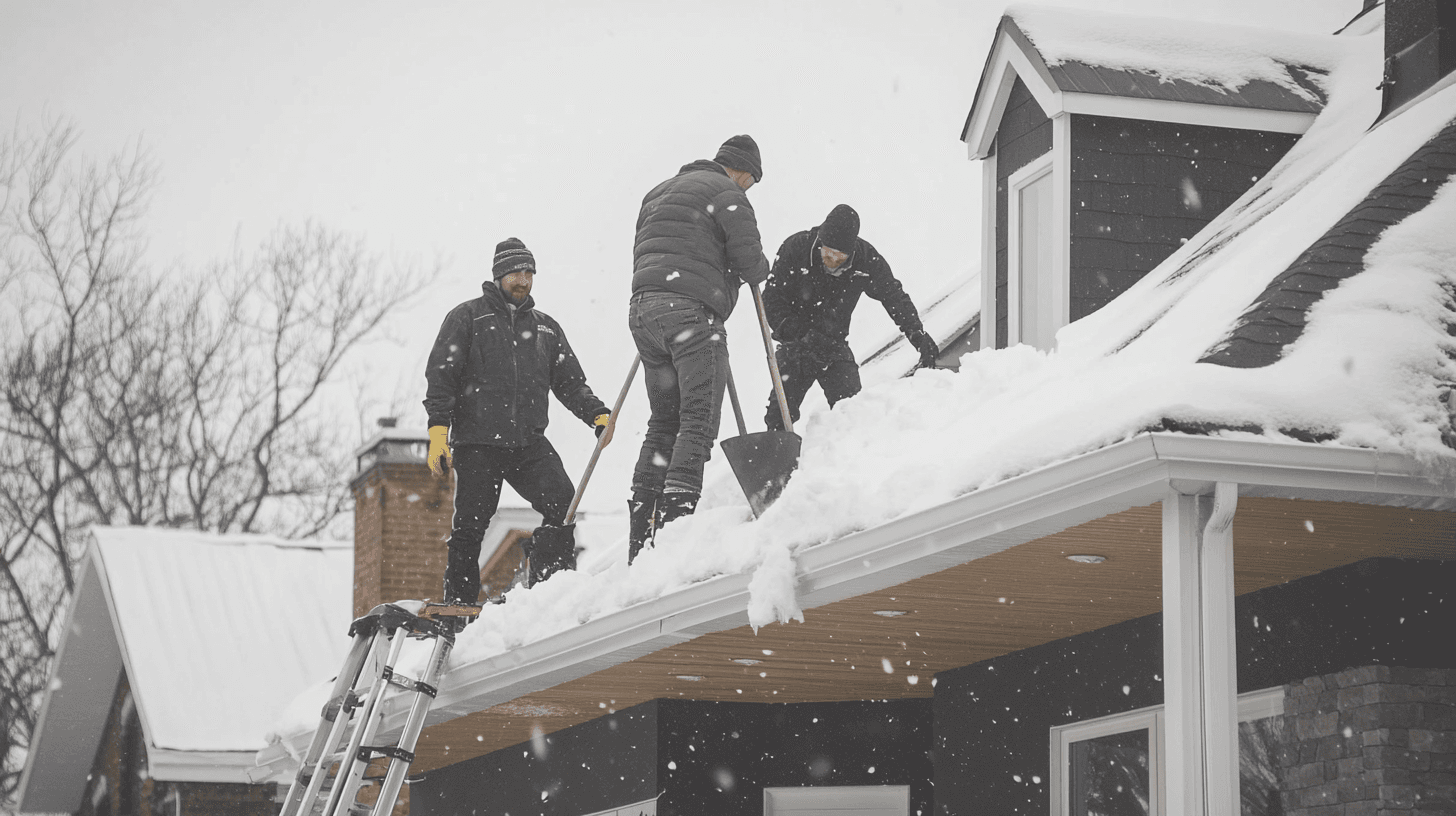


Learn how to repair a hole in vinyl siding with this step-by-step homeowner guide from Brian LeBlanc Roofing. These simple DIY methods not only help fix small or large holes but also give you peace of mind and a sense of brain balance, knowing your home exterior is well-protected.
Vinyl siding is popular because it is durable, affordable, and easy to maintain. However, even strong vinyl siding can get damaged over time. Lawn mower stones, hail, strong winds, or accidental impact can leave a hole in your siding. While the damage may look small, ignoring it can lead to moisture problems and costly repairs later. Brian LeBlanc Roofing shares this guide to help homeowners repair a hole in vinyl siding step by step, making the process easy and reliable.
Why Repairing a Hole in Vinyl Siding Is Important
A hole in vinyl siding allows water, moisture, and air to pass behind the panels. This can damage the wall structure, cause mold growth, and reduce your home’s insulation. Over time, small holes can turn into larger cracks. Repairing the hole early protects your home and helps maintain its exterior appearance.
Common Causes of Holes in Vinyl Siding
Vinyl siding holes are commonly caused by hailstorms, flying debris, lawn equipment accidents, extreme heat, or impact from outdoor furniture and toys. Older siding can also become brittle and crack more easily. Knowing the cause helps prevent similar damage in the future.
Tools and Materials Needed for Vinyl Siding Repair
Before starting the repair, gather the necessary tools and materials. You will need a vinyl siding patch or replacement piece, exterior-grade caulk or siding adhesive, a utility knife or tin snips, a putty knife, a clean cloth, and vinyl-safe exterior paint if color matching is needed. For larger repairs, a siding removal zip tool is recommended.
Step-by-Step Guide: How to Repair a Hole in Vinyl Siding
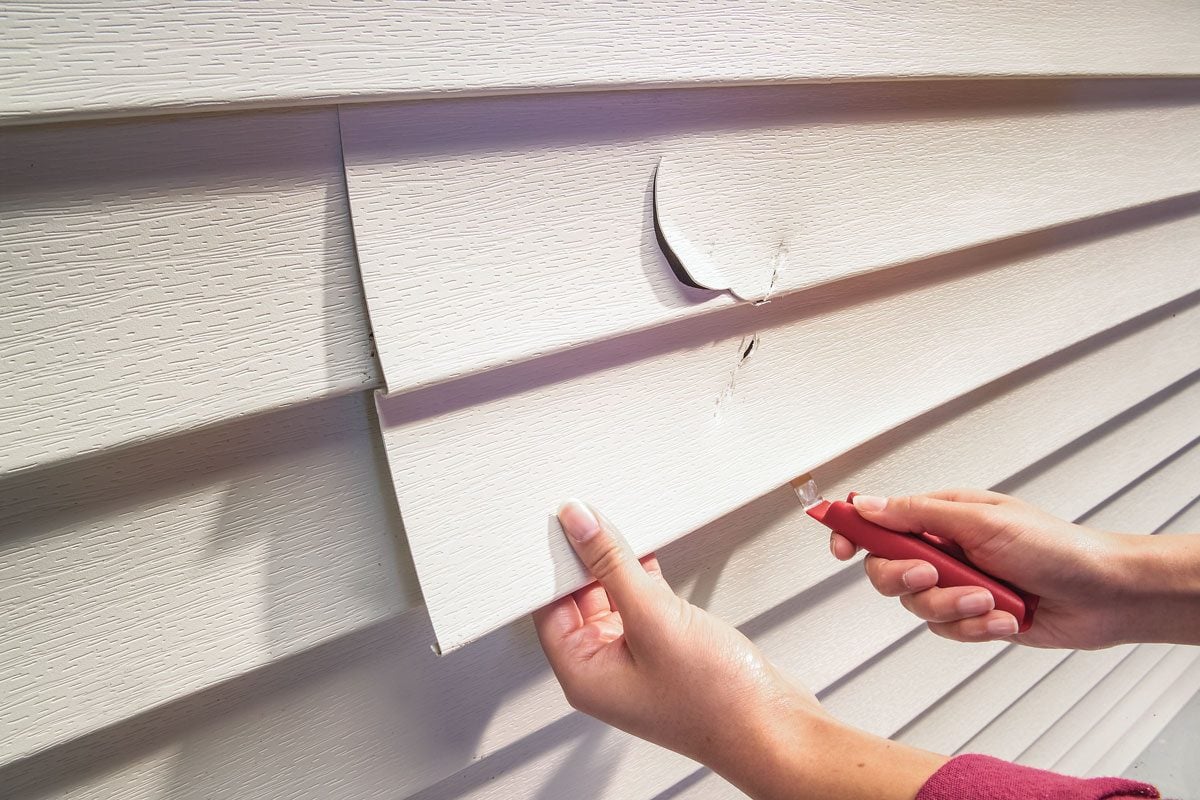
Step 1: Clean the Damaged Area
Clean the area around the hole using a dry cloth. Remove dirt, dust, and moisture so the adhesive can bond properly. Ensure the surface is completely dry before moving forward.
Step 2: Measure and Assess the Damage
Check the size of the hole. Small holes can be patched, while larger holes may require partial panel replacement. Accurate assessment ensures a stronger and longer-lasting repair.
Step 3: Cut a Vinyl Patch for Small Holes
Cut a patch slightly larger than the hole so it fully covers the damaged area. Trim the edges neatly so the patch blends with the surrounding siding.
Step 4: Apply Exterior Adhesive or Caulk
Apply exterior-grade adhesive or caulk evenly to the back of the patch. Focus on the edges to prevent water from entering behind the siding.
Step 5: Secure the Patch
Press the patch firmly over the hole and hold it for a few seconds. Remove excess adhesive and allow the patch to dry according to the manufacturer’s instructions.
Step 6: Replace the Panel for Larger Holes
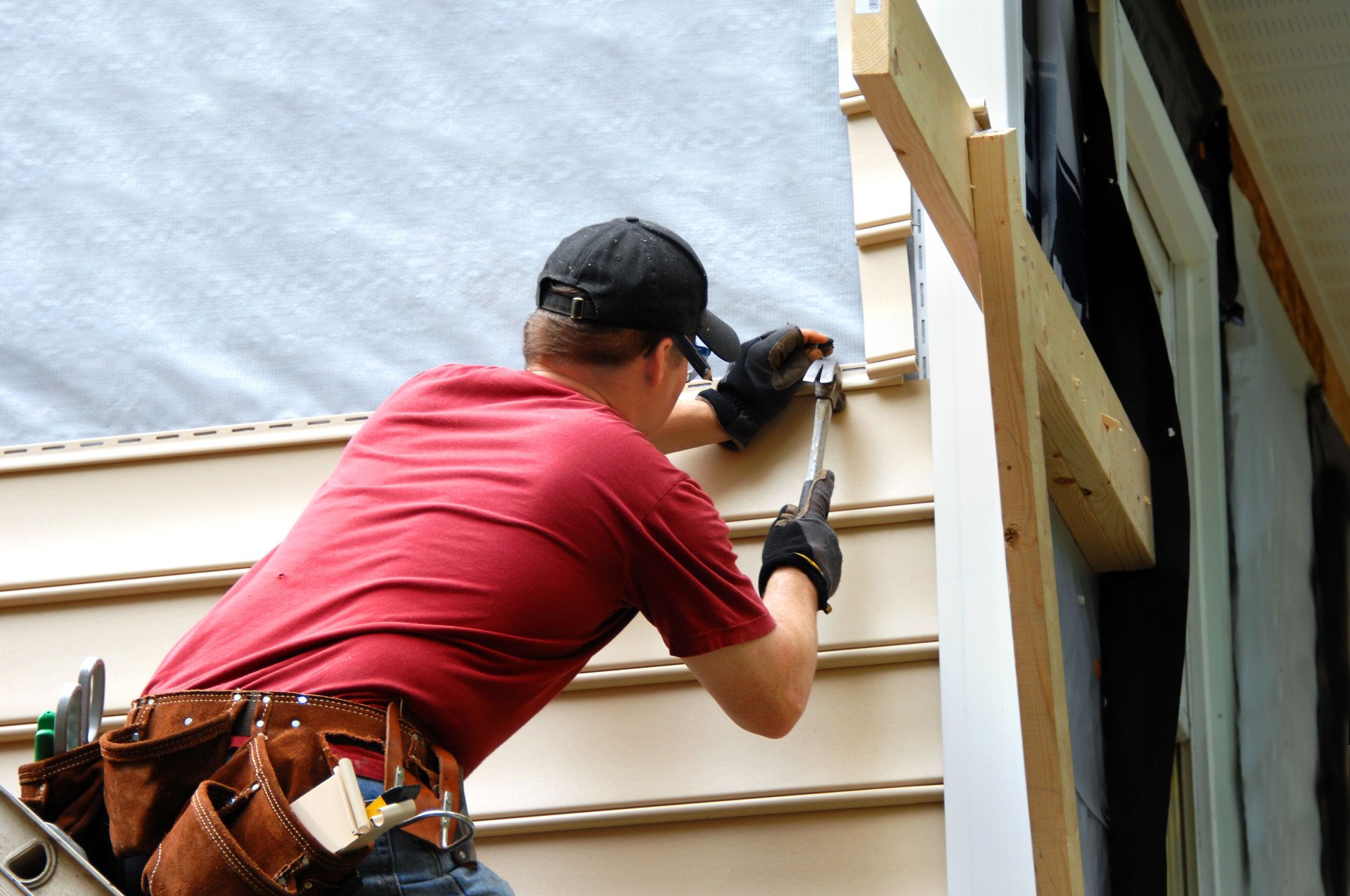
For large holes, unlock the panel above using a zip tool. Remove the nails carefully, cut out the damaged section, and slide in a replacement piece. Nail it loosely to allow for expansion and contraction.
Step 7: Blend the Repair with Paint
If the repaired area does not match the siding color perfectly, use vinyl-safe exterior paint to blend it in. This helps make the repair less visible.
Tips for a Long-Lasting Vinyl Siding Repair
Always use materials designed for vinyl siding repairs. Avoid over-sealing or nailing too tightly, as vinyl siding needs flexibility. Inspect your siding regularly, especially after storms, to catch damage early.
When to Call a Professional for Vinyl Siding Repair
If the damage is extensive, affects multiple panels, or you notice moisture inside your walls, it is best to contact a professional siding repair service. Professionals ensure the repair is safe, durable, and weather-resistant.
How Long Does Vinyl Siding Repair Take and What Does It Typically Cost?
Learn how to repair a Hole in Vinyl Siding in this blog, and What Does It Typically Cost in this table.
Repair Type | Estimated Time | Typical Cost Factors | Notes / CTA |
Minor Repairs | A few hours | Small holes, dents, or cracks | Quick fix: schedule a free inspection |
Moderate Repairs | 1 day | Multiple panels, larger holes | May require temporary protection; get a quote |
Major Repairs | 2–4 days | Large-scale damage, full panel replacement | Schedule a free estimate for extensive repairs |
Repair Type | Estimated Time | Typical Cost Factors | Notes / CTA |
Minor Repairs | A few hours | Small holes, dents, or cracks | Quick fix: schedule a free inspection |
Moderate Repairs | 1 day | Multiple panels, larger holes | May require temporary protection; get a quote |
Major Repairs | 2–4 days | Large-scale damage, full panel replacement | Schedule a free estimate for extensive repairs |
Challenges of How to Repair a Hole in Vinyl Siding
Matching the siding color perfectly can be difficult, especially if the siding has faded over time.
Improper sealing may allow moisture to enter behind the siding and cause hidden damage.
Over-nailing or tight installation can lead to warping due to expansion and contraction.
Large or poorly cut repairs can remain visible and affect the home’s exterior appearance.
Why Homeowners & Businesses Trust Brian LeBlanc Roofing
Brian LeBlanc Roofing is a fully licensed and reputable contractor based in Leominster, MA, proudly serving homeowners and businesses across Leominster and the surrounding areas. With years of hands-on industry experience, we deliver dependable, long-lasting roofing and siding solutions, including professional cement siding repairs.
- Licensed, insured, and experienced with hundreds of roofs and siding projects in Leominster, MA
- Experts in durable, weather-resistant roofing and siding built for New England’s storms, snow, and seasonal weather
- Complete services: roof repair, roof replacement, vinyl siding repair, inspections, and maintenance
- Serving homes, offices, warehouses, and commercial properties throughout Leominster and nearby areas
- Honest, transparent, and customer-first service approach
Solutions designed to withstand New England heat, snow, wind, and seasonal storms
Conclusion
Learning how to repair a hole in vinyl siding helps homeowners save money and avoid bigger problems. With the right tools and proper steps, small repairs can be handled easily. Regular maintenance and timely repairs will keep your vinyl siding looking great and protect your home for years to come.
Contact us today to schedule your inspection or get a free quote
For more information, visit our GMB.
FAQs:
Can small holes in vinyl siding be repaired without replacing the panel?
Yes, small holes can be repaired using vinyl patches and exterior-grade adhesive without replacing the entire panel.
What is the best adhesive for vinyl siding repair?
Exterior-grade vinyl siding adhesive or caulk works best because it is weather-resistant and flexible.
Is it okay to use regular paint on vinyl siding repairs?
No, you should always use vinyl-safe exterior paint to prevent peeling or cracking.
How long does a vinyl siding patch repair last?
A properly installed patch can last many years if sealed correctly and exposed to normal weather conditions.
Can water damage occur from a small hole in vinyl siding?
Yes, even small holes can allow water behind the siding, leading to mold and structural damage.
Do I need a zip tool to repair vinyl siding?
A zip tool is not needed for small patches, but it is necessary for panel replacement or large repairs.
Can vinyl siding expand and contract after repair?
Yes, vinyl siding naturally expands and contracts, which is why nails should not be driven too tightly.
Is vinyl siding repair a DIY-friendly job?
Minor repairs are DIY-friendly, but extensive damage should be handled by professionals.
How can I match the siding color after repair?
You can use color-matched vinyl paint or take a siding sample to a paint store for matching.
When should vinyl siding be replaced instead of repaired?
If multiple panels are damaged or moisture has spread behind the siding, replacement is a better option.