

Aluminum siding is a long-lasting and lightweight exterior material commonly found on homes built between the 1940s and 1970s. While it performs well against wind, rain, and temperature changes, it is not immune to dents, punctures, scratches, or corrosion. Over time, homeowners may notice damage caused by storms, falling debris, or everyday impacts.
This guide explains how to repair aluminum siding in a safe, practical, and DIY-friendly way. It covers common damage types, repair methods, tools, safety tips, and long-term maintenance practices to help preserve both function and appearance.
Brian M. LeBlanc Roofing provides helpful guidance for homeowners to keep their siding in top condition. For more tips and advice on aluminum siding maintenance, you can check this site.
Understanding Aluminum Siding Construction
Before making repairs, it helps to understand how to repair aluminum siding and how it is installed.
- Panels overlap horizontally to shed water
- Nails are loosely fastened to allow expansion and contraction
- The bottom edge locks into the panel below
- Trim pieces cover corners, windows, and doors
Because aluminum expands with temperature changes, repairs should allow slight movement to avoid buckling.
Why Repairing Aluminum Siding Is Important?
Aluminum siding protects the home’s exterior envelope. When damaged, it can compromise that protection and lead to secondary issues such as:
- Moisture intrusion behind the siding
- Mold or mildew growth on the wall sheathing
- Corrosion is spreading across panels
- Reduced energy efficiency
- Visible exterior deterioration
Prompt repairs help maintain structural integrity and prevent small defects from becoming larger problems.
Common Types of Aluminum Siding Damage
Holes and Punctures
Holes are often caused by removed fixtures, satellite dishes, or accidental impacts. Even small punctures can allow water to reach the wall system.
Dents and Warping
Hail, falling branches, and lawn equipment commonly dent aluminum siding. In severe cases, panels may also warp or lose alignment.
Scratches and Paint Failure
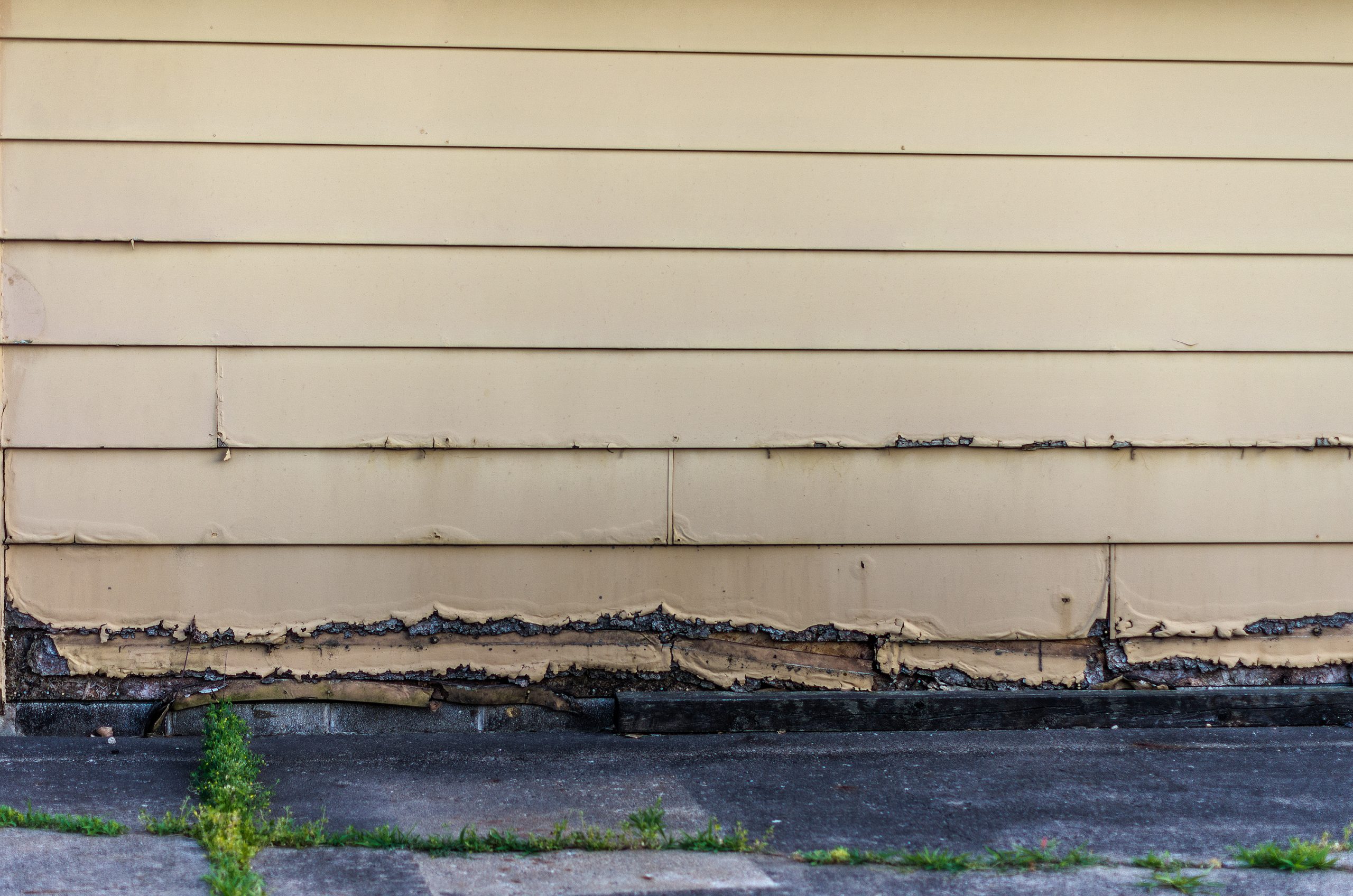
Scratches remove protective paint layers, exposing aluminum to oxygen and moisture. This leads to oxidation and surface corrosion.
Loose or Rattling Panels
Nails can loosen over time, causing panels to shift, rattle in the wind, or disengage from locking edges.
Tools and Materials Commonly Used
While specific repairs vary, most aluminum siding repairs require basic tools:
- Hammer or rubber mallet
- Tin snips
- Drill and small drill bits
- Screws and washers
- Putty knife
- Auto-body filler
- Sandpaper (medium and fine grit)
- Exterior primer and paint
- Butyl or exterior-grade caulk
Having matching paint and spare siding panels can simplify repairs.
How to Repair Holes in Aluminum Siding?
Learning how to repair aluminum siding holes is easier than it seems.
Prepare the Area
Flatten sharp, jagged edges around the hole so they face inward toward the wall. Use a hammer to gently tap the edges or tin snips/utility knife to trim them. This creates a smooth surface for the patch and prevents moisture from seeping behind the siding.
Create a Patch
Cut a piece of aluminum siding that extends at least four inches beyond the damaged area on all sides. Use leftover siding from the original installation, purchase a small replacement panel, or repurpose a panel from a less visible area. Remove any nailing flanges so the patch can slide easily under the existing siding.
Seal the Opening
Apply a bead of butyl caulk around the perimeter of the hole. Run additional caulk about three inches beyond each side of the hole to prevent leaks. Proper sealing ensures durability and protection against moisture.
Install the Patch
Slide the patch behind the siding panel above the hole and press it firmly into place. Use temporary tape to hold the patch steady while the caulk cures (usually 24 hours). Once the sealant sets, remove the tape. Touch up with paint to match the existing siding if needed.
How to Fix Dents in Aluminum Siding?
- Drill a small hole (⅛ inch) in the center of the dent.
- Insert a screw with a washer, leaving it slightly loose.
- Gently pull outward until the dent pops back into shape.
- Remove the screw, fill the hole with auto-body filler, sand smooth, and repaint.
Shallow dents often respond well to this method without requiring panel replacement.
How to Repair Scratches and Surface Corrosion?
- Sand the affected area to remove oxidation and loose paint.
- Wipe clean to remove dust and residue.
- Apply a metal-compatible primer.
- Paint with a color-matched exterior aluminum siding paint.
This process restores protection and improves appearance.
How to Tighten or Re-Seat Loose Panels?
- Check that nails are not driven too tightly
- Replace damaged nails with aluminum or galvanized fasteners
- Ensure panels can slide slightly side-to-side
- Re-lock the disengaged panel edges carefully using a siding tool
Allowing movement prevents future buckling.
Safety Tips for DIY Aluminum Siding Repairs
- Wear gloves to avoid sharp edges
- Use eye protection when drilling or cutting metal
- Work on stable ladders or scaffolding
- Avoid repairs during high winds or wet conditions
- Follow manufacturer instructions for sealants and fillers
Safety should always come before speed or convenience.
Preventing Future Damage
Regular care can significantly extend the life of aluminum siding:
- Inspect siding after storms
- Clean annually to remove dirt and pollutants
- Touch up paint when scratches appear
- Trim nearby tree branches
- Keep spare panels for future repairs
Preventive maintenance reduces the need for major repairs.
Can Aluminum Siding Be Repaired or Must It Be Replaced?
Aluminum siding can sometimes be repaired, but the solution depends on the type and severity of damage. In many cases, replacement is the most practical long-term option.
When aluminum siding can be repaired:
- Minor surface scratches or light scuffs can be cleaned, primed, and repainted
- Small dents in less visible areas may be partially reshaped by professionals
- Loose or rattling panels can be refastened to reduce noise and movement
When replacement is recommended:
- Deep dents caused by hail, impact, or falling debris
- Creased, bent, or warped panels that cannot return to shape
- Oxidation or corrosion that has spread beneath the surface
- Faded or discontinued panels that cannot be color-matched
Key takeaway:
- Repairs are usually cosmetic and limited in effectiveness
- Replacement restores appearance, strength, and weather protection
- A professional inspection helps determine the most cost-effective solution
Challenges of Aluminum Siding
1. Dent-Prone Material
Aluminum siding is lightweight, which makes installation easier but also increases its vulnerability to dents. Hailstorms, falling branches, lawn equipment, or even a child’s ball can leave visible impressions. Unlike vinyl, dents in aluminum often cannot be “popped back” and usually require panel replacement to restore appearance.
Impact on homeowners:
- Reduced curb appeal
- Higher repair frequency in storm-prone areas
- Panel replacement instead of spot fixes
2. Oxidation & Chalky Residue
Over time, aluminum reacts with oxygen and moisture, leading to oxidation. This appears as a white, powdery residue (chalking) on the surface. While oxidation doesn’t compromise structural integrity, it dulls the finish and stains nearby surfaces like brick, concrete, or landscaping.
What to know:
- Requires periodic cleaning or repainting
- More common in humid or coastal environments
- Can reduce resale appeal if not maintained
3. Noise During High Winds
Aluminum siding expands and contracts with temperature changes. If panels are loosely fastened or older fasteners have worn out, they may rattle, vibrate, or clang during strong winds.
Common causes:
- Improper installation
- Thermal expansion and contraction
- Aging fasteners or wall sheathing movement
This can become a persistent nuisance in windy regions.
4. Color Fading & Chalking from UV Exposure
Painted aluminum siding is susceptible to UV degradation. Prolonged sun exposure causes fading, discoloration, or chalking, especially on south- and west-facing walls.
Limitations:
- Color consistency is difficult to maintain
- Repainting may be required every 8–12 years
- Factory finishes last longer than on-site paint but still fade over time
5. Limited Insulation Value
Aluminum siding on its own provides very little thermal insulation. Without a high-quality insulated backing, homes may experience increased heat loss in winter and heat gain in summer.
Resulting issues:
- Higher energy bills
- Reduced indoor comfort
- Additional cost for insulation upgrades
6. Susceptibility to Corrosion in Coastal Areas
In coastal or high-salt environments, aluminum siding can corrode faster due to salt-laden air. This corrosion accelerates oxidation and can lead to pitting or surface degradation.
Best practices:
- Not ideal for beachfront properties
- Requires frequent washing and maintenance
- Protective coatings help but don’t eliminate risk
7. Higher Repair Costs
Although aluminum siding can last for decades, repair costs can be higher when damage occurs. Dented or bent panels typically cannot be reshaped, which means full panel replacement is often required rather than simple spot repairs. This increases both material and labor expenses.
Matching existing siding can also be challenging, especially for older installations where colors, finishes, or panel profiles may no longer be manufactured. Even slight mismatches can be noticeable and affect the overall appearance of the home.
Common repair challenges include:
- Difficulty matching original color, finish, or panel style
- Full panel replacement instead of minor surface repair
- Increased labor due to careful removal and reinstallation
- Potential need to update surrounding panels for visual consistency
These factors make professional assessment essential to ensure repairs maintain both durability and curb appeal.
8. Environmental & Recycling Considerations
While aluminum is recyclable, older siding may contain lead-based paint, making removal and disposal more complex and regulated.
Important considerations:
- Professional testing may be required
- Disposal costs may increase
- Renovation safety compliance is necessary
Why Homeowners & Businesses Trust Brian M. LeBlanc Roofing?
Brian M. LeBlanc Roofing is a fully licensed and reputable contractor based in Leominster, MA, proudly serving homeowners and businesses across Leominster and the surrounding areas. With years of hands-on industry experience, we deliver dependable, long-lasting roofing and siding solutions, including professional cement siding repairs.
- Licensed, insured, and experienced with hundreds of roofs and siding projects in Leominster, MA
- Experts in durable, weather-resistant roofing and siding built for New England’s storms, snow, and seasonal weather
- Complete services: roof repair, roof replacement, vinyl siding repair, inspections, and maintenance
- Serving homes, offices, warehouses, and commercial properties throughout Leominster and nearby areas
- Honest, transparent, and customer-first service approach
Solutions designed to withstand New England heat, snow, wind, and seasonal storms
Conclusion
Aluminum siding is a durable exterior material that can last for decades with proper care. Knowing how to repair aluminum siding helps homeowners address minor issues such as dents, holes, and surface scratches using basic DIY techniques. Understanding how aluminum siding behaves also prevents improper repairs and future damage. Regular inspection and timely maintenance ensure long-term performance and visual appeal.
For more details, check our GMB Profile. It provides additional tips, photos, and helpful resources to guide homeowners through keeping their homes in top condition.
Contact us today to schedule your inspection or get a free quote
FAQs
Can aluminum siding be repaired instead of replaced?
Yes, many common issues can be repaired without replacing full panels. Small dents, holes, and scratches are often fixable with basic tools.
How long does aluminum siding typically last?
Aluminum siding can last 40–50 years when properly maintained. Routine cleaning and repainting help extend its lifespan.
Does aluminum siding rust over time?
Aluminum does not rust like steel, but it can still oxidize. Oxidation appears as chalky residue or surface discoloration.
Can dents in aluminum siding be removed?
Small or shallow dents can often be pulled out successfully. Deeper dents may require filling or panel patching.
Is aluminum siding waterproof?
Aluminum siding sheds water but is not completely waterproof. Proper overlap and sealing prevent moisture intrusion.
Can aluminum siding be painted after repair?
Yes, aluminum siding can be repainted after it has been cleaned and primed. Using the correct primer improves paint adhesion and durability.
What causes holes in aluminum siding?
Holes usually result from removed fixtures or accidental impacts. Even small holes should be sealed promptly to prevent leaks.
How often should aluminum siding be inspected?
It should be inspected at least once per year. Additional checks after severe weather are recommended.
Is aluminum siding energy efficient?
Aluminum siding itself offers little insulation. Energy efficiency depends on the insulation installed beneath it.
Can loose aluminum siding panels be fixed?
Yes, loose panels can often be rescued or re-seated. Fasteners should allow movement for temperature expansion.