
Learn why roof inspection after snowstorm Lancaster is essential. Discover snow and ice damage signs, inspection tips, and when to call professional roofing experts.
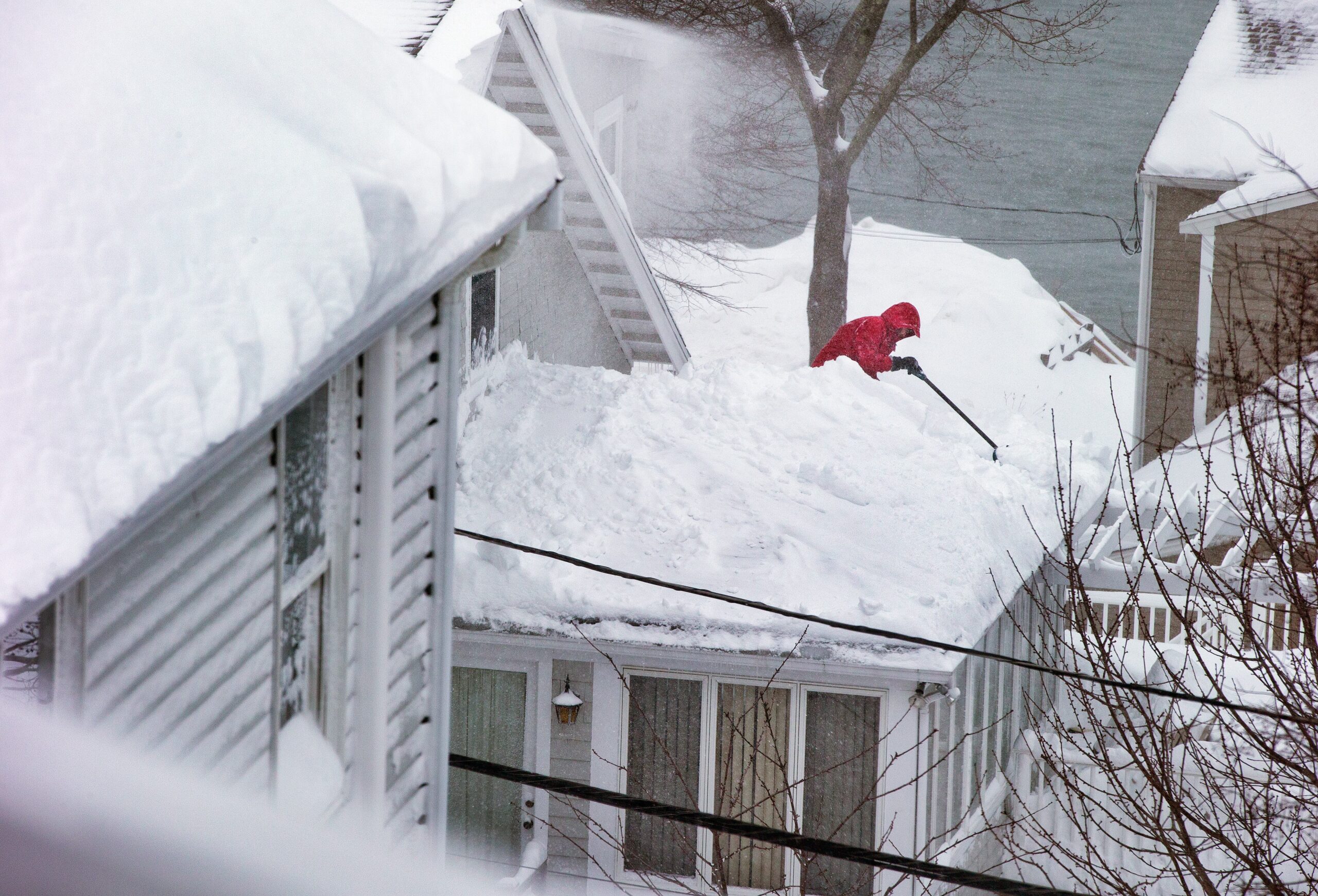
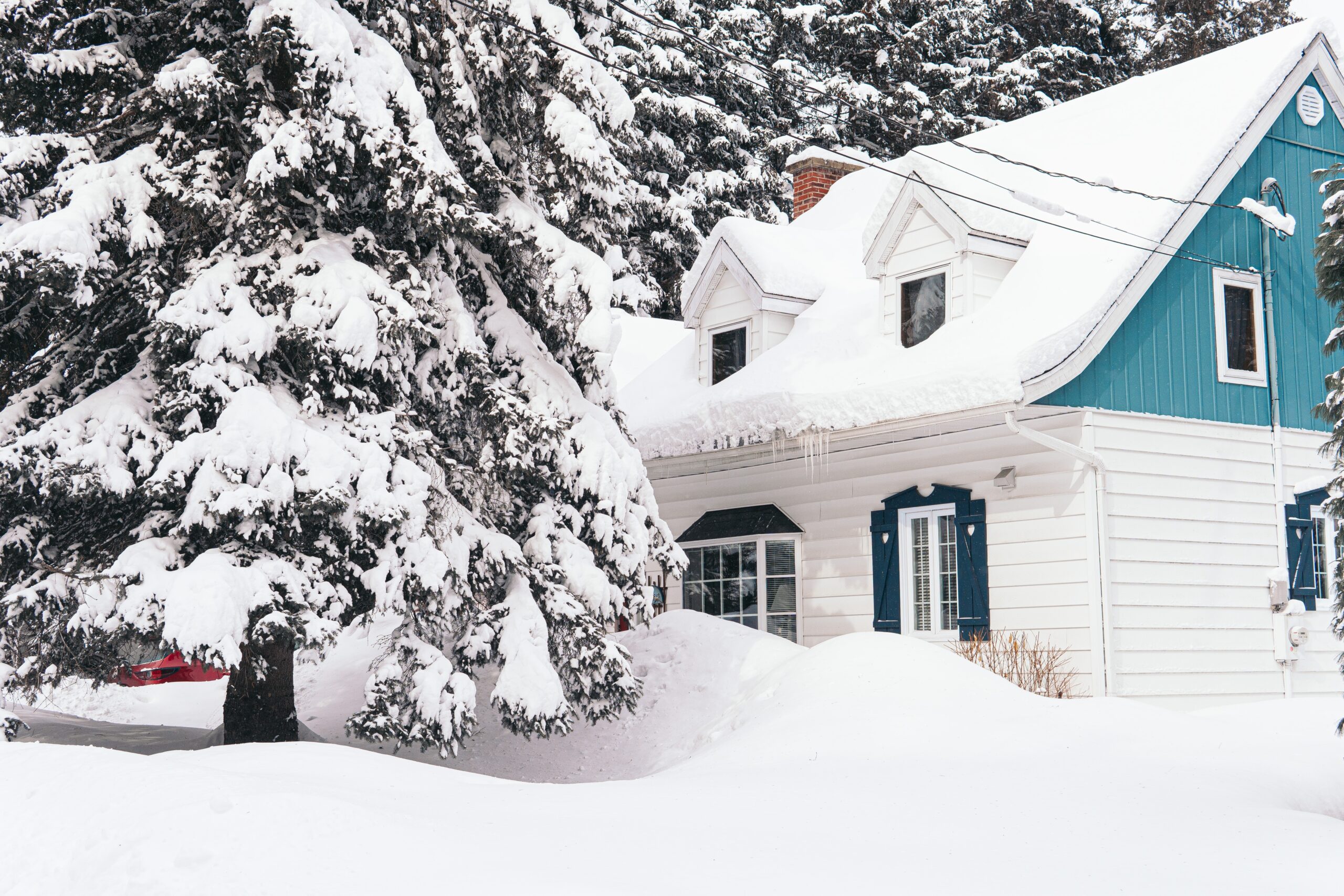
Winter storms can transform Lancaster into a beautiful snowy landscape, but they can also place serious stress on your roof. Heavy snowfall, freezing temperatures, and ice accumulation create conditions that can damage shingles, gutters, flashing, and even the structure of your roof.
Many homeowners assume their roof can handle snow without problems. However, winter weather often causes hidden damage that becomes visible only weeks later when snow begins to melt.
That is why scheduling a roof inspection after Lancaster snowstorm events is one of the most important steps homeowners can take to protect their property. Early inspections help identify problems such as leaks, ice dams, and structural stress before they become costly repairs.
This guide explains the most common warning signs of winter roof damage, how to perform a safe inspection from the ground, and when to contact a professional roofing contractor.
Brian M. LeBlanc Roofing provides trusted roofing services for homeowners across Lancaster and surrounding Massachusetts communities. Our team offers professional inspections, repairs, and roof replacement solutions to keep your home protected in every season.
Quick Answer – Top Signs of Snowstorm Roof Damage
If your home recently experienced a heavy snowstorm, it is important to look for warning signs of roof damage as soon as conditions are safe.
The top signs of cold-weather roof damage after winter storms are ceiling stains, ice dams along eaves, missing or lifted shingles, loose or bent gutters, rusted or gapped flashing, excessive granules in gutters, attic frost or damp insulation, sagging ridgelines, hail dents on metal, and ponding water on flat roofs. Schedule a post-storm roof inspection if any appear.
These are the most common issues discovered during a roof inspection after snowstorm Lancaster properties experience.
Ceiling Stains or Interior Moisture
Water stains on ceilings or upper walls are one of the clearest signs that snow or ice has penetrated the roofing system. Melted snow can seep under shingles and travel through insulation before appearing inside the home.
Active leaks or water stains indoors are a clear sign of roof damage after a snowstorm. Brown stains on ceilings or dripping water are red flags that water has invaded your home. The snow can melt slowly, so you may not notice these signs right away. If you notice moisture days after a storm, your roof may already be compromised. Emergency roof repair is critical at this stage to prevent water intrusion from spreading to framing or insulation.
Ice Dams Along Roof Edges
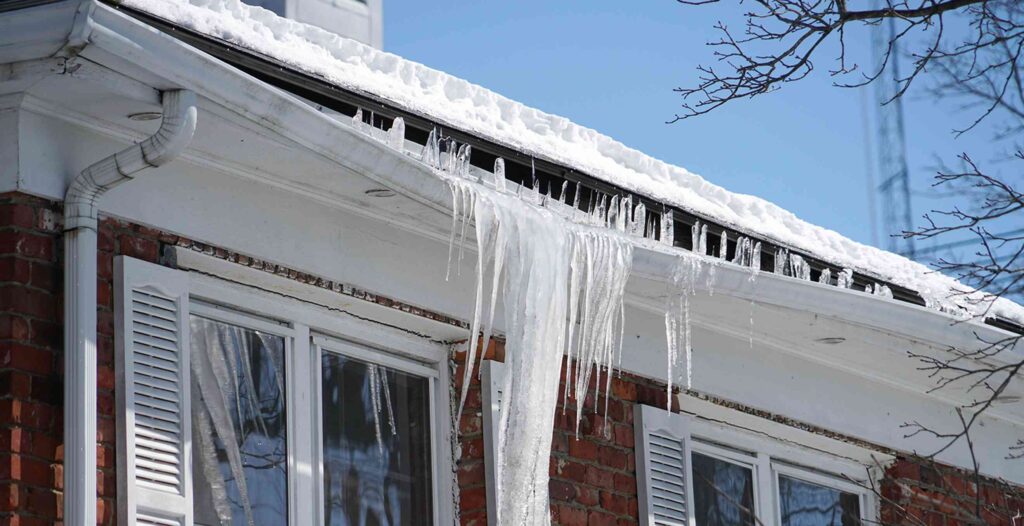
Ice dams form when melting snow refreezes near the roof’s edge. These ice ridges trap water behind them and force it underneath shingles, leading to leaks and roof deck damage.
Missing or Lifted Shingles
Strong winds combined with heavy snow can loosen shingles. After storms, homeowners may notice shingles missing from the roof or lying on the ground.
Bent or Detached Gutters
Ice buildup can pull gutters away from the roofline. This not only damages the drainage system but also increases the risk of water backing up into the roof.
Sagging Roofline
A sagging roof is a serious structural warning sign. Heavy snow can place thousands of pounds of pressure on the roof structure.
Common structural warning signs include sagging ceilings or interior cracks, creaking or popping sounds, visible sagging along the roofline, ice dams forming along eaves, gutters bending or pulling away, uneven melting patterns, and doors suddenly sticking or refusing to close properly.
Immediate Steps After Spotting Snow Damage
Discovering potential roof damage after a snowstorm can be stressful. However, taking the right steps quickly can prevent further damage.
Prioritize Safety and Inspect from the Ground
Homeowners should never climb onto a snow-covered or icy roof. Instead, they should walk around the property and observe the roof from the ground.
Inside the attic or loft area, look for water stains, drips, or moisture on the underside of the roof structure. You should also check for sunlight peeking through small holes and observe any sagging in the roof structure.
Document the Damage
If visible damage is noticed, it is essential to document everything. Clear photos and videos should be taken from multiple angles. Documentation becomes extremely valuable if an insurance claim needs to be filed.
Schedule a Professional Inspection
Even if damage appears minor, it is wise to arrange a roof inspection after snowstorm Lancaster residents experience. Roofing professionals are trained to detect hidden issues that homeowners may overlook.
Understanding Winter Roof Damage
Snow and ice affect roofs in several ways. Understanding these mechanisms helps homeowners recognize early warning signs.
The Weight of Snow
Snow may appear light, but it becomes extremely heavy when compacted or wet. A cubic foot of wet snow can weigh more than twenty pounds. When multiple storms occur within a short period, thousands of pounds of additional weight can accumulate on the roof.
This excessive weight can stress rafters, trusses, and roof decking. If these warning signs appear, a professional roof inspection after snowstorm Lancaster conditions is essential.
Ice Dams
Ice dams are among the most common causes of winter roof damage. They form when heat escaping from the attic melts snow on the upper sections of the roof.
Freeze-Thaw Cycles
During the winter months, temperatures often fluctuate above and below freezing. These cycles cause water to repeatedly freeze and expand, which can crack shingles and weaken flashing.
Hail and Wind Damage
If the area you live in was recently affected by a hail storm or wind storm, there is a good chance your roof and possibly your siding were damaged. Unfortunately, it is very difficult for an untrained eye to spot the damage unless it is very severe. Often, hail pounding on a shingled roof will cause the granules to be removed, exposing the roof to further damage. If hailstones are large, they can cause bruising that makes shingles soft in those areas and significantly shortens the lifespan of the roof.
Winter Roof Inspection Checklist
A proper winter inspection focuses on both exterior and interior areas of the roofing system.
Exterior Roof Check
During a ground-level inspection, homeowners should carefully examine the roof surface for missing shingles, cracked materials, or uneven areas. These issues are frequently discovered during a roof inspection after snowstorm Lancaster homes undergo following severe winter weather.
Flashing and Seal Inspection
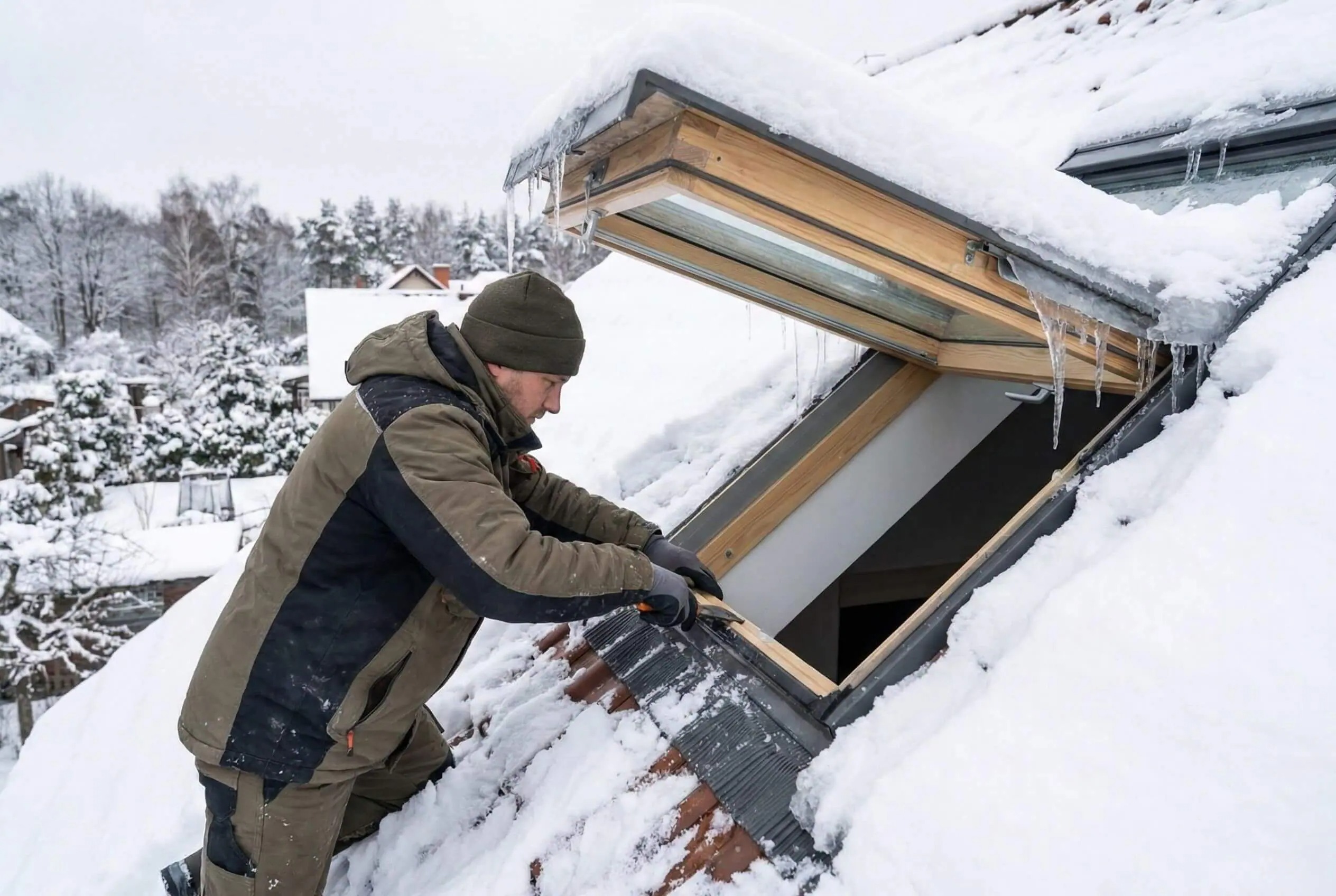
Flashing protects vulnerable areas around chimneys, skylights, and vents. If flashing becomes loose or damaged, water can penetrate the roof system.
Gutters and Downspouts
Clean gutters help prevent ice damming, leaks, and gutter damage that can result from winter weather. Debris in gutters obstructs the proper drainage of rain, hail, and snow. As a result, ice dams can form, creating dangerous icicles and damaging shingles and gutters.
Gutter cleaning can be a DIY project if it is safe to access gutters from a ladder, but cleaning from the roof itself can cause shingle damage. If there is any risk of personal injury or roof damage, professional help should be considered.
Roof Damage After Snow Storm – Common Problems
Winter roof damage is not always obvious immediately after a storm. In many cases, problems appear gradually as the snow begins to melt.
Slow Roof Leaks
Leaks may take several days to appear. Water slowly moves through insulation and roofing layers before becoming visible inside the home.
Shingle Cracking
Cold temperatures make roofing materials brittle. As snow shifts across the roof surface, shingles can crack or lift.
Granule Loss
Granule loss is another sign of roofing deterioration. When protective granules fall away, shingles become more vulnerable to weather damage.
Gutter Damage
Heavy ice can bend gutters or pull them away from the fascia board. This damages the drainage system and increases the likelihood of water backing up into the roof. If any of these issues appear, homeowners should schedule a roof inspection after Lancaster weather events create snowstorms.
When to Call a Professional Roofing Contractor
While homeowners can perform basic ground inspections, professional roofers have the expertise and equipment needed to detect hidden damage.
If severe damage occurs, emergency roof repair may be required. Contractors will respond quickly and take steps such as tarping damaged areas to prevent additional water intrusion.
A professional roofing company will always be fair and honest in its assessment of damage and pricing, basing repair costs on the actual work required rather than on the urgency of the situation. Prompt response and accurate inspections help homeowners resolve issues quickly and at a fair price.
Snow Damage Roof Repair Process
Once roof damage is identified, the repair process depends on the severity of the issue.
Minor Repairs
Minor damage may only require replacing cracked shingles, sealing flashing gaps, or repairing small leaks. These repairs are usually completed quickly and prevent further deterioration.
Structural Repairs
More serious damage may involve replacing sections of roof decking or reinforcing rafters and trusses. Structural repairs are necessary when heavy snow loads place excessive stress on the roof.
Roof Replacement
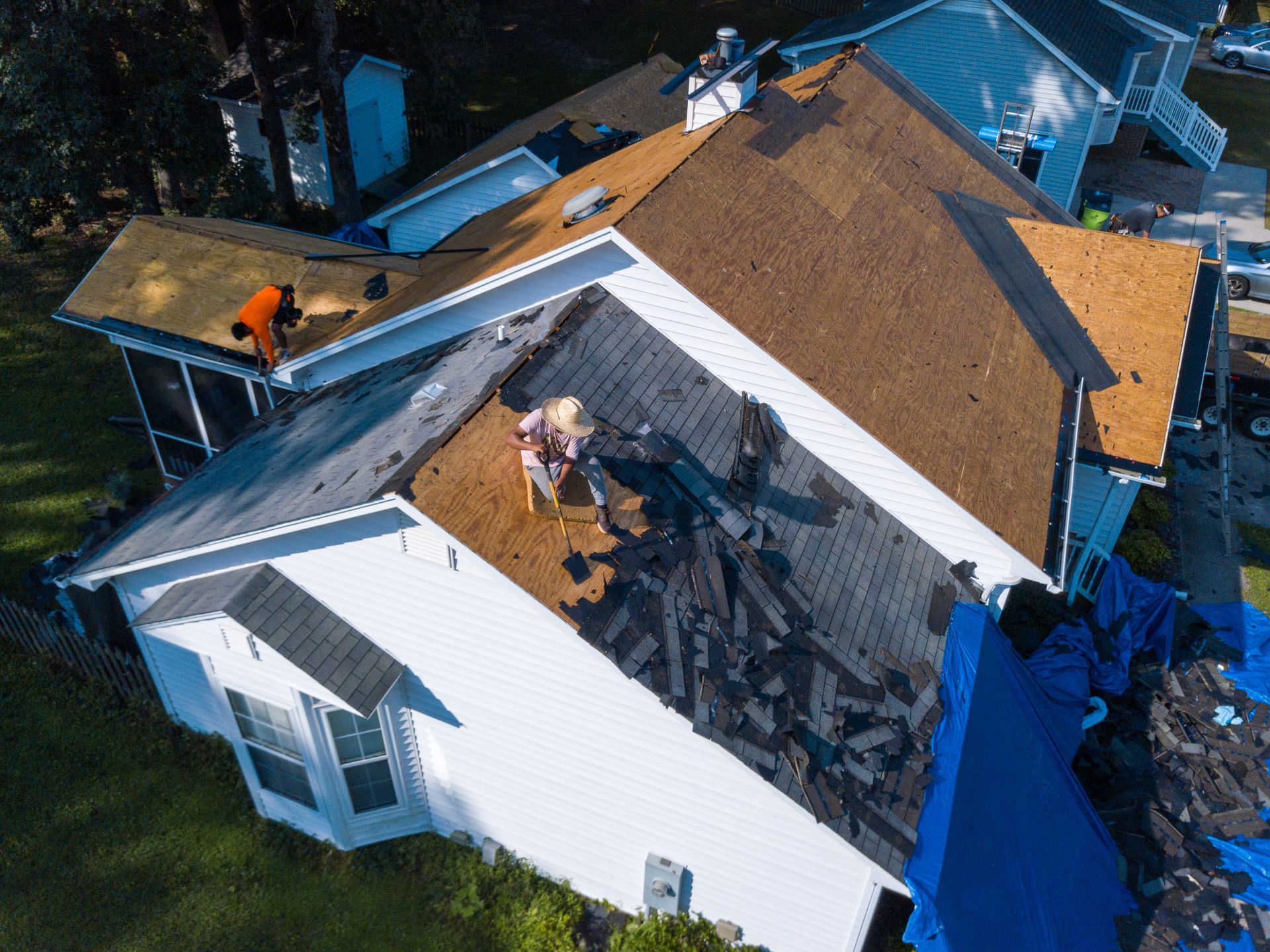
If the roof is older or has widespread damage, a full roof replacement may be the most effective long-term solution. A professional roof inspection after snowstorm Lancaster homes experience will determine whether repairs or replacement is the best option.
Preventing Future Winter Roof Damage
Preventive maintenance is one of the most effective ways to protect your roof from winter damage.
Regular Roof Maintenance
Annual roof inspections help identify potential issues before winter storms arrive. Routine maintenance includes checking shingles, repairing flashing, and ensuring gutters remain clear.
Improve Attic Insulation and Ventilation
Proper attic insulation prevents heat from escaping into the roof structure. Balanced ventilation helps maintain a consistent roof temperature and reduces the likelihood of ice dam formation.
Maintain Gutters
Keeping gutters clean ensures that melting snow drains properly away from the roof. Clogged gutters increase the chances of ice dams forming along the roof edges.
Safe Snow Removal
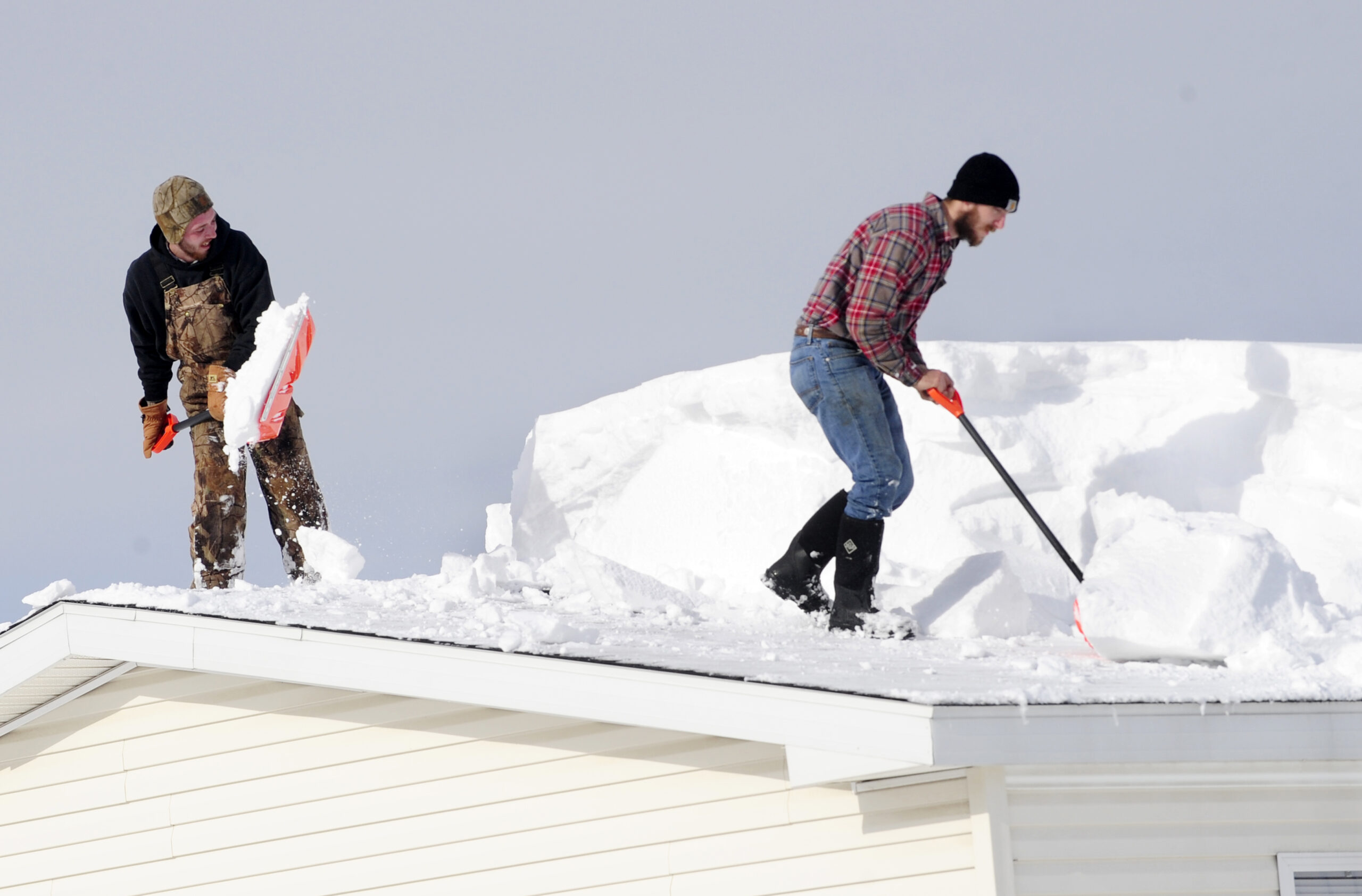
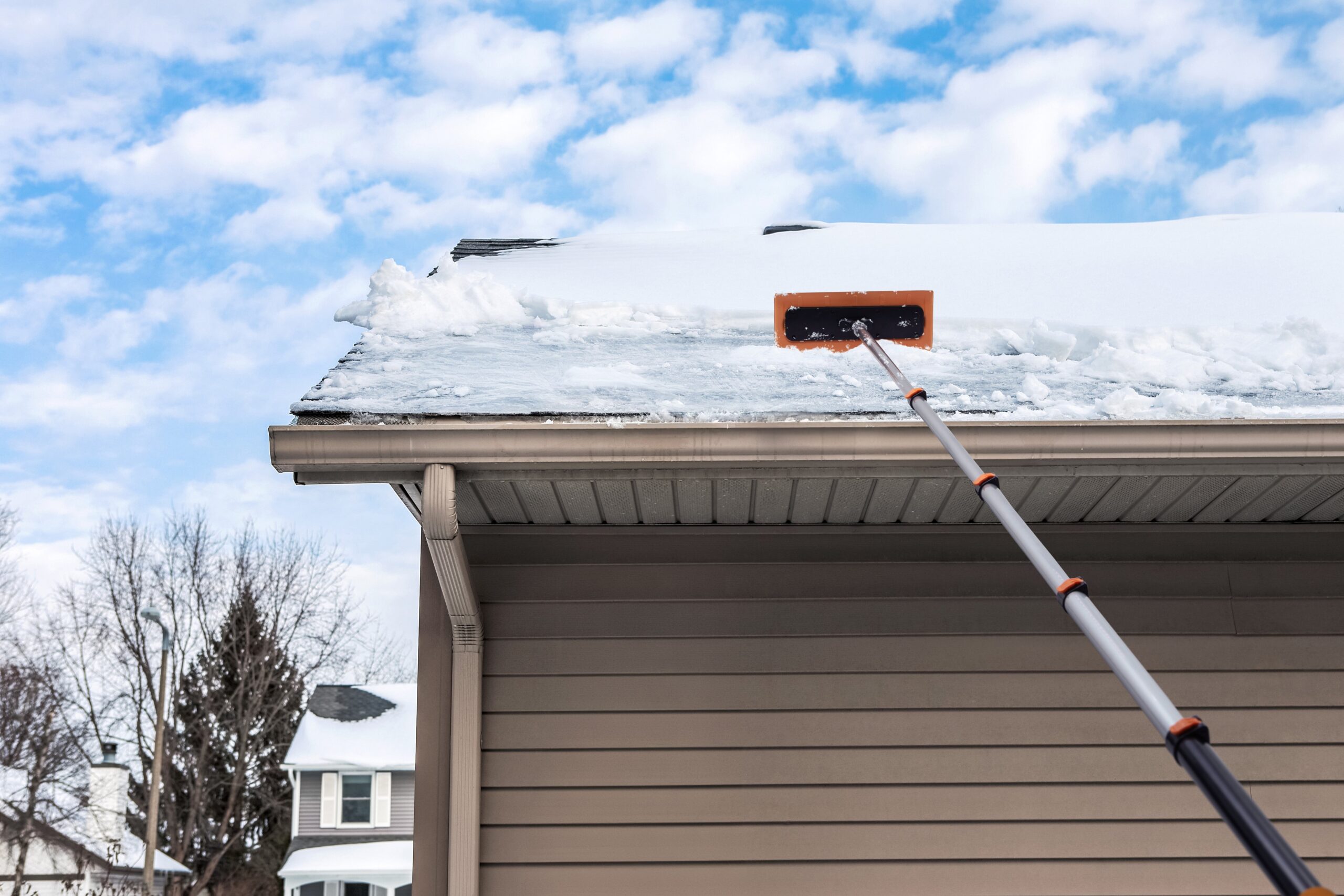
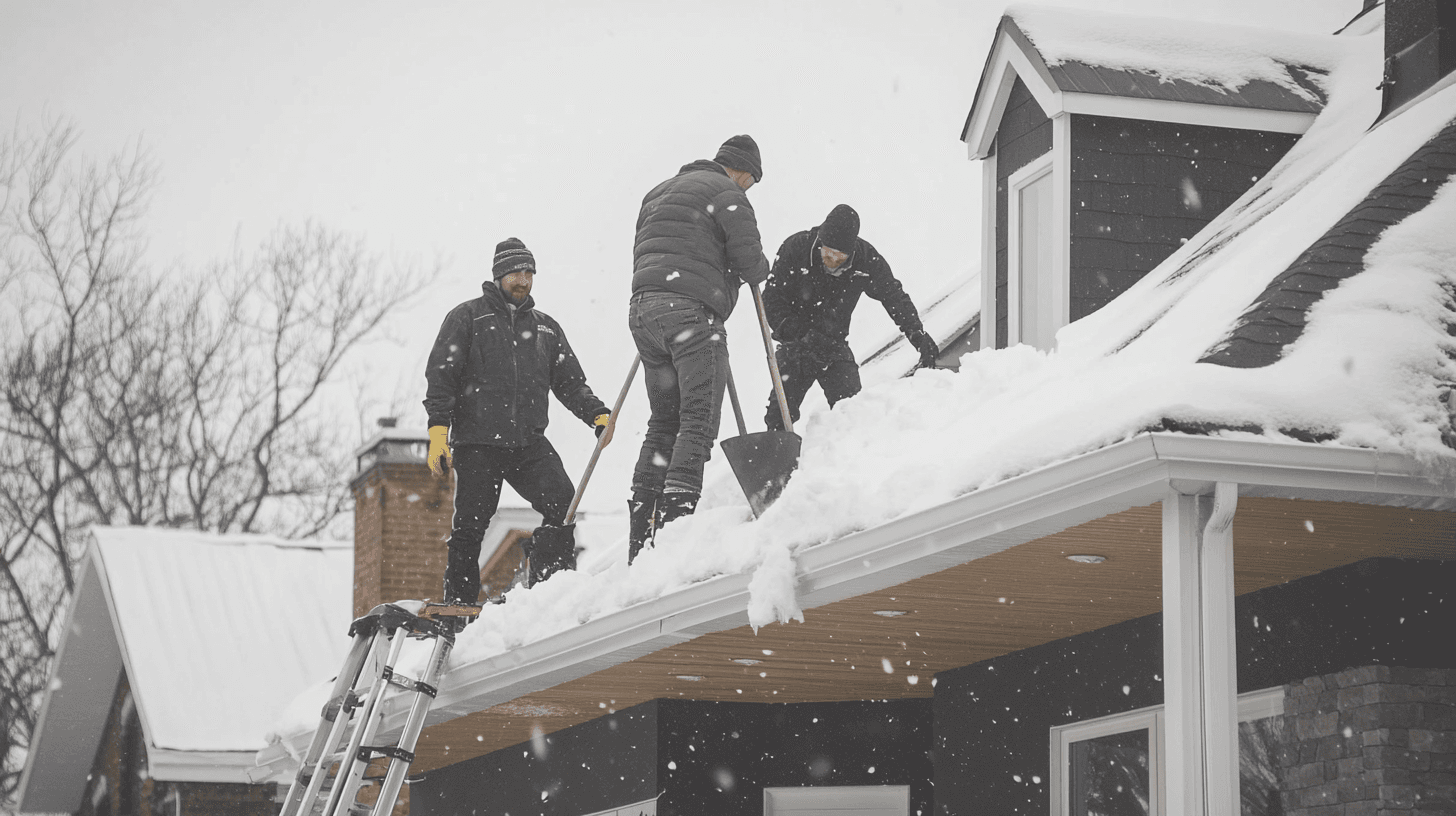
In certain situations, removing snow from the roof can reduce structural stress. However, snow removal should always be performed by professionals to avoid injuries and accidental roof damage. Scheduling a roof inspection after snowstorm Lancaster winters bring is also an effective way to maintain roof health.
Insurance and Documentation Tips
If snowstorms cause roof damage, insurance coverage may help with repair costs. Proper documentation plays an important role in the claims process.
Homeowners should photograph all visible damage as soon as possible. Recording the date of the storm and maintaining receipts for temporary repairs can strengthen an insurance claim. Professional inspection reports also help insurance adjusters verify the extent of the damage.
The Trusted Choice for Roofing & Siding in Leominster, MA
Brian M. LeBlanc Roofing is a fully licensed and well-established contractor headquartered in Leominster, MA, serving both residential and commercial property owners throughout the local community and surrounding towns. With extensive hands-on experience in the field, the company provides reliable, long-lasting roofing and siding services, including expert cement siding repair solutions designed for New England homes and businesses.
Property owners rely on their team because:
- They are licensed and insured professionals with proven experience handling hundreds of roofing and siding projects across Leominster.
- Their team specializes in strong, weather-resistant roofing and siding systems built to endure New England’s snow, heavy rain, wind, and changing seasonal conditions.
- They offer comprehensive exterior services, including roof repairs, complete roof replacements, vinyl siding repairs, inspections, and ongoing maintenance.
- They serve a wide range of properties, from single-family homes to office buildings, warehouses, and commercial facilities throughout Leominster and nearby areas.
- They maintain a straightforward, honest, and customer-focused approach, ensuring clear communication and dependable workmanship from start to finish.
Their dedication to quality, durability, and customer satisfaction makes them a dependable partner for protecting both homes and businesses.
Conclusion
Snowstorms may look beautiful, but they can place tremendous pressure on residential roofs. Heavy snow accumulation, ice dams, and freezing temperatures all contribute to winter roof damage.
Recognizing early warning signs such as leaks, missing shingles, sagging rooflines, and ice buildup allows homeowners to act before problems worsen. Conducting a safe ground-level inspection is a helpful first step, but professional assessments provide the most accurate evaluation of roof conditions.
Scheduling a roof inspection after snowstorm Lancaster is one of the most effective ways to protect your home from hidden winter damage. Early inspections allow roofing professionals to detect small problems before they become expensive repairs.
With regular maintenance, proper inspections, and timely repairs, homeowners can ensure their roofs remain strong and reliable throughout the winter season and for many years to come.
For more details, check our GMB Profile. It provides additional tips, photos, and helpful resources to guide homeowners through keeping their homes in top condition.
Contact us today to schedule your inspection or get a free quote
FAQs
1. Why is a roof inspection after a snowstorm in Lancaster important for homeowners?
A roof inspection after a snowstorm in Lancaster homes helps find leaks, ice dams, and loose shingles early. Brian M. LeBlanc Roofing checks hidden damage before it turns into costly repairs.
2. When should I schedule a roof inspection after a snowstorm in Lancaster weather?
Schedule a roof inspection after a snowstorm in Lancaster within 24–72 hours once it is safe. Early inspections help detect roof damage after snowstorm conditions, before melting snow causes leaks.
3. What signs mean I need an emergency roof inspection after snow?
Signs include ceiling stains, sagging rooflines, ice dams, or missing shingles. If you see these, request an emergency roof inspection from Brian M. LeBlanc Roofing quickly.
4. What does a winter roof inspection checklist include?
A winter roof inspection checklist checks shingles, flashing, gutters, attic moisture, and ventilation. A post-snow roof inspection also looks for ice dams and snow load damage.
5. Can snowstorms really damage a roof in Lancaster?
Yes. Heavy snow, ice dams, and freeze-thaw cycles can cause roof damage after snowstorm events. A roof inspection after a snowstorm Lin ancaster weather helps catch problems early.