
Learn the warning signs of ice dam roof damage, how winter leaks start, and ways homeowners can prevent costly repairs caused by ice buildup.
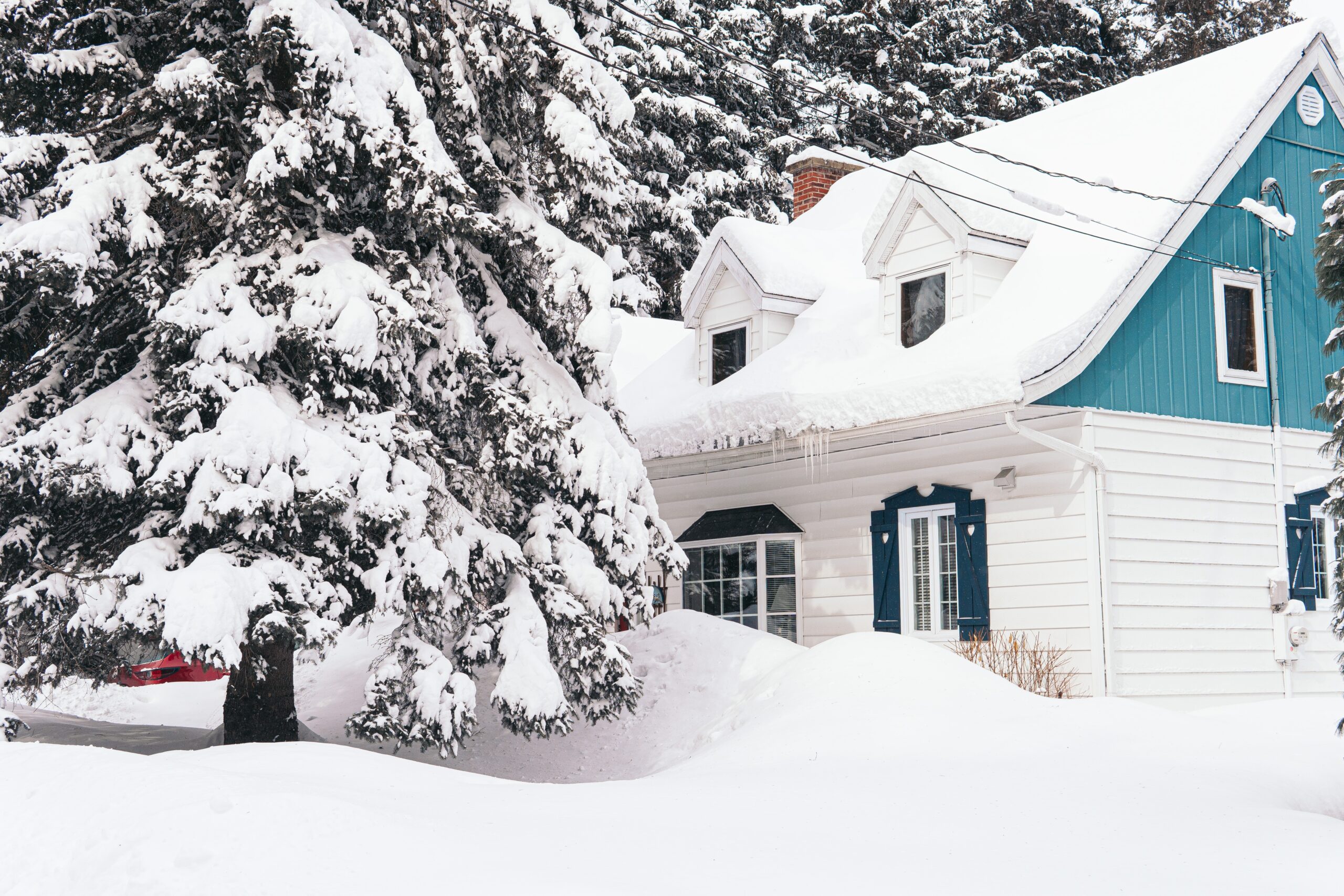
Winter weather can create beautiful snow-covered landscapes, but it can also create hidden problems for homeowners. One of the most serious issues during cold seasons is ice dam roof damage. Many homeowners first notice the problem only after water stains appear on ceilings or when leaks begin after the snow melts.
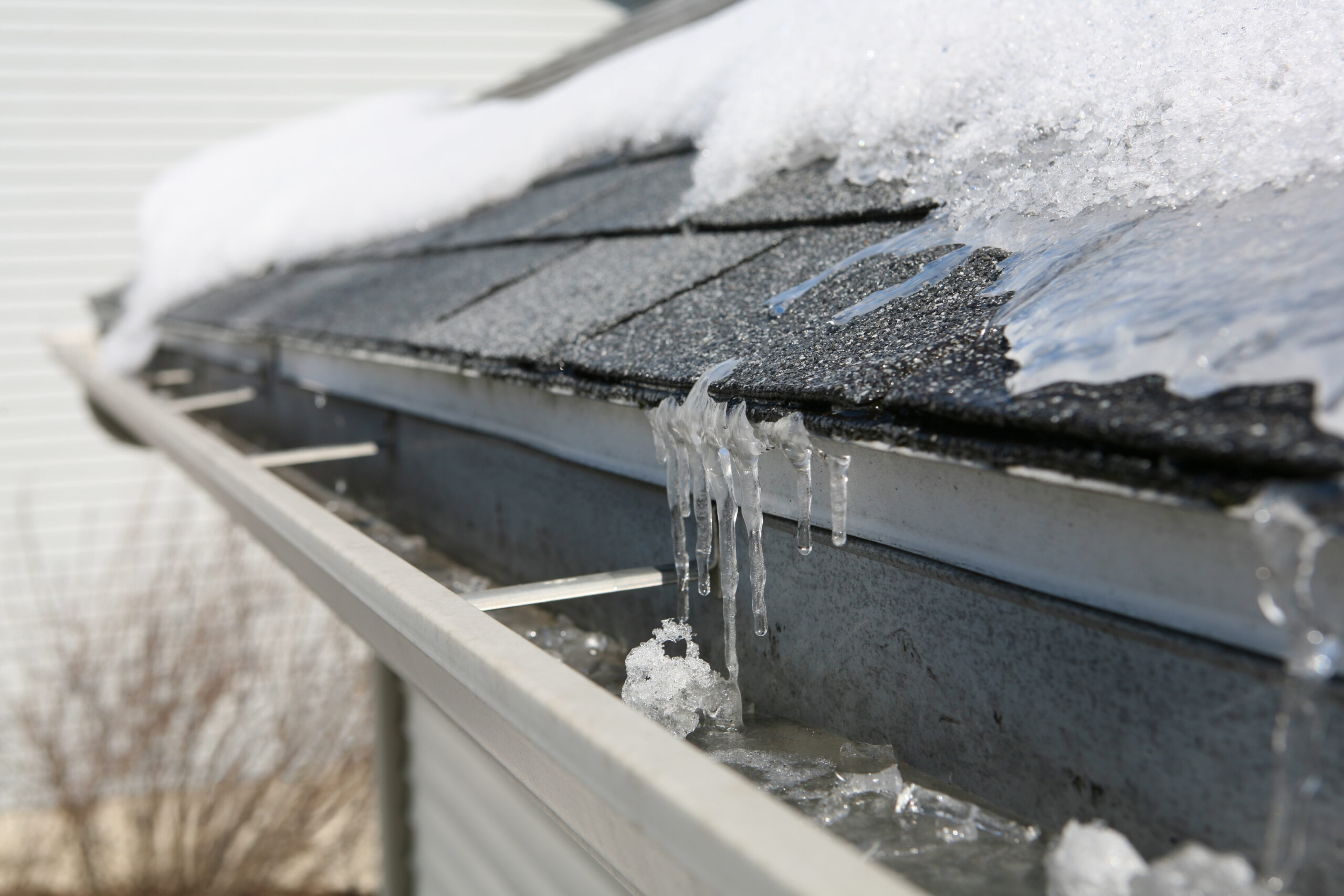
Ice dams form when snow melts on warmer sections of a roof and then refreezes near the colder roof edges. This creates a ridge of ice that prevents proper drainage. When water cannot drain off the roof, it can begin backing up behind the ice ridge and eventually seep beneath the roofing materials.
Understanding how ice dams develop and recognizing the early warning signs can help homeowners prevent costly structural problems. From roof leaks to insulation damage, ice dams can affect multiple areas of a home if left untreated.
This guide explains how ice dams form, the warning signs homeowners should watch for, the damage they can cause, and the best ways to repair and prevent them.
Brian M. LeBlanc Roofing provides trusted residential roofing services for homeowners across Massachusetts, including inspections, repairs, and winter roof damage solutions. Our experienced team helps identify problems like ice dam roof damage early and delivers reliable repairs to protect homes from harsh New England winters.
What Is an Ice Dam?
An ice dam is a ridge of ice that forms along the edges of a roof. This ridge blocks melting snow from draining properly off the roof surface. When the trapped water has nowhere to go, it begins backing up behind the ice barrier.
Eventually, this water may seep beneath shingles and roofing materials, leading to ice dam roof damage inside the home.
Ice dams are most common in colder climates where heavy snowfall is followed by fluctuating temperatures. The combination of snow accumulation and uneven roof temperatures creates the perfect conditions for ice buildup.
How Ice Dams Form
Ice dams typically form because of temperature differences across the roof surface. Warmer areas near the roof peak cause snow to melt, while colder areas near the eaves cause the water to freeze again.
The process generally happens like this:
Formation Process:
Heat escapes from the attic due to poor insulation.
Snow on the upper roof melts from the heat.
Meltwater flows down to the eaves where temperatures are below freezing.
Water refreezes at the roof edge, forming an ice dam.
Additional meltwater accumulates behind the ice dam.
Water eventually seeps under shingles into the roof system.
Over time, this repeated melting and freezing process increases the size of the ice dam and the amount of trapped water.
Why Heat Loss From the Attic Contributes to Ice Dams
A major cause of ice dams is heat escaping from inside the home. Poor attic insulation allows warm indoor air to reach the roof deck. This warms the snow on the upper roof and triggers the melting process.
When insulation and ventilation are properly installed, the roof surface remains colder, and snow melts more evenly, reducing the risk of ice dams.
Why Poor Attic Airflow Increases Ice Dam Risk
Ventilation also plays an important role in roof temperature control. Without proper airflow, heat builds up in the attic and warms the roof surface.
When this happens repeatedly throughout winter, the melting snow continues to refreeze along the roof edge. Over time, the growing ice ridge leads to ice dam roof damage that affects both the exterior roof structure and the interior of the home.
Can Ice Dams Cause Roof Damage?
Yes, ice dams can cause immediate and long-term damage to roofs. Ice damming roof damage occurs when water infiltrates roofing materials, compromising the structural integrity of your home.
Common damage caused by ice dams:
Shingle Damage: Water entry lifts and loosens shingles.
Underlayment Degradation: Protective layers beneath shingles are compromised.
Wood Rot: Roof decking and rafters retain water, leading to decay.
Gutter Damage: Ice weight can detach gutters.
Soffit & Fascia Damage: Water infiltration deteriorates structural components.
Important: The longer an ice dam remains, the more severe the roof damage becomes.
In many homes, the damage begins slowly. Water collects behind the ice ridge and gradually works its way beneath shingles. Over time, this trapped moisture causes ice dam roof damage that spreads through the roof system and into interior living spaces.
Warning Signs of Ice Dam Roof Damage
Recognizing the early warning signs of ice dam roof damage can help homeowners prevent more serious problems. While some signs are visible outside the home, others appear inside ceilings, walls, or attic spaces.
Icicles Along the Roofline
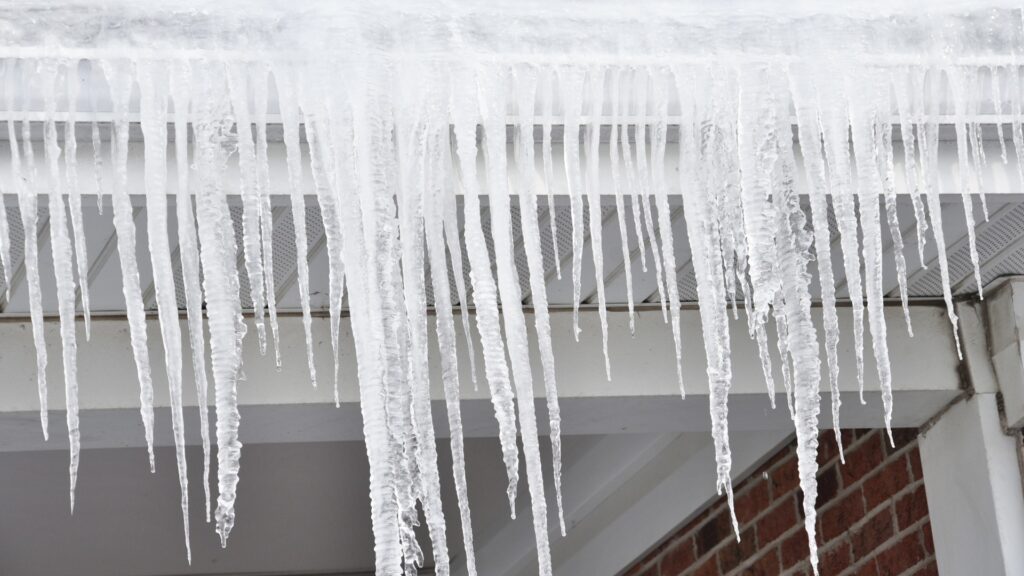
Long icicles hanging from the roof edge often indicate that snow is melting and refreezing unevenly. While small icicles may be harmless, large clusters along the eaves can signal that an ice dam is forming.
When these icicles appear alongside heavy snow accumulation on the roof, it may indicate that trapped water is building behind the ice ridge.
Roof Leaking After Snow Melt
One of the most common signs of ice dam roof damage is water leaking into the home after snow begins to melt.
As meltwater becomes trapped behind the ice dam, it may seep beneath shingles and into the roof deck. Eventually, the water reaches insulation, ceilings, and walls.
Homeowners often notice damp ceiling spots or dripping water during periods of thaw.
Water Stains on Ceilings or Walls
Another warning sign is discoloration on interior ceilings or upper walls. Yellow or brown stains usually indicate that moisture has been slowly entering the home through the roof system.
This water intrusion may also lead to wall damage, often appearing as paint blisters or drywall deterioration.
Peeling Paint or Bubbling Drywall
Interior moisture can also cause visible changes in wall surfaces. Paint may bubble, peel, or blister when drywall absorbs water over time.
If this damage appears near ceilings or upper walls during the winter months, it may indicate ice dam roof damage occurring above the attic.
Mold or Musty Odors in the Attic
Mold or Musty Odors in the Attic: Persistent moisture from an ice dam can create the perfect conditions for mold growth, posing health risks and further structural damage.
When insulation and wooden roof structures remain damp for long periods, mold spores can begin spreading throughout the attic space.
Sagging or Warped Gutters
Sagging or Warped Gutters: The weight of ice dams can pull gutters away from your home, affecting drainage and leading to further roofing issues.
Large ice accumulations add significant weight along the roof edge. Over time, this stress can bend gutter brackets or loosen fasteners.
These structural issues often indicate serious ice dam roof damage developing along the roofline.
The Damage Ice Dams Can Cause
Ice dams aren’t just an inconvenience; they can lead to serious and expensive repairs if not addressed. Some common types of damage include:
Roof Leaks: Water trapped behind an ice dam can seep under shingles, rotting the roof deck and damaging insulation.
Interior Water Damage: Leaks caused by ice dams can result in stained ceilings, peeling paint, and damaged drywall.
Structural Damage: Long-term exposure to moisture can weaken wooden supports in the attic and cause mold growth.
Gutter and Fascia Damage: The sheer weight of ice dams can pull gutters loose or damage fascia boards, leading to costly repairs.
These issues often develop slowly but can eventually affect large portions of the home.
Types of Roof Damage Caused by Ice Dams
Ice dams can create several types of structural damage within the roof system.
Roof Shingle Deterioration
Your shingles are the first line of defense against winter weather. When water backs up behind an ice dam, it pushes under the shingle edges and settles against the underlayment and nails. This compromises the seal and can lead to curling, cracking, or full detachment.
After breaking that seal, shingles lose their water-shedding ability, exposing the roof deck to the elements. Damaged shingles also allow more heat to escape from the attic, which can exacerbate ice dams in the long run.
Damaged Roof Decking
The roof deck is the structural base beneath shingles. When water penetrates beneath roofing layers, the wooden decking absorbs moisture.
Over time, this can cause swelling, soft spots, or rotting sections that weaken the roof’s structural strength.
Attic Insulation Ice Dams
When water reaches attic insulation, it can soak fiberglass or cellulose materials. Wet insulation loses its ability to regulate temperature effectively.
This condition often worsens ice dam roof damage because heat escapes even more easily through the roof.
Interior Water Damage
Water leaking through the roof eventually reaches ceilings, drywall, and flooring. These areas may show stains, sagging drywall, or peeling paint.
Structural Damage
Long-term moisture exposure can weaken roof rafters, joists, and wooden supports. If left untreated, structural damage may require major roof repairs or replacement.
How Ice Dam Damage Is Repaired
The good news is that if you’ve experienced ice dam damage, effective repair solutions are available. At Brian M. LeBlanc Roofing, we follow a thorough process to ensure your home is restored and protected from future ice dam issues:
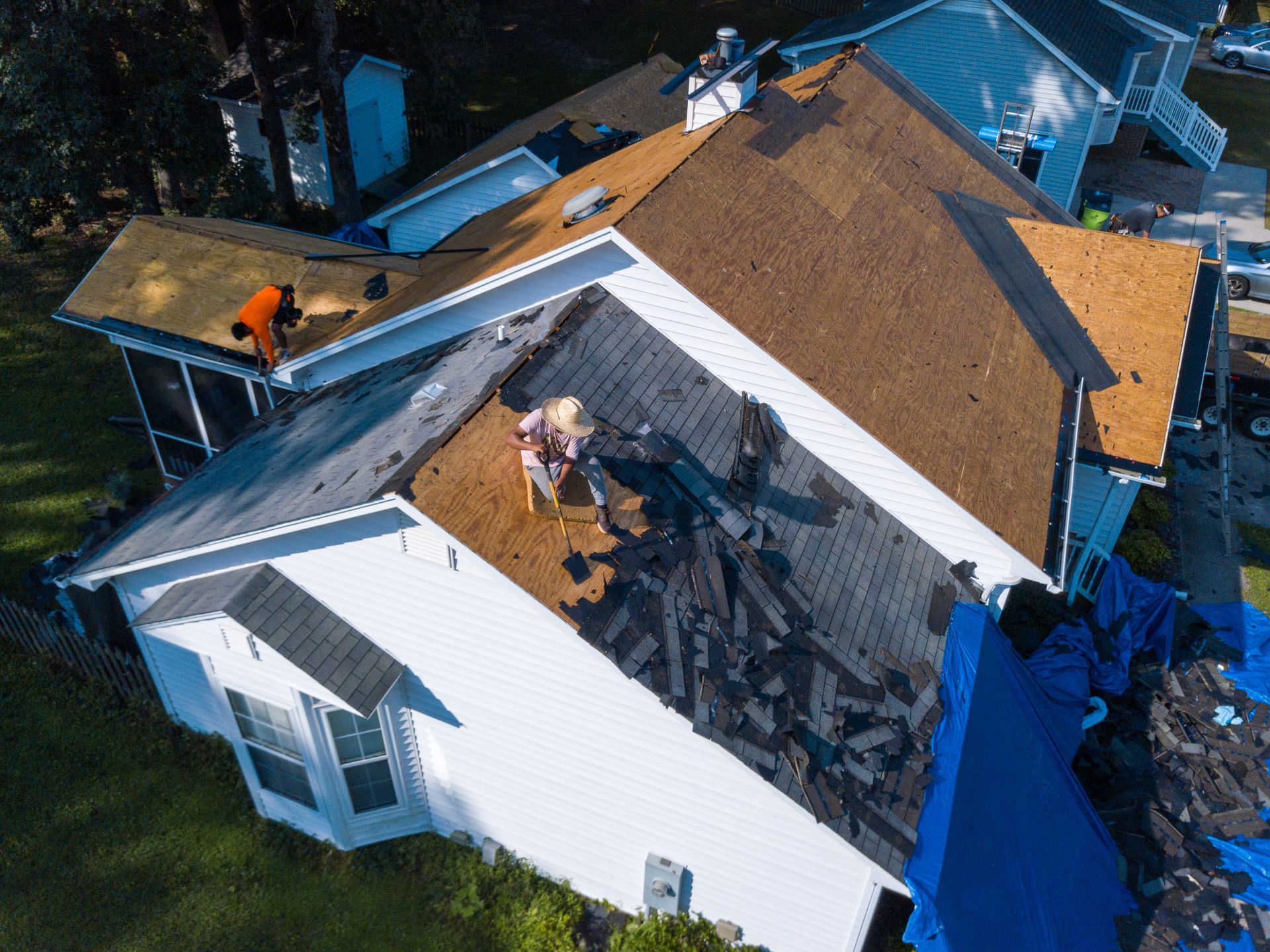
Roof Inspection: We assess the extent of the damage, including checking for leaks, damaged shingles, and compromised attic insulation.
Removal of Damaged Materials: If water has affected the roof deck, insulation, or interior ceilings, we remove the damaged areas to prevent mold and further deterioration.
Shingle and Gutter Repairs: We replace compromised roofing materials and restore proper drainage.
Ventilation Improvements: Upgrading attic ventilation reduces heat buildup and prevents future ice dam formation.
Waterproofing Protection: Ice and water shield membranes may be installed to protect vulnerable roof areas.
These repairs help restore the roof system and prevent additional ice dam roof damage during future winters.
How Ice Dam Damage Is Repaired
While ice dams are a significant concern during winter, there are other risks to be aware of. Heavy snow accumulation can strain your roof’s structure, particularly if it remains on the roof for an extended period. Additionally, freezing temperatures combined with wind can cause shingles to become brittle, making them more susceptible to cracking or blowing off.
Water leakage can also occur from small cracks or air leaks, leading to damage inside your home. Regular inspections and proper maintenance are key to keeping your roof in good condition throughout winter.
How to Prevent Ice Dams
Preventing ice dams is usually easier and less expensive than repairing the damage they cause.
Proper attic insulation and ventilation are among the most important preventive measures. By maintaining a consistent roof temperature, homeowners can reduce the uneven snow melting that leads to ice dams.
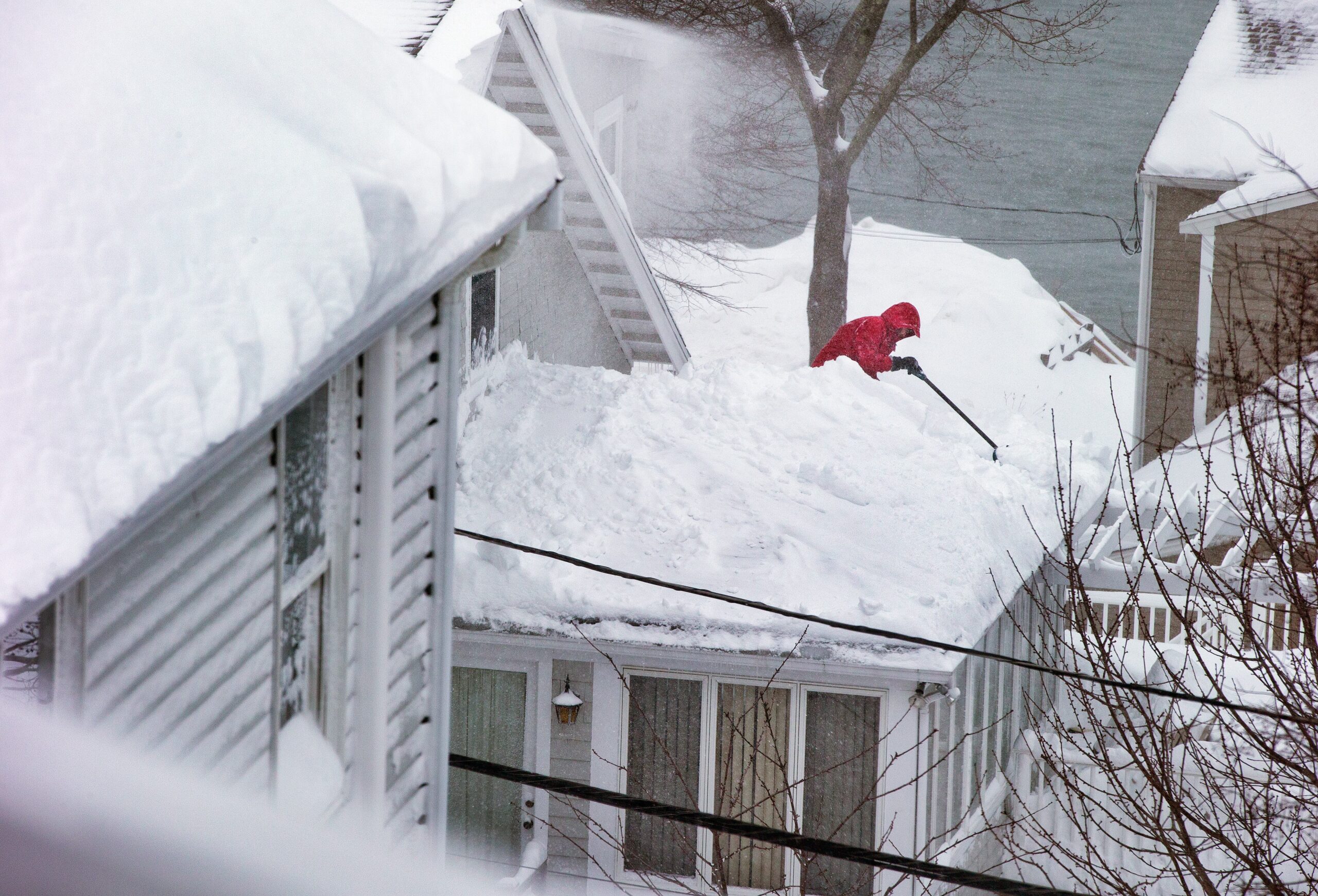
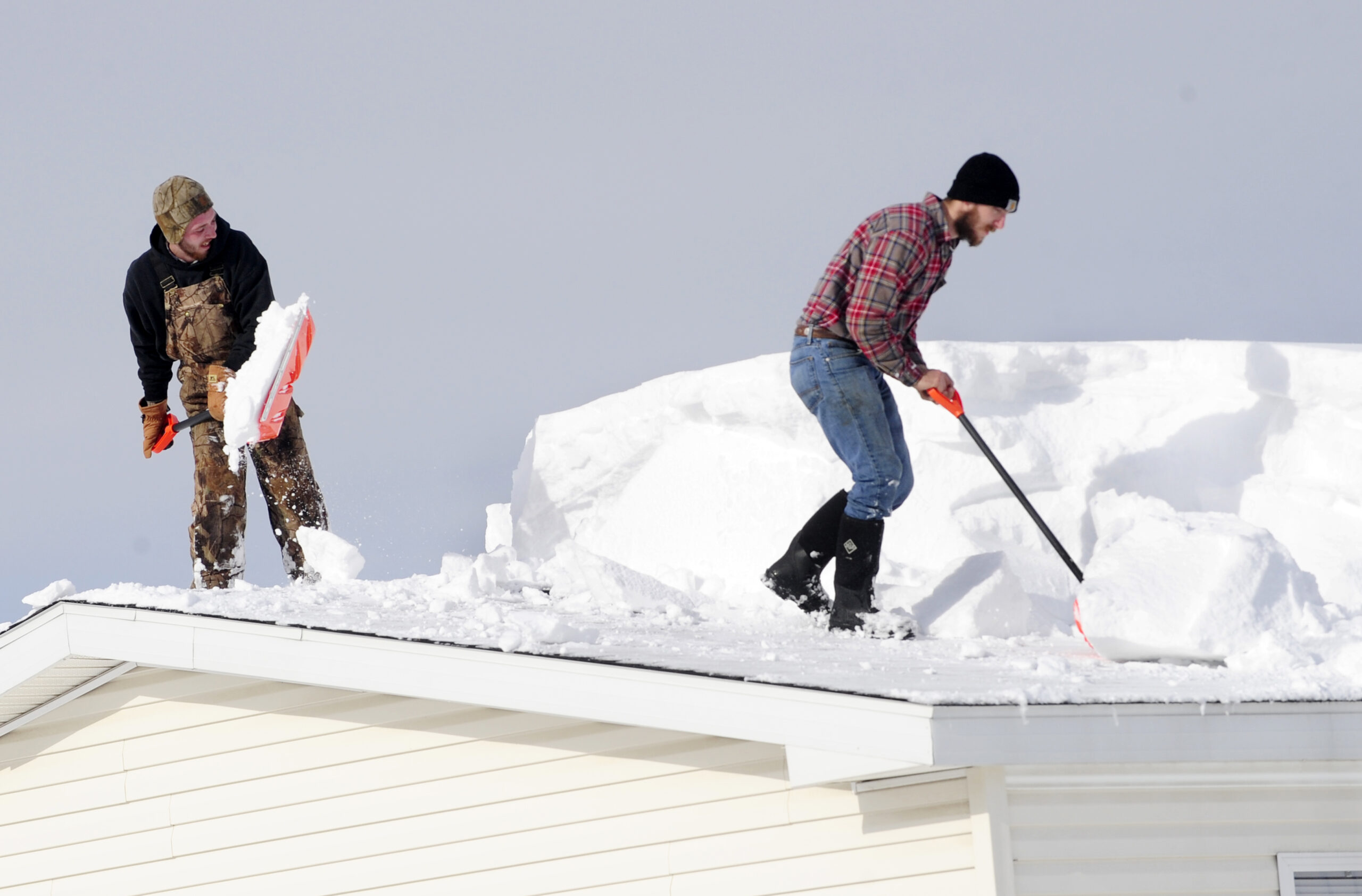
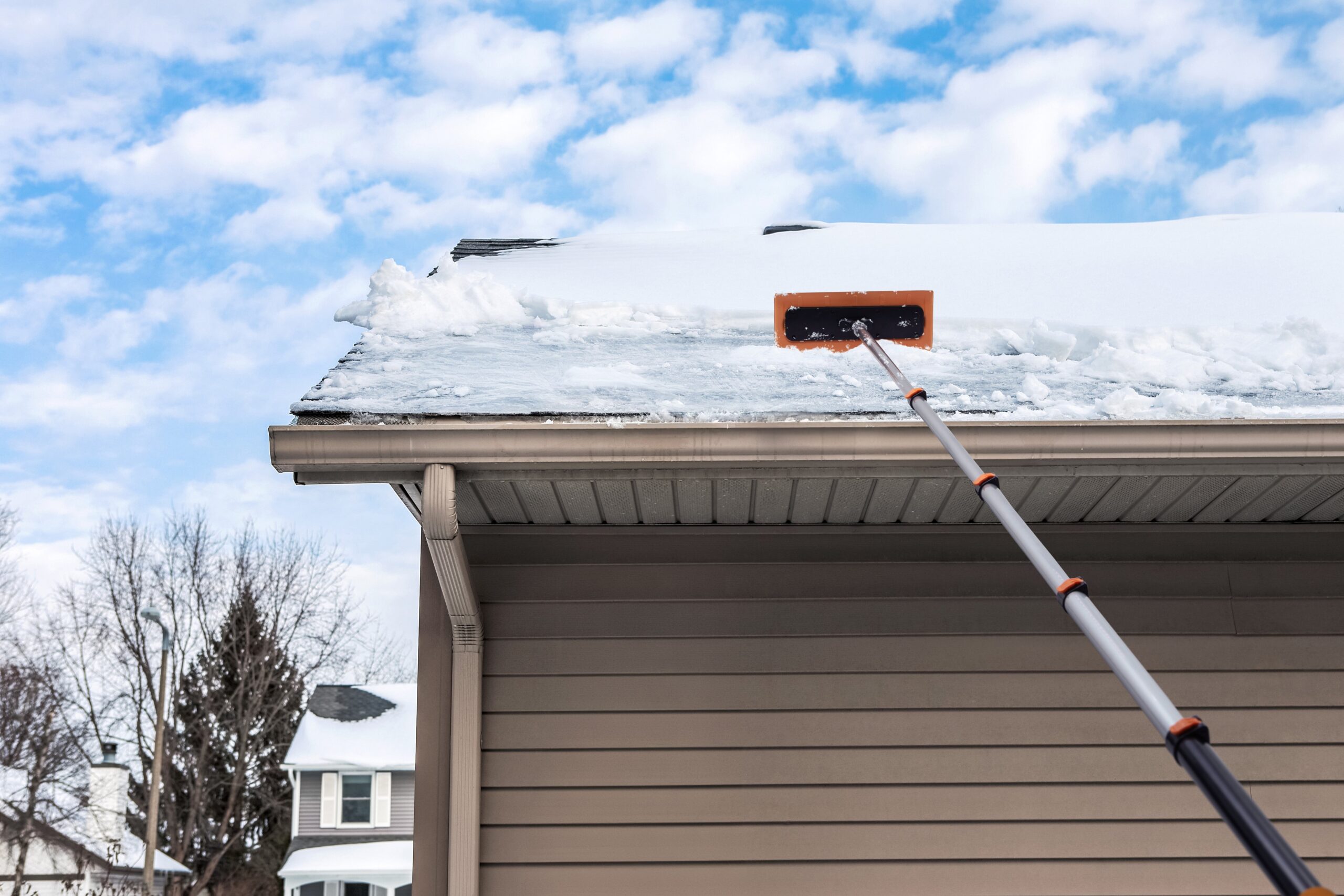
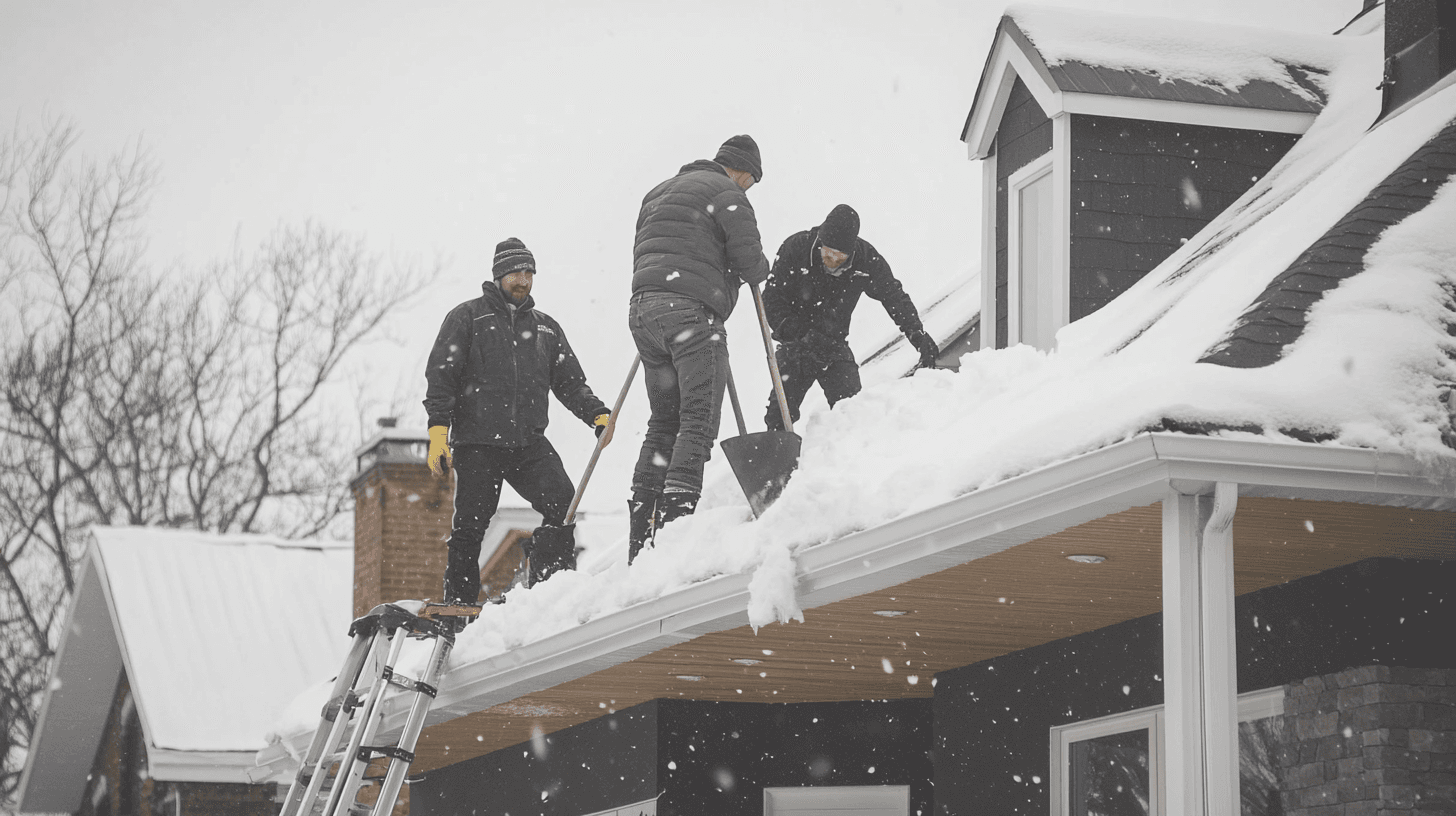
Removing heavy snow buildup from roofs also helps prevent ice accumulation near the eaves. Regular roof inspections before winter allow homeowners to identify insulation problems, ventilation issues, and minor roof damage that could contribute to ice dam roof damage later.
Trusted Roofing Services in Leominster by Brian M. LeBlanc Roofing
Brian M. LeBlanc Roofing is a trusted, fully licensed roofing and siding contractor serving both residential and commercial property owners across Leominster, MA, and nearby communities. With years of hands-on experience, the company delivers reliable roofing and exterior solutions designed to withstand New England weather conditions.
Property owners continue to choose their team for several important reasons:
- Fully licensed and insured professionals with extensive experience completing hundreds of roofing and siding projects throughout Leominster, MA.
- Specialized expertise in installing and repairing weather-resistant roofing and siding systems built to handle New England’s heavy snow, strong winds, and seasonal temperature fluctuations.
- Comprehensive exterior services, including roof repairs, full roof replacements, vinyl siding repair, routine inspections, and preventative maintenance.
- Dependable service for residential homes, office buildings, warehouses, and other commercial properties across the Leominster area.
- A customer-focused approach centered on honesty, transparency, and clear communication throughout every project.
Their dedication to quality craftsmanship and dependable service continues to make Brian M. LeBlanc Roofing a reliable choice for property owners looking for long-term protection and lasting value for their homes and buildings.
Conclusion
Ice dams are a common winter roofing problem, but the damage they cause can be serious if ignored. From roof leaks and insulation damage to structural problems inside the attic, ice dam roof damage can affect multiple areas of a home.
Recognizing early warning signs such as icicles along the roofline, water stains on ceilings, and sagging gutters allows homeowners to take action before the damage spreads.
Understanding how ice dams form and taking steps to improve insulation, ventilation, and roof maintenance can help reduce the risk of winter roofing issues.
By staying proactive and addressing problems early, homeowners can protect their roofs, prevent costly repairs, and keep their homes safe throughout the winter season.
For more details, check our GMB Profile. It provides additional tips, photos, and helpful resources to guide homeowners through keeping their homes in top condition.
Contact us today to schedule your inspection or get a free quote
FAQ
1. What is ice dam roof damage, and why does it happen?
Ice dam roof damage happens when melting snow refreezes at the roof edge. Water gets trapped and leaks under shingles. Poor attic insulation can often cause ice dams this winter.
2. How can homeowners spot early ice dam roof damage?
Early ice dam roof damage signs include icicles on the roof edge, roof leaking after snow melt, and stains on ceilings. These clues show water may be trapped behind an ice dam.
3. Can a roof leak after snow melt mean ice dam roof damage?
Yes. A roof leaking after snow melt often means ice dam roof damage. Meltwater gets stuck behind ice and flows under shingles, causing winter roof leak repair needs.
4. Why do attic insulation ice dams form during winter?
Attic insulation ice dams form when warm air escapes the attic and melts snow on the roof. The water refreezes at the edge, leading to ice dam roof damage over time.
5. When should I call an ice dam removal service?
You should call an ice dam removal service if you see large ice buildup, leaks, or sagging gutters. Fast removal helps reduce ice dam roof damage and protects your roof.