
Worried about roof damage after snow melt in MA? Learn what causes roof leaks, ice dams & water intrusion and how to protect your home this winter.
If you’ve ever walked through your home after a Massachusetts winter and noticed water stains on your ceiling, damp insulation in your attic, or mysterious drips near your windows, you already know how brutal New England winters can be on a roof. What many homeowners don’t realize is that the damage often doesn’t happen while the snow is sitting on the roof. It happens when that snow starts to melt. Understanding the full picture of roof damage after snow melt, MA homeowners face every season is the first step toward protecting their home and avoiding expensive repairs.
At Brian M. LeBlanc Roofing, our certified roofing contractors have spent over 15 years working on rooftops across Massachusetts, from single-family homes in Worcester to colonial-style properties on the South Shore. Based on our hands-on experience and real roof inspection results, we’ve seen firsthand how winter moisture turns into spring headaches. This guide walks you through exactly what causes roof damage after snow melts, how to recognize the warning signs early, and what you can do to prevent serious structural harm to your home.
Why Massachusetts Winters Are Especially Hard on Roofs
Massachusetts sits in a climate zone that experiences the worst of both worlds: heavy snowfall accumulation and frequent freeze-thaw cycles. Unlike states that get consistent cold temperatures throughout winter, MA often sees daytime temperatures creep above freezing, then drop back down at night. This pattern is exactly what creates the chain reaction responsible for most roof damage after snow melt, which MA residents deal with each year.
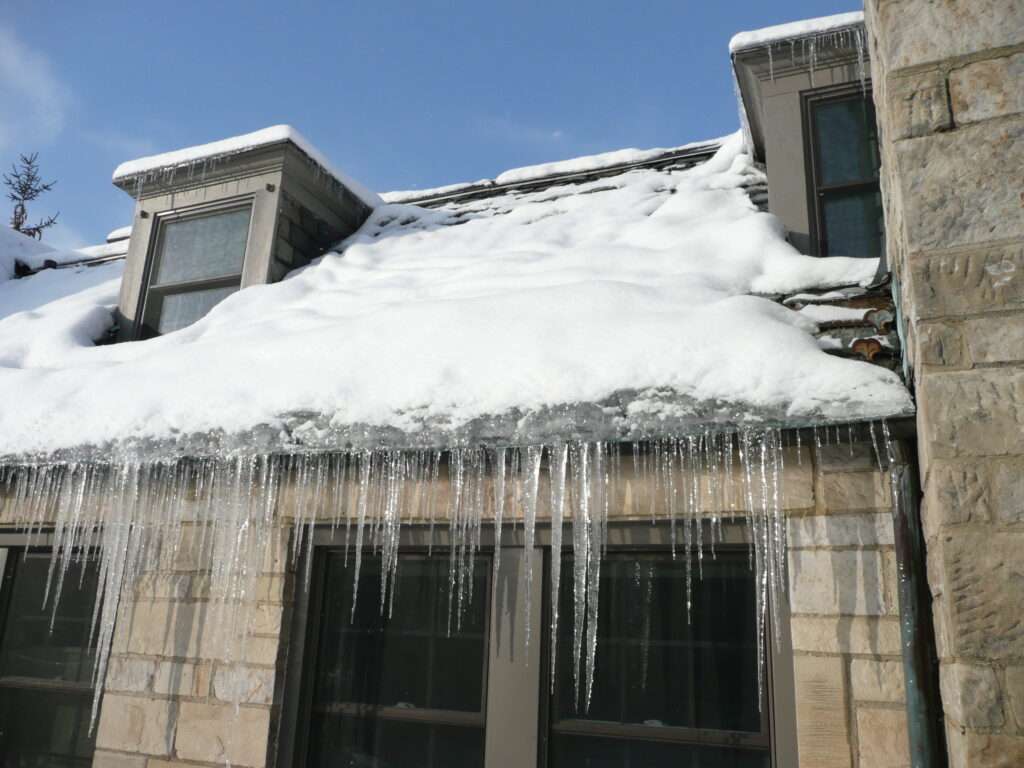
When daytime warmth (or heat escaping through a poorly insulated attic) melts snow on the upper portion of your roof, that water flows downward toward the eaves. But the eaves are cold; they’re not warmed by attic heat, so the water refreezes before it can drain off the roof properly. Over time, this frozen water builds up into what is known as an ice dam. And ice dams are one of the single most destructive winter roofing problems Massachusetts homeowners face.
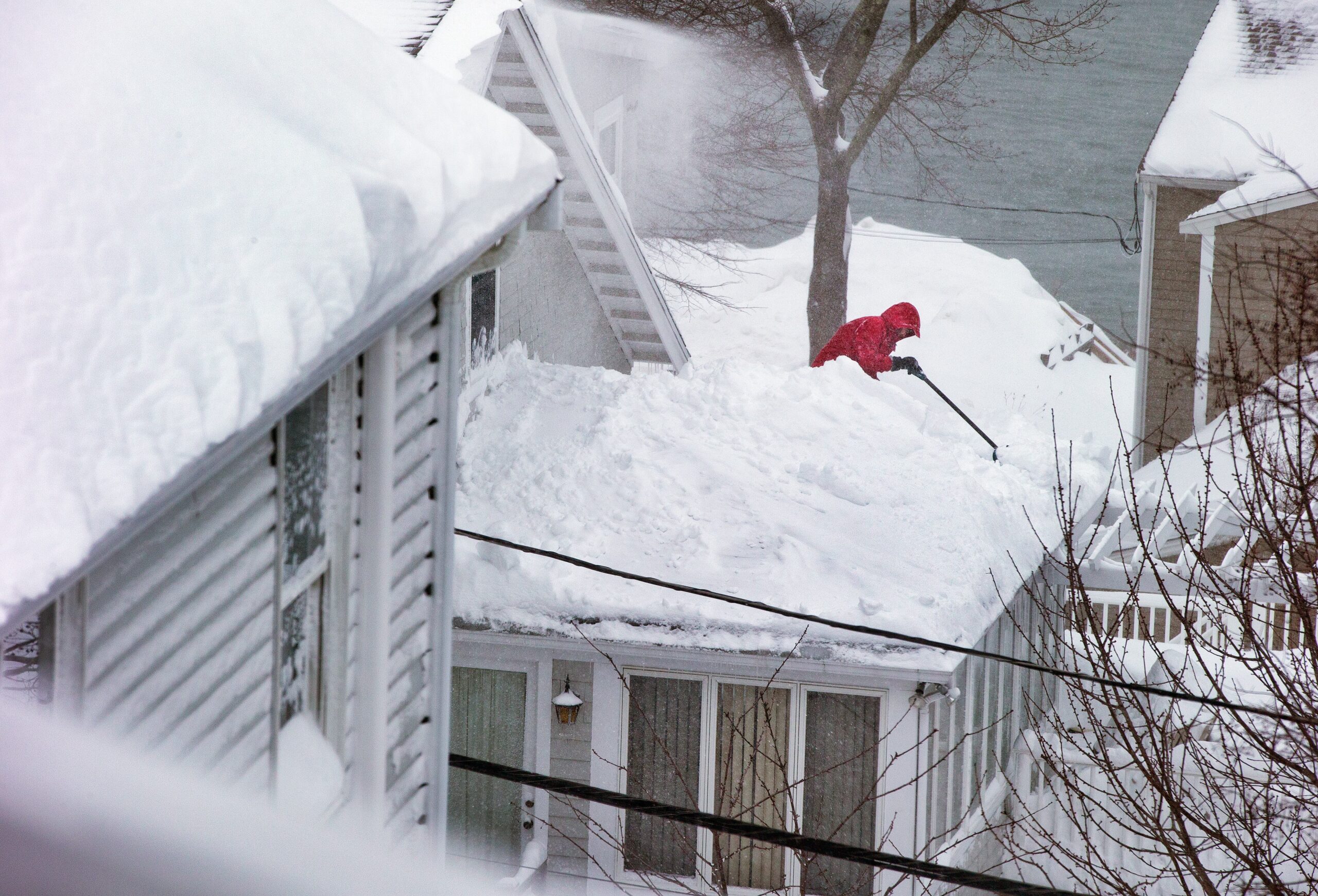
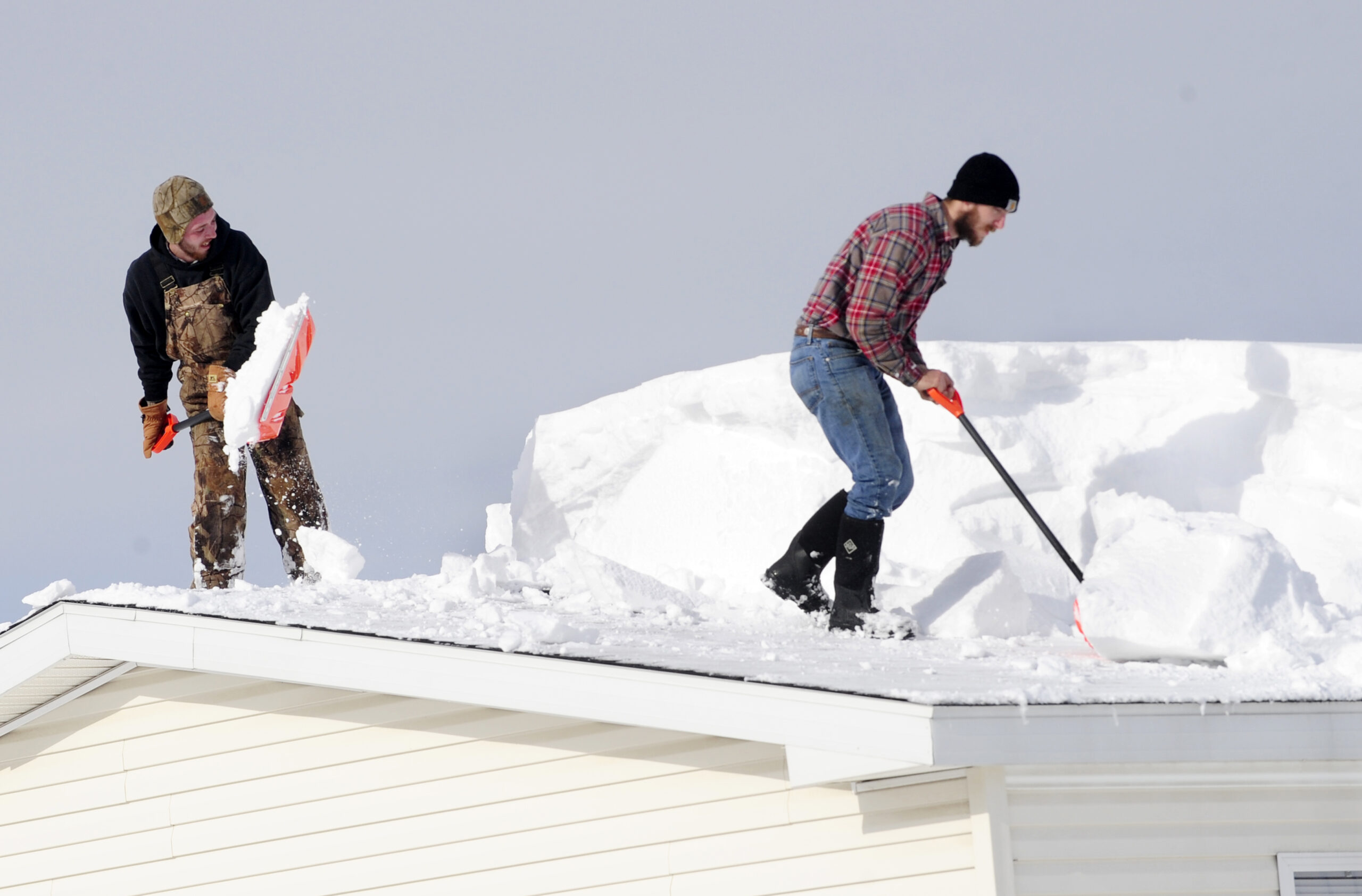
The sheer weight of snow is also a concern. Roofing professionals and structural engineers use the term “snow load” to describe how much weight a roof can safely bear. A cubic foot of wet, heavy New England snow can weigh anywhere from 20 to 60 pounds. When several feet accumulate on a roof that hasn’t been cleared or inspected, the risk of structural stress or, in extreme cases, partial collapse becomes very real. Knowing when snow on your roof becomes dangerous is critical, and it’s something our team assesses during every on-site inspection.
How Ice Dams Form and Why They Cause So Much Damage
To understand ice dam roof damage in Massachusetts, you have to understand the physics of heat transfer on a rooftop. Most residential roofs are pitched, and they rely on proper attic ventilation and insulation to maintain a consistent temperature across the entire surface. When that balance is disrupted, usually because warm air from the living space is leaking into the attic, the upper portion of the roof becomes significantly warmer than the eaves.
Snow on the warm upper section melts and runs down toward the cold eaves. There, it freezes and forms a ridge of ice. As more water flows down and hits that ice ridge, it backs up behind the dam. This pooled water then has nowhere to go but under your shingles. Industry-standard roofing materials are designed to shed water that runs down the surface; they’re not designed to hold standing water. So when water gets trapped behind an ice dam, it seeps under the shingles, through the underlayment, and eventually into your attic or ceiling.
This is how ice dam water intrusion causes some of the most costly damage we see in our work as a trusted roofing company in Massachusetts. The water doesn’t just damage your roof deck; it can rot structural wood framing, ruin attic insulation, trigger mold growth, damage drywall, and destroy ceilings. What started as a roofing issue quickly becomes a whole-home problem. Our field experience has shown us that catching ice dam formation early, even before water enters the home, can save homeowners thousands of dollars in interior repairs.
The Role of Poor Attic Ventilation in Winter Roof Problems
One of the most overlooked contributors to roof damage after snow melt in MA homes is inadequate attic ventilation. Many older Massachusetts homes were built before modern ventilation standards were widely adopted. When an attic doesn’t have sufficient intake and exhaust ventilation, heat builds up and creates that uneven roof surface temperature we described above.
Our licensed roofing contractors conduct advanced leak detection and thorough attic assessments as part of every inspection. Time and again, we find that homes suffering from repeated ice dams, attic leaks after snow melt, and premature shingle deterioration have one thing in common: poor ventilation. Hot, moist air that should be exhausted out of the attic is instead trapped, warming the roof deck and accelerating snow melt from below while condensation saturates the insulation.
Fixing ventilation problems doesn’t always require a full roof replacement. In many cases, our team can retrofit ridge vents, add soffit vents, or install proper baffles to restore healthy airflow. These upgrades, when combined with air sealing the attic floor, dramatically reduce the conditions that lead to ice dams, making them one of the most cost-effective preventive measures available. We always give homeowners transparent pricing with no hidden costs, so you can make an informed decision about which repairs make sense for your home and budget.
Snow Load: When Does Snow on Your Roof Become Dangerous?
Massachusetts building codes account for expected snow loads, but older homes, particularly those with flat or low-pitch roofs, may not be equipped to handle several back-to-back heavy snowfall events. Roof damage from heavy snow in Massachusetts is a real concern, especially after storms like the nor’easters that regularly batter the state between December and March.
The general guideline from structural engineers and FEMA is that most residential roofs can handle about 20 pounds per square foot of snow load before stress becomes a concern. Wet, packed snow can easily exceed this threshold if accumulation goes unchecked. The warning signs of excessive snow load include creaking or popping sounds from your ceiling, doors, or windows that suddenly stick or won’t close properly, cracks forming in interior drywall, or visible sagging in the roofline.
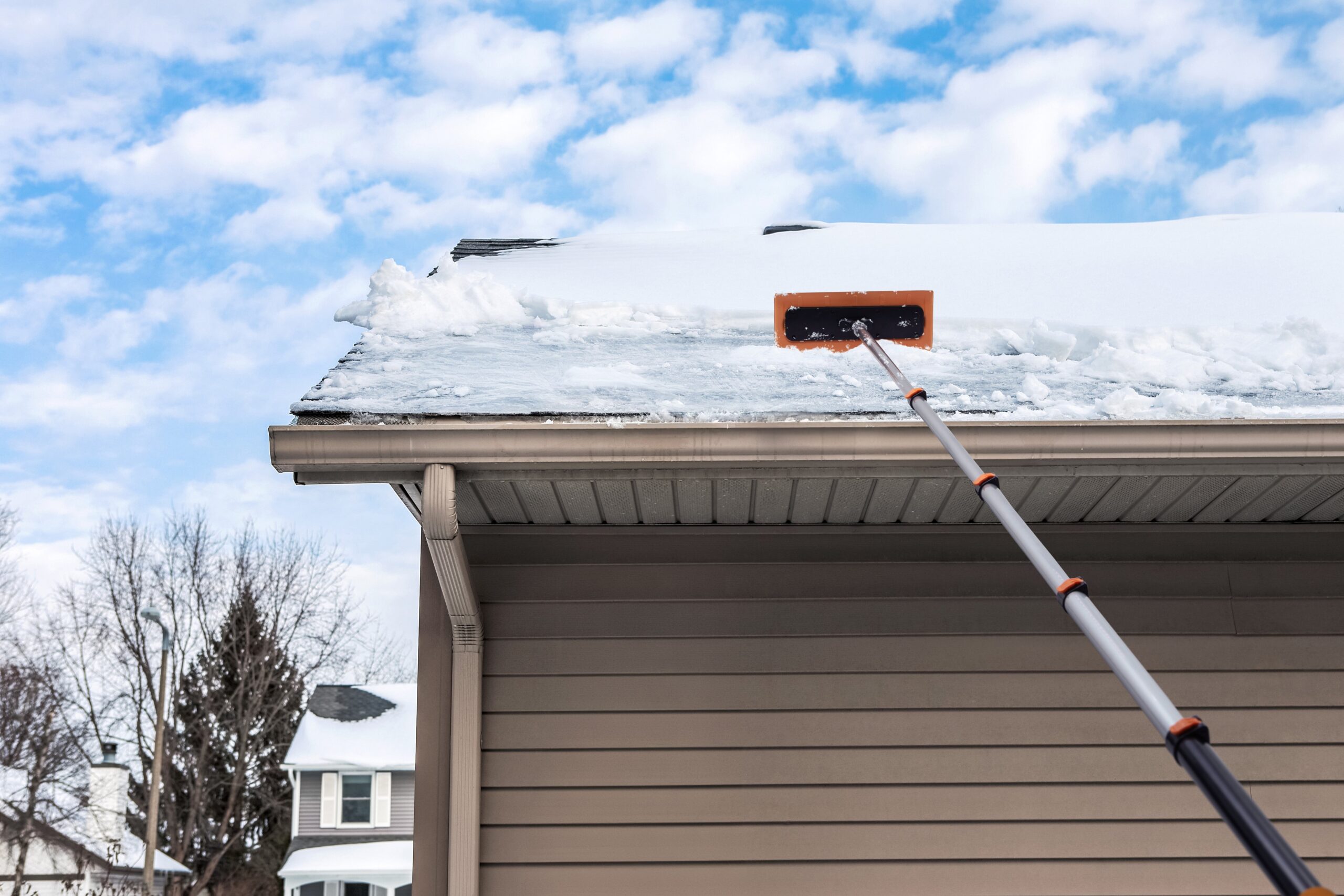
If you notice any of these signs during or after a snowstorm, the roof should be evaluated by a professional as soon as possible. This is also why safe snow removal matters so much. Using a roof rake from the ground to pull down the first few feet of snow from your eaves can significantly reduce both snow load and ice dam formation. However, homeowners should avoid climbing onto a snow-covered or icy roof; this is extremely dangerous and should always be left to insured professionals. Our team offers emergency roof leak repair in MA as well as post-storm inspections to assess snow load risk and document any resulting damage.
How Snow and Ice Damage Your Shingles
Your shingles are the first and most visible line of defense against winter weather, and they take a significant beating during a Massachusetts winter. Understanding how snow and ice damage shingles helps homeowners know what to look for during their own visual inspections after a storm.
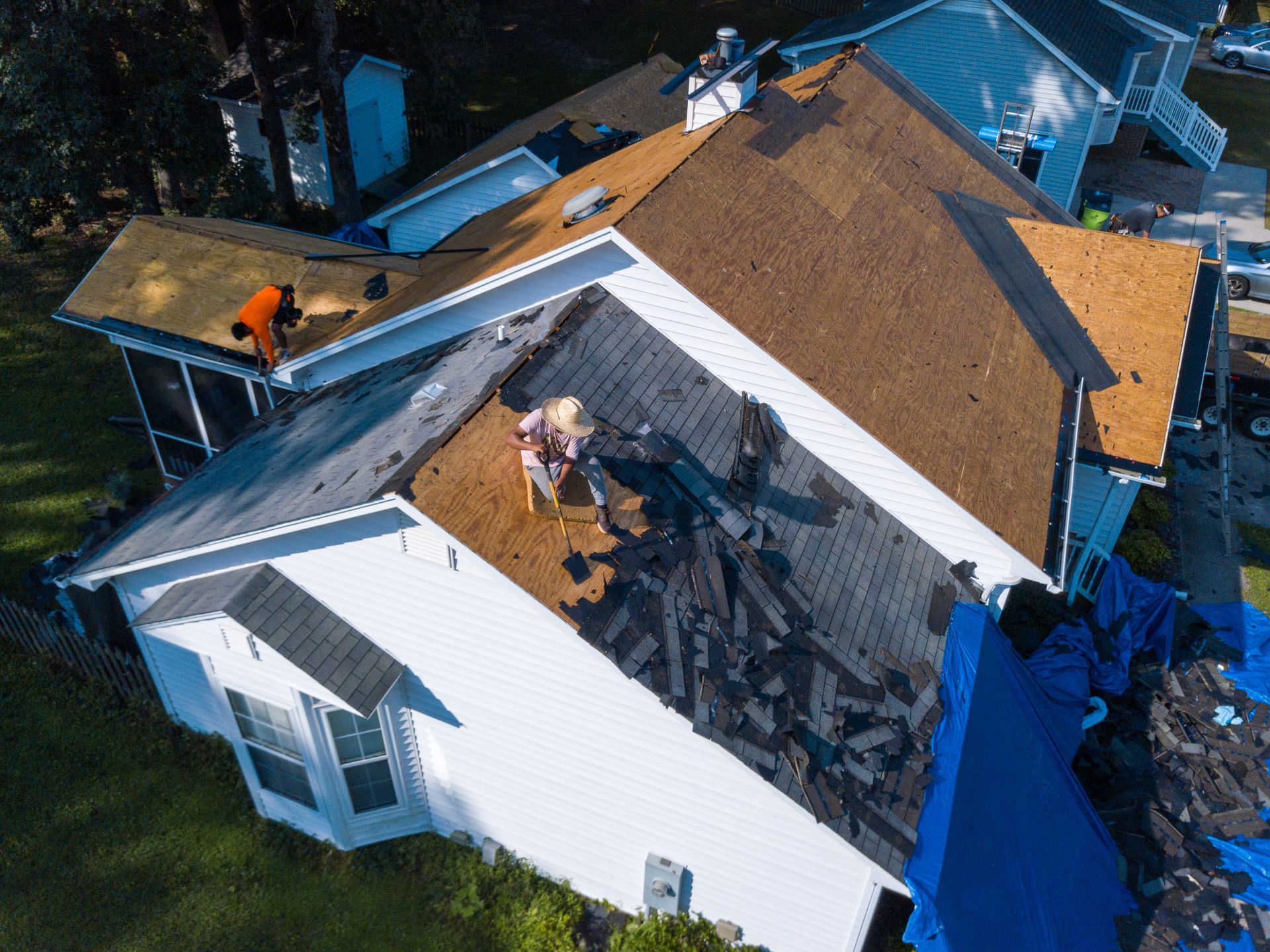
Asphalt shingles are designed to be flexible, but repeated freezing and thawing cause the material to contract and expand continuously. Over time, this stress causes shingles to crack, curl at the edges, or lose granules. Once granule loss becomes significant, the underlying asphalt mat is exposed to UV rays and moisture, accelerating aging. In areas where ice dams form, shingles can be physically lifted by the expanding ice, breaking the adhesive seal between shingle layers and creating gaps where water can infiltrate.
Ice melt products, when used improperly, can also cause damage. Some homeowners apply rock salt or calcium chloride directly to shingles in an attempt to break up ice dams. While calcium chloride, used in moderation and applied correctly, can help, rock salt is particularly harsh on asphalt shingles and can accelerate the granule loss process. Our team has encountered numerous cases where ice melt damage to roof shingles compounded what was originally a minor ice dam problem into a situation requiring partial shingle replacement. Industry-standard installation methods and professional-grade ice melt techniques are always preferable to DIY approaches.
Recognizing the Signs of Roof Damage After Snow Melt
Identifying roof damage after snow melt, MA homeowners often miss that it can be the difference between a simple repair and a full-scale restoration project. Because much of the damage occurs gradually and in areas not visible from inside the home, it’s easy to overlook until water is actively dripping from your ceiling.
One of the first places where damage becomes apparent is in the attic. After snow melt, homeowners who are comfortable and safe doing so should check their attic for wet insulation, water stains on the sheathing or rafters, frost buildup on the inside of the roof deck, or visible daylight through the roof boards. These are all clear indicators that water is getting in. Wet insulation not only loses its effectiveness but also becomes a breeding ground for mold, which creates additional health and remediation concerns.
On the exterior, look for shingles that are cracked, missing, or visibly lifted. Check the flashing around chimneys, skylights, vents, and valleys. These are the most common points of water intrusion on any roof. Clogged or damaged gutters that cause water to back up behind ice dams often show visible signs of bending, pulling away from the fascia, or ice staining. Water stains on your soffits or exterior walls near the roofline are also red flags.
Inside the home, ceiling stains, peeling paint near exterior walls, water marks on attic hatch covers, and musty odors near upper floors are all signs that water has been infiltrating your home. The longer these issues go unaddressed, the more roof damage after snow melt in MA can compound and spread. Our certified roofing contractors can conduct a thorough on-site assessment and provide real inspection results with documented findings, not vague estimates.
What to Do Immediately After Noticing Roof Damage
The most important thing to do when you suspect snow-melt-related roof damage is to act quickly. Water intrusion does not stop on its own; it will continue to find its way deeper into your home’s structure every time it rains or additional snow melts. Calling a licensed and insured roofing company in Massachusetts as soon as possible is always the right move.
At Brian M. LeBlanc Roofing, we offer free roof inspections with no hidden charges. When you call us after a storm, our team conducts a comprehensive assessment that includes documenting all visible damage, identifying the source of any current or potential leaks, evaluating the condition of flashing, shingles, and the roof deck, and providing you with a full written report. We also work with homeowners to coordinate with their insurance companies, providing the documentation needed to support a claim.
For active leaks, we can apply emergency tarping and temporary protective measures to stop water from entering your home while a permanent repair plan is developed. Our emergency roof leak repair services in MA are available when homeowners need a fast response because a winter roof leak is not something that can wait until spring. Serving Massachusetts homeowners for over 15 years, we’ve built our reputation on honest assessments, quality workmanship, and customer satisfaction that’s guaranteed.
Long-Term Prevention Strategies for Massachusetts Homeowners
Preventing roof damage after snow melt in MA requires a proactive approach before winter arrives, not a reactive one after damage has already occurred. The best results come from combining several strategies that address the root causes of winter roof problems rather than just the symptoms.
Start with a full roof inspection. Our team recommends that Massachusetts homeowners schedule a professional inspection every autumn to assess shingle condition, check and reseal flashing, clean gutters, and inspect attic ventilation. Catching minor issues before the snow season ensures your roof enters winter in the best possible shape. A small flashing repair done in October costs far less than a major interior water damage restoration done in February.
Improving attic insulation and air sealing is one of the most impactful long-term investments a homeowner can make. Properly sealed attic floors that prevent warm living-space air from entering the attic, combined with adequate ventilation to exhaust any heat that does accumulate, dramatically reduce the uneven roof temperatures that cause ice dams. In many cases, an energy audit can identify exactly where heat loss is occurring and prioritize cost-effective solutions.
Installing ice and water shield underlayment is another important protective measure, particularly for homes in Massachusetts, where ice dam formation is common. This self-adhering waterproof membrane is installed beneath the shingles in the most vulnerable zones, typically the lower two to three feet of the roof and in valleys. If water does back up behind an ice dam, the ice and water shield provides a critical secondary barrier that prevents infiltration into the roof deck. Our warranty-backed roofing services ensure that all installations meet or exceed manufacturer specifications and Massachusetts building code requirements.
Finally, having a roof rake on hand and using it after heavy snowfall to pull snow away from the eaves from the ground, safely, and prevent the conditions needed for ice dam formation before they develop. This simple tool is one of the most practical investments a Massachusetts homeowner can make for winter roof protection.
How Much Does Roof Damage Repair After Snow Melt Cost in MA?
One of the most common questions we hear from homeowners is: “What’s this going to cost me?” At Brian M. LeBlanc Roofing, we believe in full transparency, no surprise fees, and no vague estimates. Below is a general pricing guide for the most common services related to roof damage after snow melt in MA. Keep in mind that final costs depend on roof size, damage severity, and materials required. We always provide a detailed written estimate after your free inspection.
Service | Estimated Cost (MA) | Notes |
Free Roof Inspection | $0 | No obligation, full written report included |
Ice Dam Removal | $400 – $1,500+ | Depends on dam size & roof accessibility |
Emergency Roof Tarping | $300 – $800 | Temporary protection after active leak |
Roof Leak Repair (Minor) | $250 – $750 | Flashing, sealant, or small shingle section |
Shingle Replacement (Partial) | $500 – $2,000 | Per the damaged section or slope |
Ice & Water Shield Installation | $1,000 – $3,500 | Full eave protection varies by roof size |
Attic Ventilation Upgrade | $500 – $2,500 | Ridge vents, soffit vents, baffles |
Full Roof Replacement (MA Avg.) | $8,000 – $20,000+ | Depending on size, pitch & materials |
Prices are estimates based on current Massachusetts market rates and may vary. Contact us for an exact quote specific to your home.
Why Homeowners Trust Brian M. LeBlanc Roofing for Quality Roofing Services
Brian M. LeBlanc Roofing is a reliable, fully licensed contractor located in Leominster, MA, providing professional roofing and siding services to both residential and commercial clients in the area. With years of practical industry experience, the company delivers durable, long-term solutions, including specialized cement siding repairs suited for New England’s changing weather. The team is dedicated to high-quality workmanship, using strong materials and a customer-focused approach to ensure every project meets strict standards and expectations. With full licensing and insurance, they have successfully managed numerous roofing and siding projects across Leominster and nearby communities, building a solid reputation for consistency and reliability.
They are experienced in installing and repairing weather-resistant roofing and siding systems that are designed to handle the region’s tough seasonal conditions, helping properties stay protected year-round. Clients can access a wide range of services, including roof repairs, full roof replacements, vinyl siding repairs, inspections, and ongoing maintenance, all delivered with attention to detail and long-term performance in mind.
The company serves various property types, including residential homes, offices, warehouses, and other commercial buildings, offering tailored solutions for different structures. What sets them apart is their commitment to honest communication, fair pricing, and dependable customer care, ensuring clients feel confident and informed throughout every stage of the project.
Conclusion
Massachusetts winters are unforgiving, and your roof bears the full weight of everything they bring. From heavy snow loads and dangerous ice dams to subtle water intrusion that quietly rots your roof deck from the inside out, roof damage after snow melt in MA is one of the most common and most costly problems homeowners in this region face. The good news is that with the right knowledge, professional support, and a proactive approach to maintenance, you can protect your home from the worst of what winter has to offer.
At Brian M. LeBlanc Roofing, we’ve built our business on helping Massachusetts homeowners navigate exactly these challenges with honest inspections, certified expertise, and workmanship you can count on for years to come. If this past winter left you with questions about your roof’s condition, don’t wait until a small issue becomes a major repair.
FAQs
1: What causes roof damage after snow melt in MA?
Ice dams, heavy snow load, and poor attic ventilation cause most roof damage after snow melt in MA. Water backs up under shingles and leaks inside your home.
2: How do ice dams form on Massachusetts roofs?
Heat from your attic warms the roof and melts snow. That water flows down and freezes at the cold eaves. This ice dam traps water, which leaks under your shingles.
3: How can I tell if my roof has snow melt damage?
Look for wet spots in your attic, ceiling stains, or lifted shingles. These are clear signs of roof damage after snow melt in MA. Call Brian M. LeBlanc Roofing for a free check.
4: When does snow on my roof become dangerous?
Snow gets risky when your roof holds over 20 lbs per square foot. Watch for creaking sounds, stuck doors, or a sagging roofline. Get a pro to check it fast.
5: Can bad attic vents cause roof leaks after snow melt?
Yes. Poor attic vents trap heat and cause uneven snow melt. This leads to ice dams and roof leaks. Brian M. LeBlanc Roofing can fix your vents and stop future damage.