
Learn why roof damage gets worse in Massachusetts weather, warning signs, and repair tips to prevent costly roofing problems and extend lifespan.
Massachusetts is known for its unpredictable and often extreme weather. From heavy snowstorms and freezing temperatures in winter to humid summers and coastal winds, your roof constantly faces stress throughout the year. Understanding why roof damage gets worse in Massachusetts weather is critical for homeowners who want to protect their property and avoid expensive repairs.
Based on our hands-on experience with residential roofing projects, small issues like a loose shingle or minor leak can quickly escalate when exposed to harsh seasonal conditions. Our licensed and insured roofing experts have years of experience handling roofing systems across Massachusetts, and we have seen how quickly damage can spread when left untreated.
Your roof is not just a protective layer. It is a system that responds to temperature changes, moisture, and structural pressure. When one part fails, the rest follows. That is why understanding early warning signs and acting quickly is essential.
Brian M. LeBlanc Roofing handles roof inspections, repairs, and replacements using proven methods suited for Massachusetts weather conditions.
We focus on identifying real issues, explaining them clearly, and delivering durable roofing solutions built to last.
Why Roof Damage Gets Worse in Massachusetts Weather
One of the biggest reasons why roof damage gets worse in Massachusetts weather is the constant cycle of stress your roof experiences. Weather conditions here are not stable. Instead, they fluctuate rapidly, which creates ongoing wear and tear.
Small cracks or minor damage may not seem serious at first. However, when exposed to moisture, freezing temperatures, and wind, these small issues expand. Over time, they allow water to penetrate deeper into the roofing system.
Cold temperatures make materials brittle, while heat causes expansion. This repeated cycle weakens shingles, flashing, and seals. As a result, even a small issue can grow into a major structural problem within a short period.
Another major factor is how fast damage spreads. Water intrusion is one of the biggest threats. Once water enters your roofing system, it can travel through insulation, decking, and even into your walls. This is why roof leaks get worse over time if not addressed quickly.
How Weather Affects Roofs in Massachusetts
Snow and Ice Roof Damage
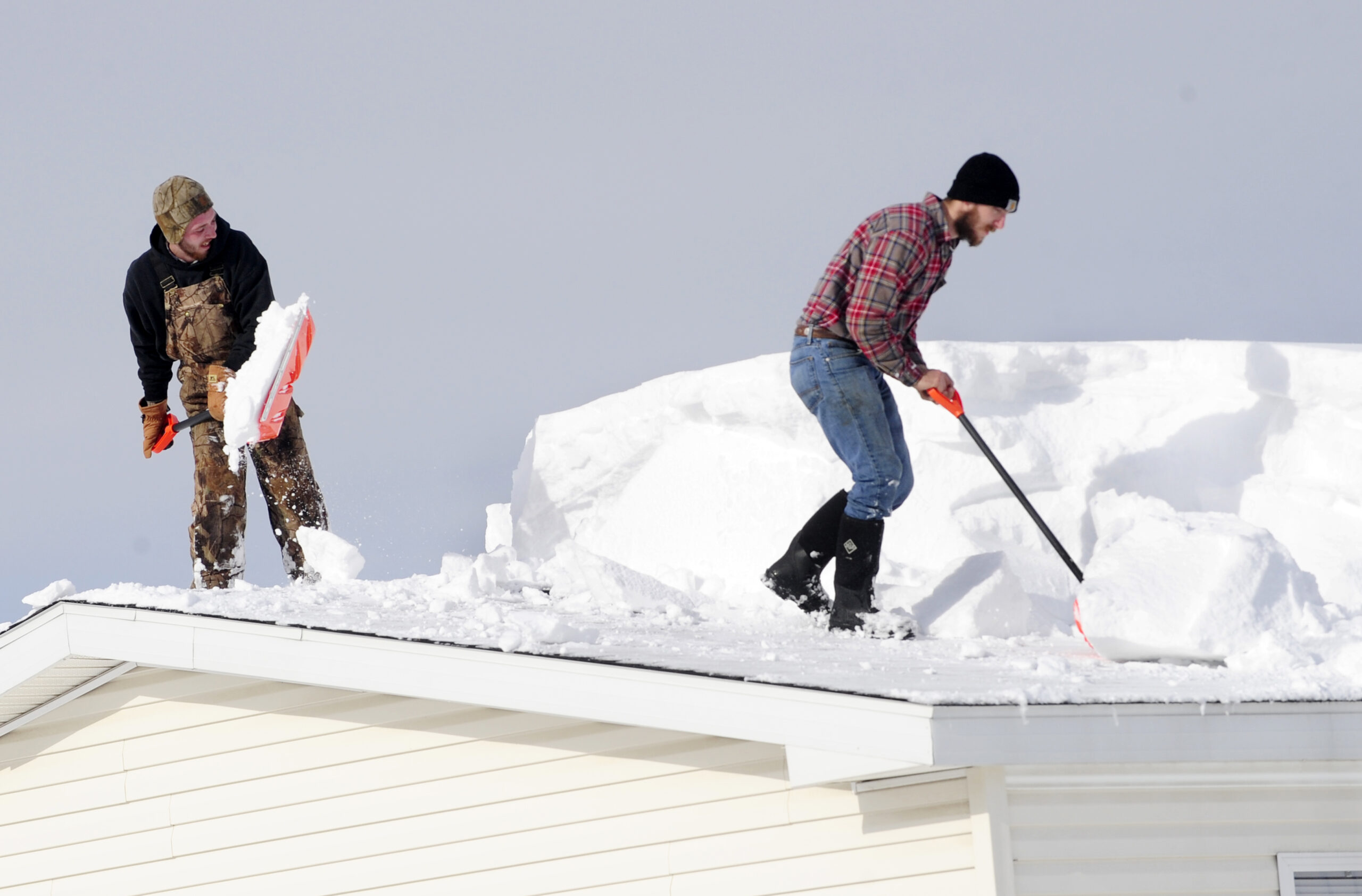
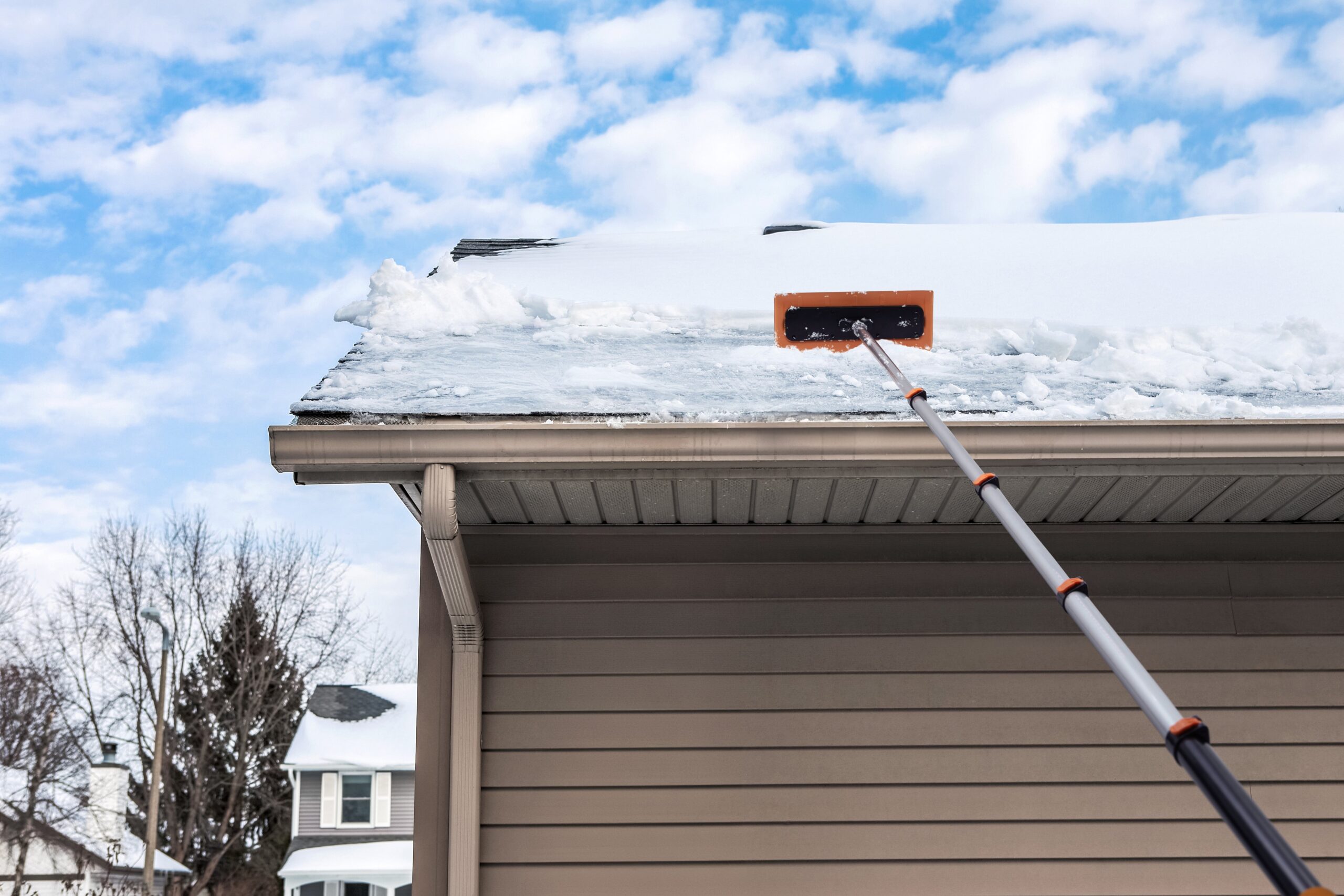
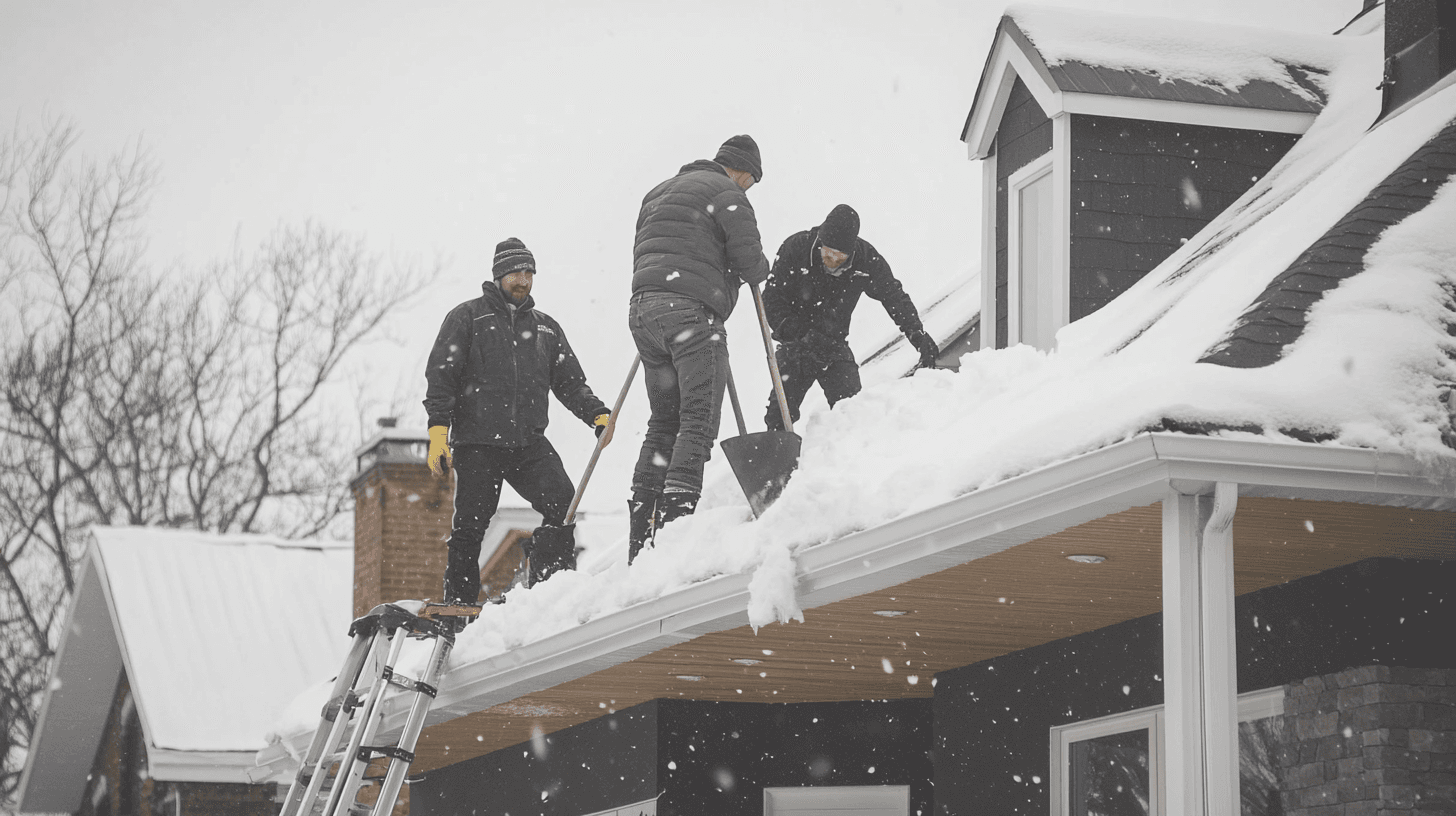
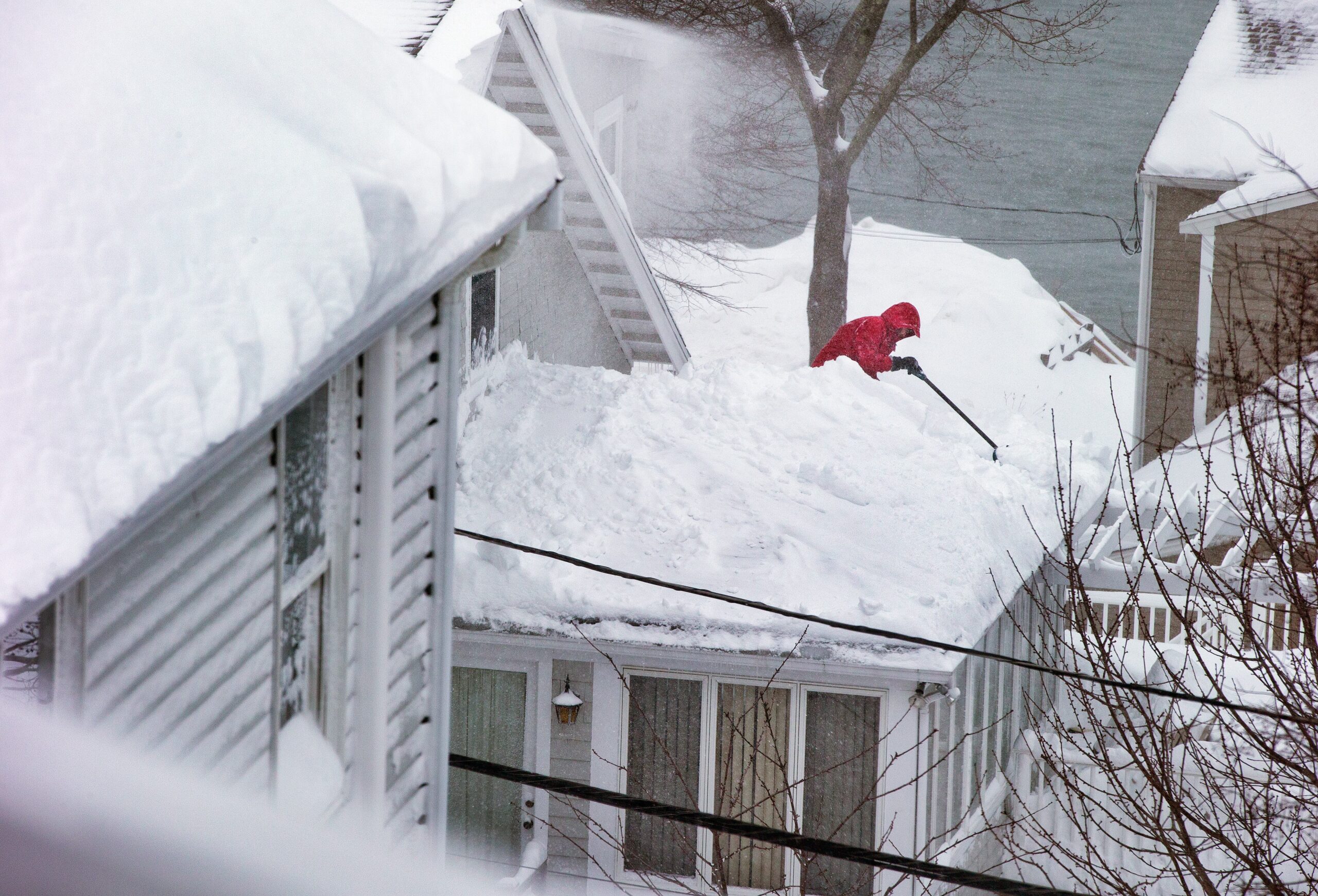
Snow and ice are among the biggest contributors to roof damage in Massachusetts. Snow accumulation adds weight to your roof, while melting snow creates water intrusion risks.
Snow & Ice
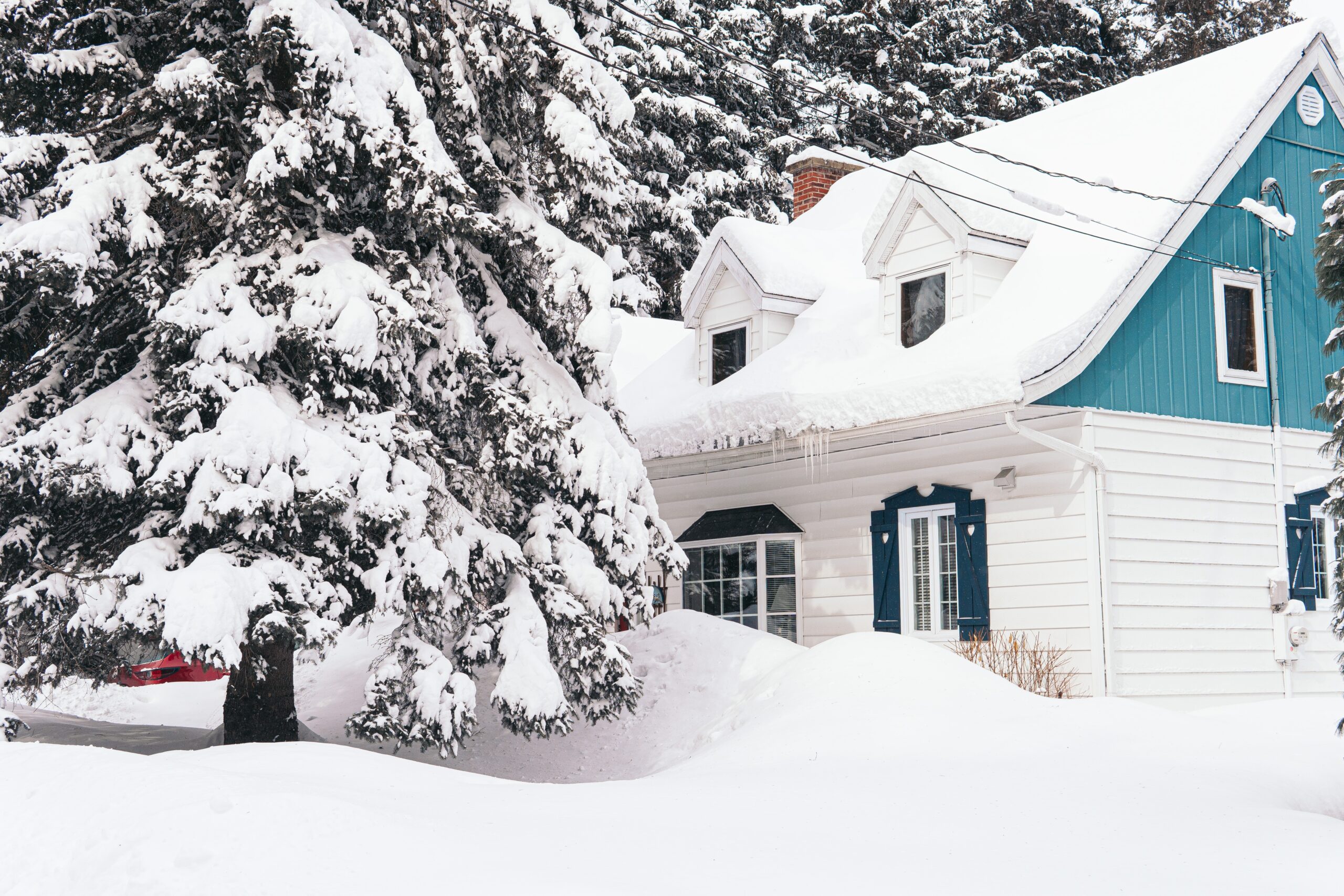
Massachusetts is known for its extreme winter weather. Snow on your roof isn’t really a problem unless, of course, the snow is really heavy. The real problem arises when the snow starts to melt. This can create ice dams at the edge of your roof and force moisture up under your shingles and flashings. These dams can quickly wear down your shingles, leading to the need for asphalt shingle roof repair.
Ice dams are especially dangerous because they trap water on your roof. When water cannot drain properly, it is forced under shingles, causing hidden damage.
Freeze-Thaw and Cold Weather Damage
Freeze-thaw cycles are one of the biggest reasons why roof damage gets worse in Massachusetts weather.
Cold Temperatures Make Small Problems Bigger
When temperature changes, roofing materials tend to expand and contract. With time, this process can cause fasteners to come loose, increase the size of cracks, and put pressure on roof seals around vents and chimneys.
Roofs that were already starting to age or had been slightly damaged in the fall may become brittle in the cold weather, making them more susceptible to cracking or breaking apart completely. When a roof shingle breaks apart, a small gap can allow water to seep underneath the roof, where it is much harder to spot.
This ongoing stress weakens the entire roofing system and accelerates damage.
Rain and Moisture Damage
Rain might seem harmless, but it is one of the most damaging weather conditions for roofs. Heavy rain can find weak spots and penetrate under shingles.
Once moisture enters, it creates long-term problems like mold growth, wood rot, and insulation damage. This is especially common in attic spaces where humidity builds up.
Wind and Storm Damage
Massachusetts storms bring strong winds that can lift shingles, damage flashing, and expose your roof to further damage. Wind pressure often targets weak areas, making existing problems worse.
Storm damage is not always visible immediately. Often, damage becomes noticeable weeks or months later when leaks begin to appear.
Sun and Heat Damage
Wait, so you’re telling me that the sun is bad for my roof, too? The sun can bring the temperature of your roof up 50 to 90 degrees Fahrenheit hotter than the air. The heat and ultraviolet rays cause roofing materials to deteriorate over time. The excessive UV rays can lead to discoloration, too.
Heat also contributes to expansion and contraction, which weakens roofing materials over time.
Common Winter Roof Problems in Massachusetts
Winter is when most damage begins or worsens. Another reason why roof damage gets worse in Massachusetts weather is due to prolonged exposure to snow, ice, and freezing conditions.
Another common winter roof problem is a roof leak. A roof leak can hurt your roof’s health and the overall energy efficiency of your home’s insulation. During the winter, your roof will expand and shrink due to temperature fluctuations. In turn, this could cause any leaks in your roof to worsen over time, which could cause your roof to leak more and condensation to potentially build up in the attic of your residence
Heavy snow can also cause structural strain. When snow accumulates, it adds significant weight, which can lead to sagging or even collapse in extreme cases.
Ice Dams and Hidden Winter Damage
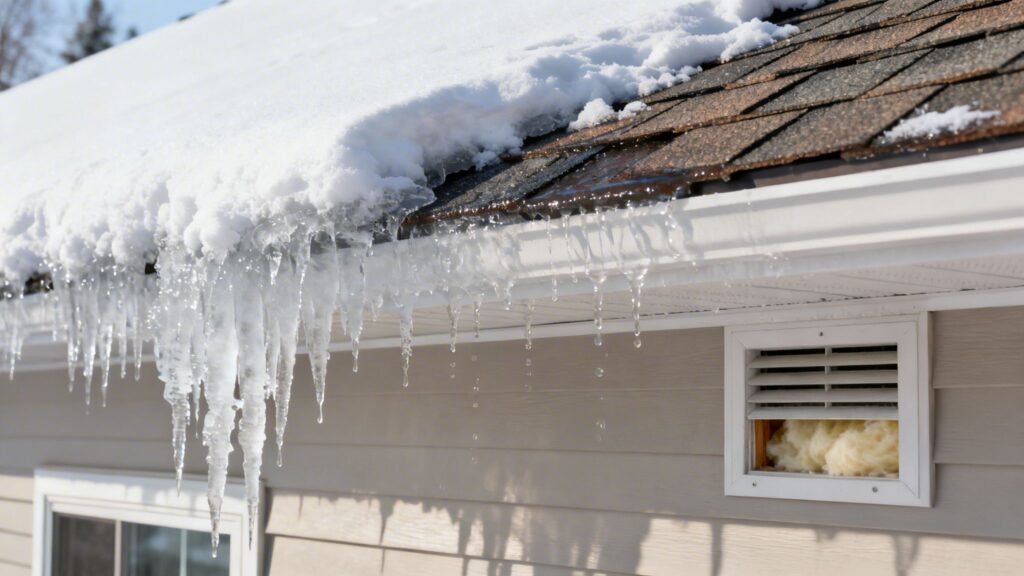
As warm or hot air rises, the shingles on your roof warm up, causing the snow on your roof to melt and drip. When the melted snow encounters colder edges, it refreezes. This cycle of thawing and freezing can create an ice dam, a thick ledge of ice. Eventually, melting snow can’t get beyond this ledge and backs up, creating a larger barrier. As the situation continues, the ice dam blocks the flow of water, allowing water to flow under your shingles.
Ice dams cause severe roof damage by trapping melting snow along the eaves and forcing water underneath the outer shingles. This trapped moisture eventually seeps into your attic and compromises the structural integrity of your entire house.
Warning signs include water stains, icicles, and uneven indoor temperatures. Addressing these early can prevent major repairs.
What Affects Roof Lifespan in Massachusetts
Several factors determine how long your roof will last. Weather exposure is the biggest factor, but installation quality and maintenance also play a major role.
Our certified roofing contractors follow industry-standard installation methods to ensure durability. Poor installation can lead to premature failure, even with high-quality materials.
Proper attic ventilation and insulation are also critical. Without them, heat buildup and moisture issues can shorten your roof’s lifespan significantly.
How Long Does a Roof Last in Massachusetts
Asphalt shingles are the most widely used roofing material in Massachusetts. Most asphalt shingle roofs last 20 to 30 years, depending on the quality of the shingles and how well the roof was installed.
Architectural shingles generally last longer than basic three-tab shingles because they are thicker and more resistant to wind damage. In Massachusetts, freeze-thaw cycles, heavy snow, and ice dams can shorten the life of asphalt shingles if attic ventilation is inadequate. Proper ventilation and flashing play a major role in how long a roof lasts in this climate.
Warning Signs Your Roof Is Failing
Homeowners should watch for early warning signs such as missing shingles, water stains, mold growth, and sagging areas.
Interior signs are often the first indicators. Water stains on ceilings or walls usually mean moisture has already entered your roofing system.
Roof Inspection and Maintenance in Massachusetts
Regular inspections are one of the best ways to prevent damage. Based on our field experience, annual inspections help identify problems before they become costly repairs.
We offer free roof inspections with no hidden charges, ensuring homeowners get clear insights into their roof condition.
Roof Repair vs Roof Replacement
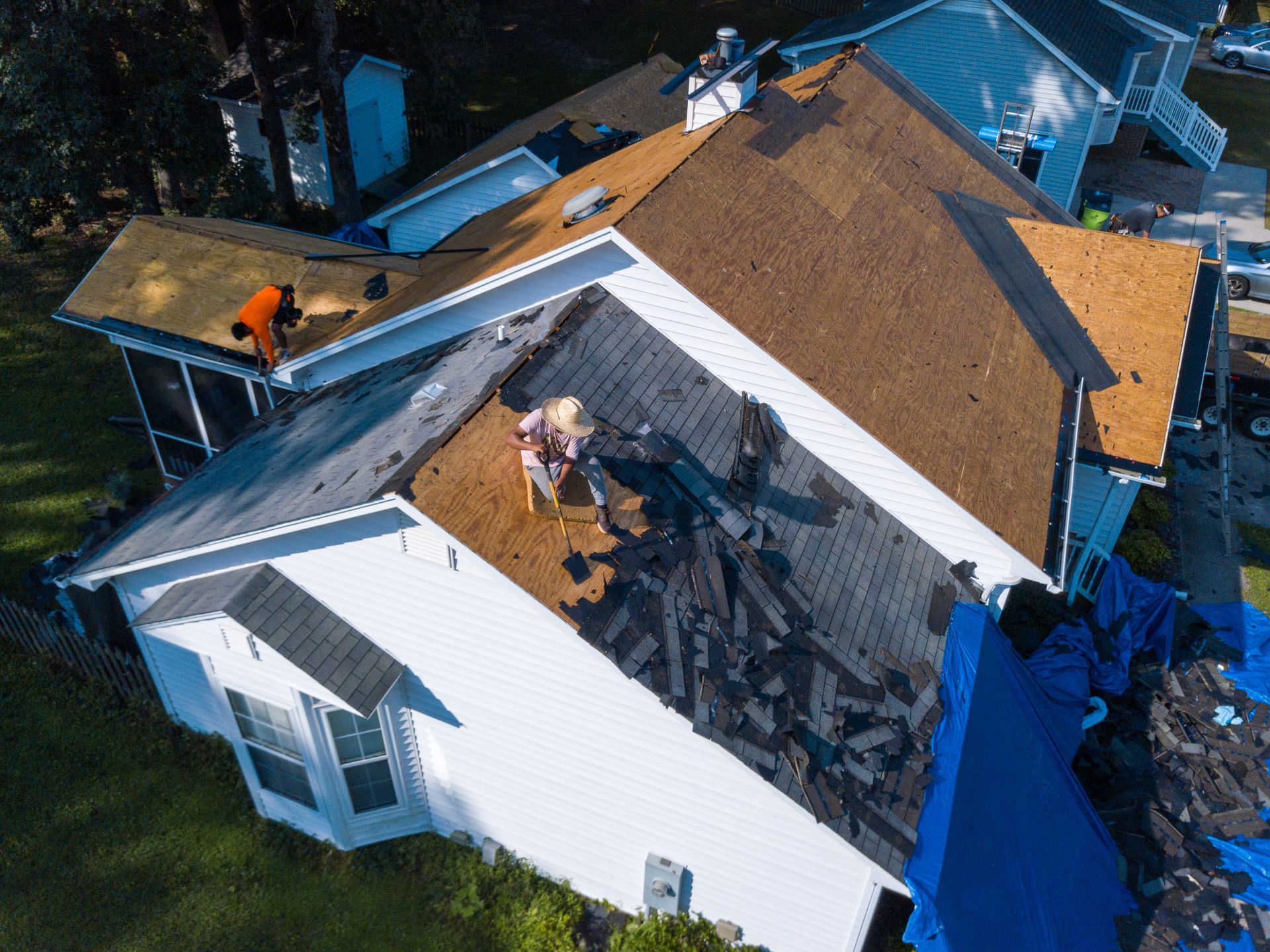
Not all roof damage needs a full replacement. Small issues like minor leaks, missing shingles, or flashing damage can often be repaired and help extend your roof’s lifespan if addressed early.
However, if the damage is widespread, keeps coming back, or the roof is old, repairs may only be temporary. In those cases, replacement is the better long-term solution. Delaying repairs can allow damage to spread, leading to higher costs and more serious structural problems.
Best Time to Repair or Replace a Roof in Massachusetts
Spring and fall are generally the best times for roofing work. These seasons offer stable weather conditions, making installation and repairs more effective. Preparing your roof before winter is especially important to avoid emergency repairs.
Roofing Service Pricing Guide
Service Type | Estimated Price Range (Massachusetts) |
Roof Inspection | Free – $250 |
Minor Roof Repair | $300 – $1,200 |
Moderate Roof Repair | $1,200 – $3,500 |
$400 – $2,000 | |
Asphalt Roof Replacement | $6,000 – $15,000+ |
Premium Roof Replacement | $12,000 – $30,000+ |
$500 – $2,500 |
Note: Prices vary based on roof size, material, damage level, and labor requirements in Massachusetts.
Why Homeowners Trust Brian M. LeBlanc Roofing
Brian M. LeBlanc Roofing is a reliable, fully licensed contractor based in Leominster, MA, proudly serving homeowners and businesses across the local area and surrounding communities. With years of hands-on industry experience, we deliver durable roofing and siding solutions built to handle New England’s demanding weather conditions.
Our approach is centered around quality craftsmanship, long-lasting materials, and clear communication to ensure every project meets a high standard. We have worked on a wide range of residential and commercial properties, providing services such as roof repair, roof replacement, siding repair, inspections, and ongoing maintenance.
As a fully insured company with experience across numerous roofing and siding projects in Leominster, MA, we understand the importance of building systems that can withstand harsh seasonal changes. Our team focuses on practical solutions, transparent pricing, and dependable service to deliver results that homeowners and property owners can rely on.
Conclusion
Understanding why roof damage gets worse in Massachusetts weather helps homeowners take proactive steps to protect their homes. From snow and ice to heat and humidity, every season contributes to wear and tear.
Ignoring small issues can lead to major structural damage, higher repair costs, and reduced roof lifespan. That is why early detection, proper maintenance, and professional inspections are essential.
Our licensed and insured roofing experts have years of hands-on experience handling roofing systems across Massachusetts. Trusted by homeowners, we provide transparent pricing with no hidden costs and deliver long-lasting roofing solutions.
If you are unsure about your roof’s condition, scheduling a professional inspection is the best first step.
For more details, check our Google My Business Profile. It provides additional tips, photos, and helpful resources to guide homeowners through keeping their homes in top condition.
Contact us today to schedule your inspection or get a free quote.
FAQs
1. Why does roof damage get worse in Massachusetts weather?
Roof damage gets worse in Massachusetts weather due to freeze-thaw cycles, snow, and rain. Small cracks expand, letting water spread deeper into the roof system over time.
2. How do snow and ice cause roof damage in Massachusetts?
Snow and ice cause roof damage in Massachusetts by forming ice dams and trapping water. This forces moisture under shingles, leading to leaks, rot, and insulation damage.
3. What are the signs of ice dam roof damage in MA homes?
Ice dam roof damage. MA signs include icicles, water stains, and peeling paint. These show trapped water is leaking under shingles and affecting your attic and ceilings.
4. How fast does roof damage spread after a leak starts?
Roof damage can spread quickly once a leak begins. Water moves through insulation and wood, causing mold growth and structural issues within a short time if not fixed.
5. How does cold weather damage roofs in Massachusetts?
Cold weather damages roofs by making materials brittle. Freeze-thaw cycles cause expansion and contraction, leading to cracks, loose shingles, and water entry points.