
Learn how much snow can a roof hold, warning signs, snow load limits, and when to remove snow to prevent roof damage and collapse.
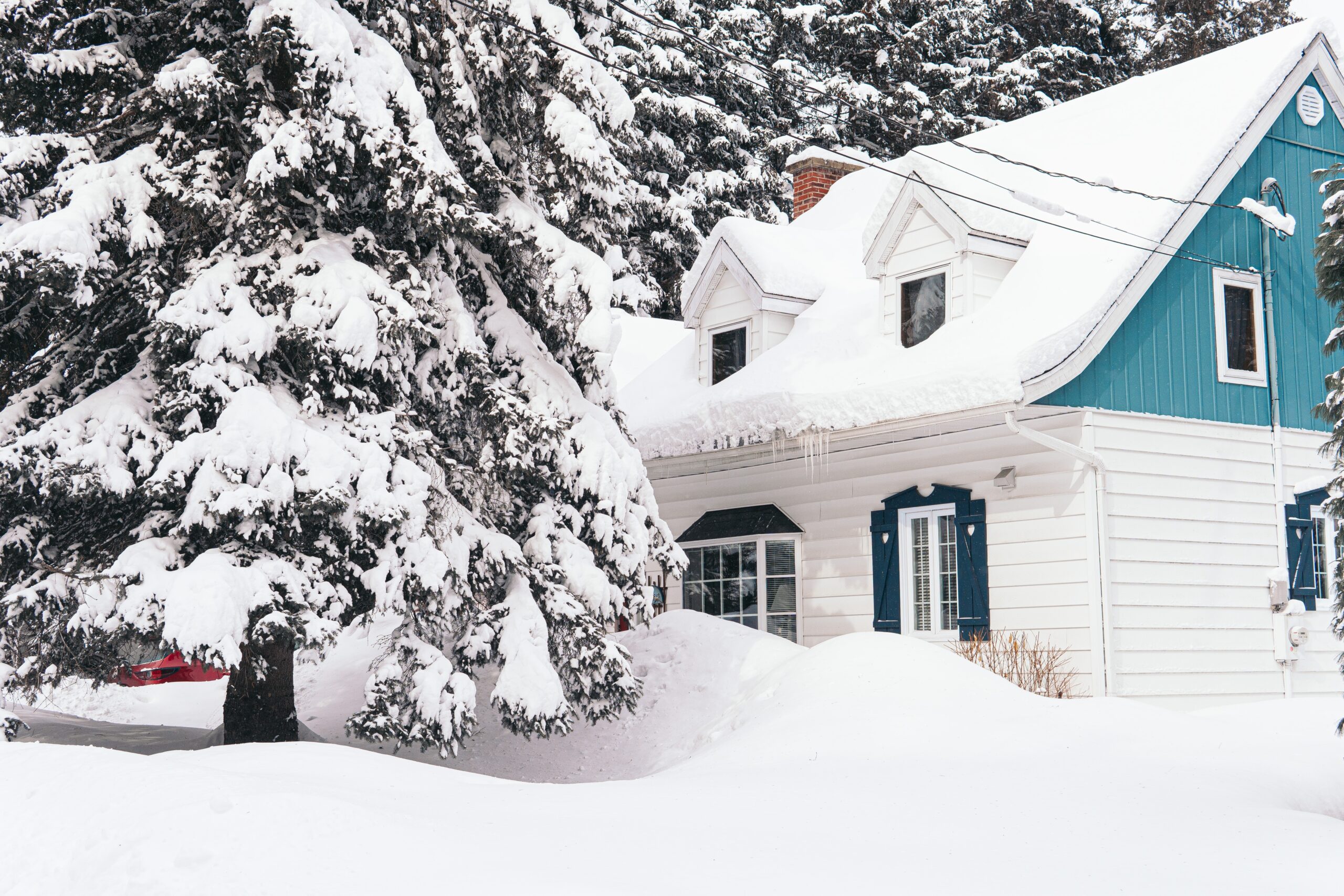
Winter storms can transform neighborhoods into beautiful landscapes, but they also bring hidden risks for homeowners. One of the most serious concerns is how much weight your roof can safely handle when snow begins to accumulate. Many homeowners do not realize that excessive snow buildup can lead to leaks, structural damage, or even total roof failure.
Understanding how much snow can a roof hold is essential if you want to protect your home, avoid expensive repairs, and stay safe during winter. Snow may look light and fluffy, but its weight can increase quickly depending on moisture content, temperature changes, and how long it sits on your roof.
This guide will walk you through snow load limits, warning signs, and when to take action before small problems turn into serious damage.
Brian M. LeBlanc Roofing provides reliable residential roofing services with a focus on quality workmanship and long-term protection. Homeowners trust their team for inspections, repairs, and guidance during harsh winter conditions.
How Much Snow Can a Roof Hold?
According to the Insurance Institute for Business and Home Safety, most residential roofs in good condition can safely support around 20 pounds of snow per square foot. However, the actual risk depends less on how deep the snow looks and more on how heavy it becomes over time.
The type of snow plays a major role in determining whether your roof is nearing its limit. Fresh snow is usually light and fluffy, with 10 to 12 inches adding only about 5 pounds per square foot. This means a roof can handle several feet of fresh snowfall before reaching a critical point. In contrast, packed or older snow becomes much denser, where just 3 to 5 inches can already equal 5 pounds per square foot. When accumulation reaches more than a foot, the load may begin to exceed what your roof can safely handle.
Ice is even more dangerous. A thin 1-inch layer of ice can weigh the same as 12 inches of fresh snow, significantly increasing the stress on your roof structure. This is why ice dams and frozen buildup require immediate attention.
Many homeowners assume that deeper snow always means higher risk, but that is not always true. The real concern is the total weight pressing down on the structure. Understanding how much snow a roof can hold helps you make better decisions about when to monitor, remove snow, or call a professional before serious damage occurs.
What Is Snow Load?
Snow load refers to the amount of weight that snow and ice place on a roof structure. It is usually measured in pounds per square foot (psf). The higher the number, the more stress your roof structure must handle.
Roof snow load capacity depends on several factors, including the design of the roof, building materials, and local climate conditions. Homes built in colder regions are typically designed to support higher loads than those in areas with mild winters.
When evaluating how much snow can a roof hold, it is important to understand that snow density plays a major role. Light, fluffy snow may not be a concern at first, but as it melts and refreezes, it becomes heavier and more dangerous.
The Weight of Different Types of Snow or Ice
Not all snow is the same. Its weight can vary significantly depending on moisture content and weather conditions.
How Much Snow a Roof Can Hold Depends on the Type of Roof and the type of snow.
Most residential roofs in good condition can hold 20 pounds of snow per square foot. This can vary based on your roof’s age, the materials your roof is made from, and the design of your roofline. The amount of snow that adds up to 20 pounds can vary as well, depending on whether the snow is the fluffy type or that dreaded wet and heavy kind.
Light snow can weigh around 3 pounds per square foot, so your roof can hold several feet of it. However, wet, packed snow can weigh 21 pounds per square foot – and ice as much as 51 pounds! – which can cause collapse with only inches of accumulation. Signs your roof is straining include:
- Creaking or popping sounds
- Doors that become difficult to open and close
- Cracks in your walls
- Sagging, warped, water-stained, or leaking ceilings
Fact: On average, 10 inches of fresh snow can weigh as little as 5 pounds per square foot, while wet snow can reach 20 pounds per square foot, highlighting the critical need for routine snow removal.
Which Roofs Handle Snow Best?
Different roof designs handle snow loads differently. Steep roofs allow snow to slide off more easily, while flat or low-slope roofs tend to collect and hold snow for longer periods.
Roof materials also play a role. Metal roofs shed snow faster, while asphalt shingles tend to hold snow longer. Older roofs or roofs with multiple layers may already be carrying extra weight, reducing their ability to handle additional snow.
When assessing how much snow a roof can hold, always consider the design and condition of your roof. Even if two homes receive the same snowfall, their risk levels can be very different.
When Should You Remove Snow From Your Roof?
Many homeowners wait too long before removing snow, which increases the risk of structural damage. The key is to monitor both snow depth and weight.
If snow begins to approach critical levels or if temperatures fluctuate, causing melting and refreezing, it is time to take action. Regular monitoring is especially important after multiple snowstorms, when layers begin to build up.
Knowing how much snow can a roof hold helps you make better decisions about when to remove snow safely.
Signs Roof May Collapse from Snow
Your roof often gives warning signs before a collapse happens. Paying attention to these signs can help prevent serious damage.
Common warning signs include unusual sounds coming from the roof structure, difficulty opening doors or windows, and visible sagging in ceilings or rooflines. Cracks in walls or ceilings are also signs that pressure is building.
If you notice any of these issues, do not ignore them. These are clear indicators that your roof may be under stress.
Structural Roof Damage in Winter
Snow buildup can lead to significant structural problems if left untreated. Excess weight can weaken beams, damage insulation, and cause leaks that spread throughout your home.
In severe cases, roof collapse from snow can occur suddenly, especially when heavy snow combines with ice. The damage can extend beyond the roof, affecting walls, ceilings, and even the foundation of your home.
Understanding how much snow can a roof hold helps you reduce the risk of these costly and dangerous situations.
Ice Dams and Your Roof
Ice dams form when melting snow refreezes at the edges of your roof, creating a barrier that traps water behind it. This trapped water can seep under shingles and cause leaks.
Ice buildup also adds significant weight to your roof. Even a thin layer of ice can dramatically increase the load, making it more dangerous than snow alone.
Preventing ice dams is essential for maintaining a safe roof during winter.
Safe Snow Removal Guidelines
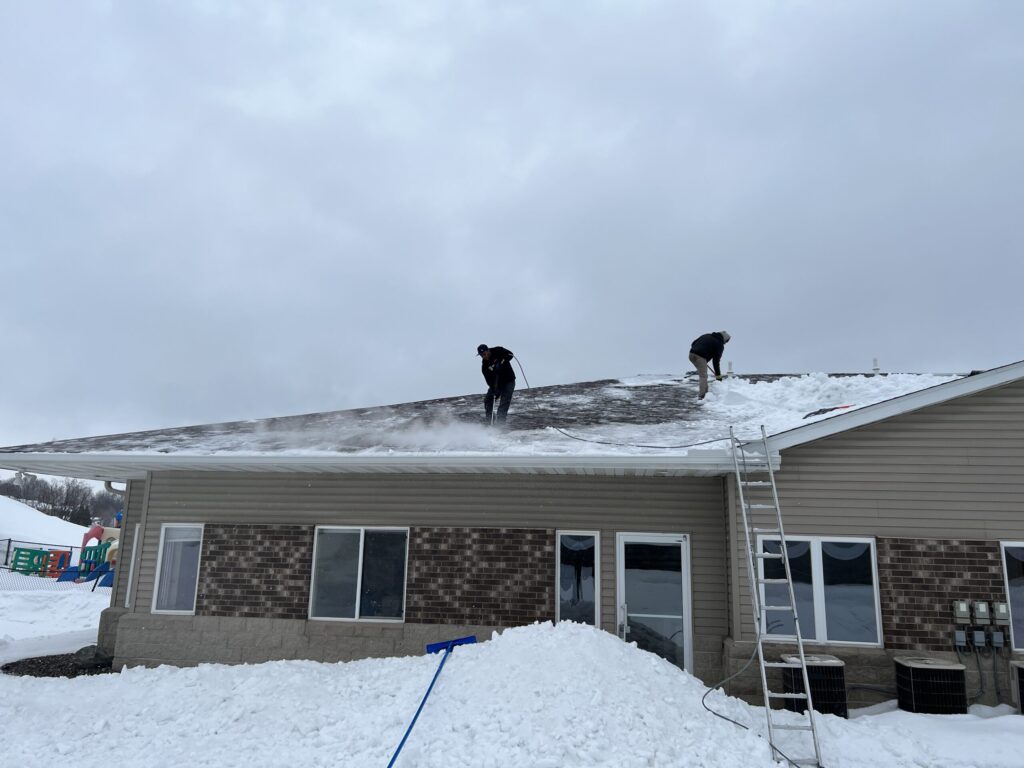
Removing snow from your roof must be done carefully to avoid injury or damage. Using a roof rake from the ground is one of the safest methods for homeowners.
Avoid climbing onto a snow-covered roof, as it can be slippery and dangerous. Removing too much snow can also damage shingles, so it is important to leave a thin layer behind.
Regular snow removal helps keep your roof within safe load limits.
When to Call a Professional Roofing Company
If snow buildup becomes too heavy or if you notice warning signs of stress, it is best to contact a professional roofing company. They have the tools and experience to remove snow safely and assess potential damage.
Professionals can also inspect your roof and identify weak points before they turn into serious problems.
Pre-Winter Roof Inspections to Prevent Damage
The best way to prevent winter damage is to prepare before the season begins. A professional roof inspection can identify issues such as weak structures, damaged shingles, or poor ventilation.
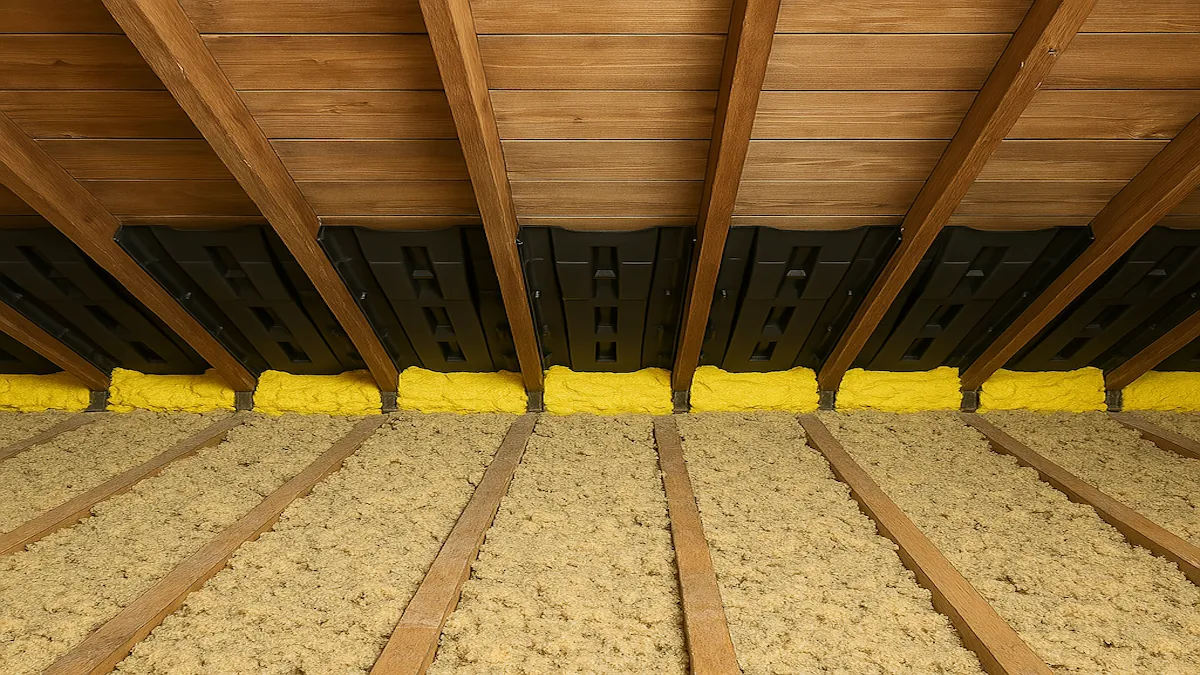
Proper insulation and ventilation help regulate temperature and reduce the risk of ice dams. Regular maintenance ensures your roof is ready to handle winter conditions.
How Much Snow is Too Much for Your Roof?
The exact roof snow load capacity depends on when your home was built and local building codes. Most modern homes in Canada are built to withstand a load of at least 35-40 pounds per square foot (psf).
So, how much snow can a roof hold in practical terms? Generally, a properly constructed roof should be able to support about two feet of fresh, dry snow or about one foot of heavy, wet snow.
If it rained or sleeted a lot and then got very cold, the danger is much greater. The type of roofing materials used can also play a role in how snow sheds or accumulates.
Additional Roofing Resources
Homeowners can benefit from learning more about roof maintenance, insulation, and winter preparation. Understanding these topics helps reduce the risk of damage and improve long-term roof performance.
Estimated Snow Removal & Inspection Pricing
Service Type | Average Cost (USD) | Details |
Roof Snow Removal (Light Snow) | $200 – $500 | Basic removal using a roof rake or ground tools |
Heavy Snow Removal | $400 – $1,000+ | Includes wet snow or thick accumulation |
Ice Dam Removal | $300 – $800 | Steam removal or safe ice clearing |
Emergency Snow Removal Service | $500 – $1,500+ | Urgent response for high-risk situations |
Roof Inspection (Winter Check) | Free – $250 | Some companies offer free inspections |
Structural Damage Assessment | $300 – $700 | Detailed evaluation of roof stress/damage |
Why Property Owners in Leominster Rely on Brian M. LeBlanc Roofing
Brian M. LeBlanc Roofing is a trusted, fully licensed roofing and siding company serving both homeowners and businesses across Leominster, MA, and nearby areas. With years of hands-on experience in the industry, the team has earned a strong reputation for installing durable roofing systems and exterior solutions built for long-term performance.
Along with roofing services, they also handle professional siding work, including cement siding repairs that are well-suited for properties throughout the New England region.
Many property owners in Leominster continue to choose Brian M. LeBlanc Roofing for several key reasons. Their team is made up of licensed and insured professionals who have completed hundreds of roofing and siding projects across Leominster and surrounding Massachusetts communities.
They also bring in-depth expertise in installing and repairing weather-resistant roofing and siding systems designed to withstand New England’s challenging climate, including heavy snow, strong winds, and seasonal temperature changes. In addition, the company offers a full range of exterior services, including roof repairs, full roof replacements, vinyl siding repairs, routine inspections, and preventative maintenance programs that help extend the life of your property.
Their services are available for a wide range of property types, including residential homes, office buildings, warehouses, and other commercial structures throughout the Leominster area. Most importantly, their approach is centered on the customer. They prioritize honesty, clear communication, and transparency at every stage of the project.
Because of their dedication to quality work and dependable service, Brian M. LeBlanc Roofing continues to be a preferred choice for property owners looking for reliable protection and long-term value.
Conclusion
Knowing how much snow your roof can hold is about more than just numbers; it’s about vigilance. While most modern homes can easily handle a standard winter storm, the combination of heavy wet snow, ice, and low-slope roofs can create a recipe for disaster.
Remember the key takeaways: Standard roofs hold about 20 PSF (approx. 4 feet of fresh snow or 10 inches of wet snow). 2:12 pitch roofs require extra attention and frequent clearing. Camper roofs are fragile; clear them often. Never climb on a snowy roof; use a roof rake from the ground.
By understanding how much snow can a roof hold, monitoring your roof regularly, and taking action when needed, you can protect your home, avoid costly repairs, and stay safe throughout the winter season.
For more details, check our GMB Profile. It provides additional tips, photos, and helpful resources to guide homeowners through keeping their homes in top condition.
Contact us today to schedule your inspection or get a free quote
Frequently Asked Questions
1. How much snow can a roof hold before it becomes unsafe?
Most homes can handle about 20 psf, but how much snow a roof can hold depends on snow type, age, and design. Brian M. LeBlanc Roofing recommends checking the buildup often.
2. What is the roof snow load capacity, and why does it matter?
Roof snow load capacity is the weight your roof can hold per square foot. Exceeding it can cause roof collapse from snow and structural roof damage in winter.
3. How do you measure snow weight per square foot on a roof?
Snow weight per square foot depends on moisture. Light snow is low weight, but wet snow is heavy. Knowing this helps estimate how much snow a roof can hold safely.
4. What are the signs that the roof may collapse due to too much snow?
Common signs that the roof may collapse due to snow include sagging ceilings, cracks, and creaking sounds. Brian M. LeBlanc Roofing advises acting fast if you see these issues.
5. Can wet snow cause roof collapse faster than fresh snow?
Yes, wet snow is much heavier. It increases the roof snow load capacity quickly and raises the risk of roof collapse from snow, even with less accumulation.