
Roof leaks escalate fast during Massachusetts’ spring season. Brian M. LeBlanc Roofing explains exactly why and how to stop damage before it spreads. Call (978) 506-4411 today.
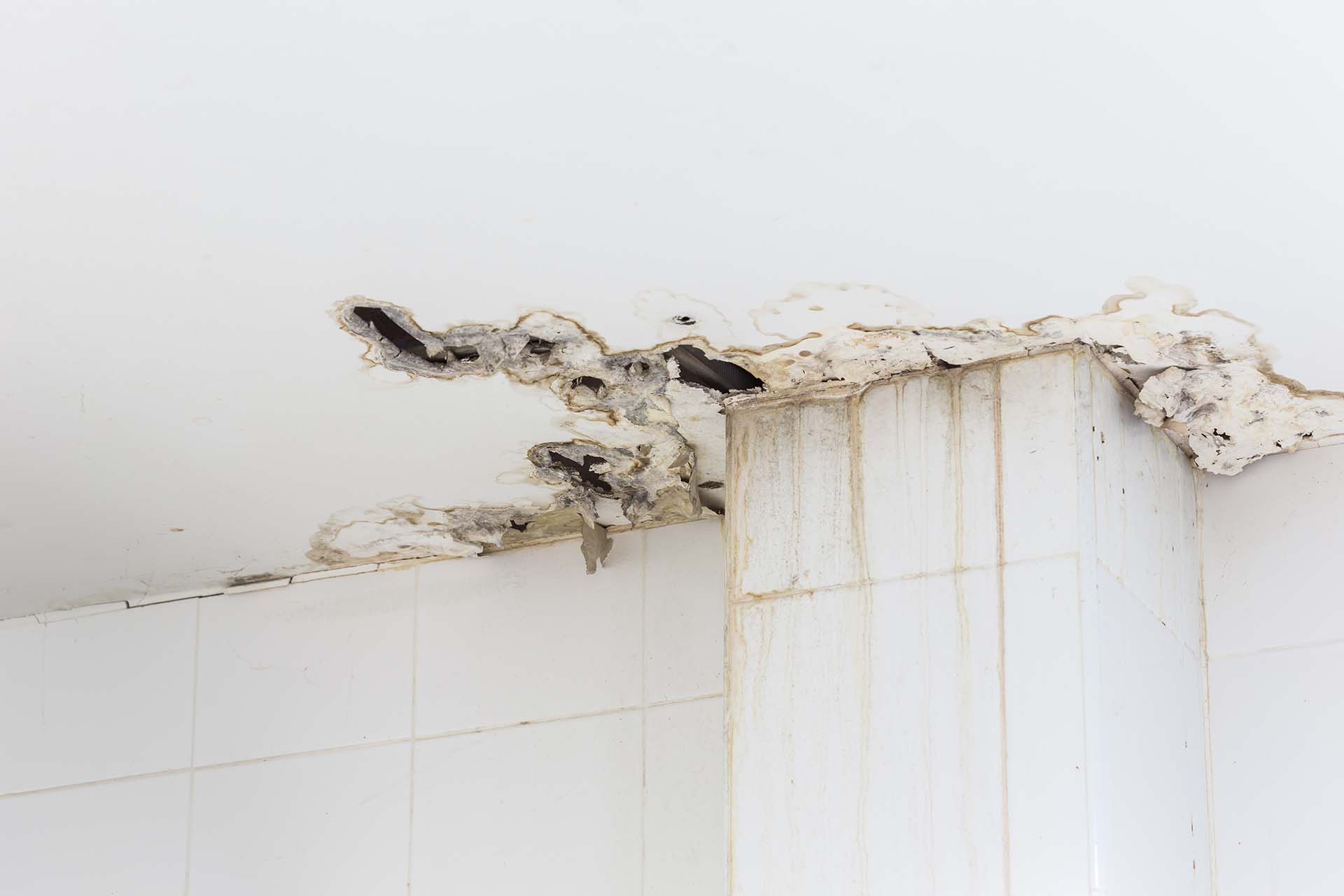
The short answer is yes, and it happens faster than most homeowners expect. That small water stain you noticed on your ceiling back in February? The one that wasn’t actively dripping didn’t seem urgent, and you promised yourself you’d deal with it once the weather warmed up. Spring is precisely when that “small” leak stops being small.
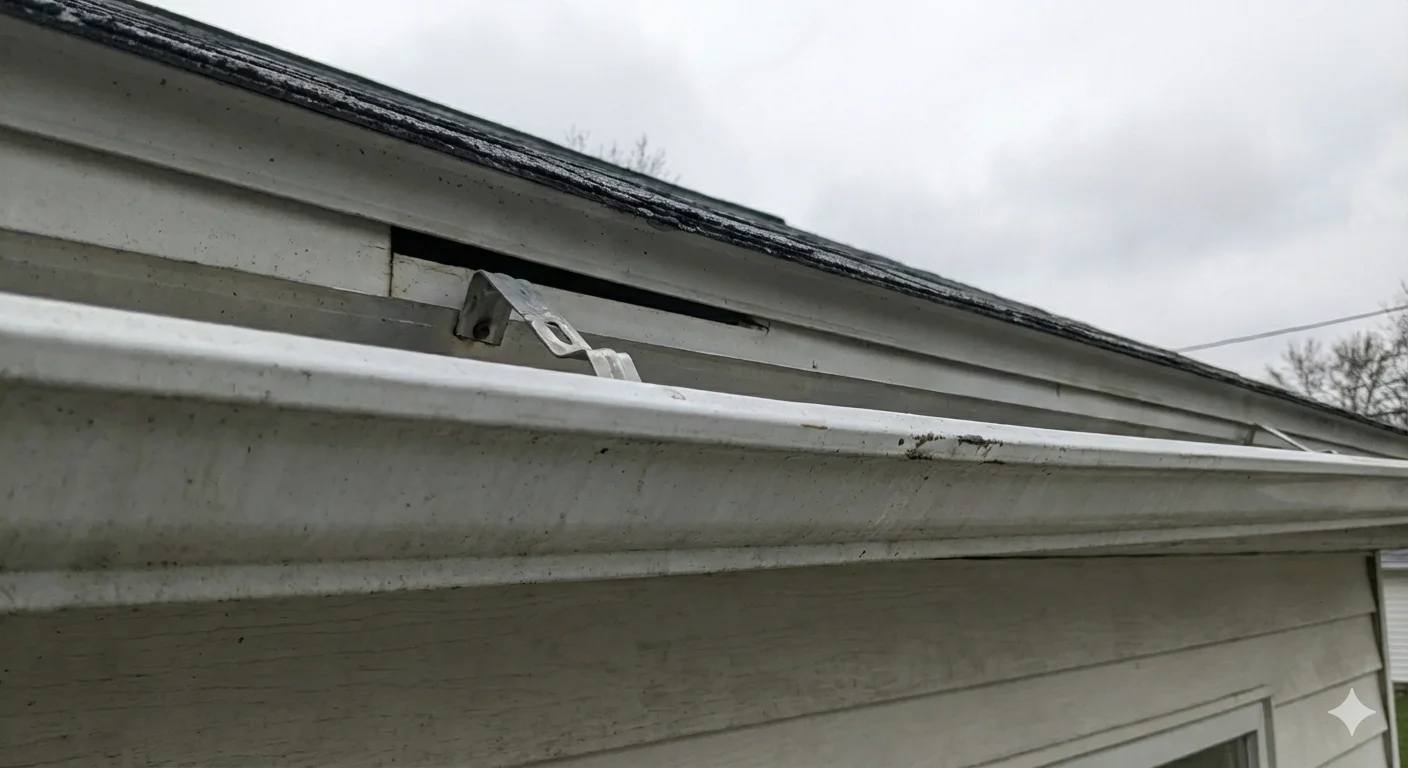
In Ayer, MA, and across Central Massachusetts, the shift from winter to spring is the most punishing stretch of the year for residential roofs. Snowmelt accelerates. Rainfall increases. Temperatures swing wildly from day to day. And any weakness your roof developed over the winter, any cracked flashing, lifted shingles, or compromised underlayment, gets exploited with every passing storm.
A leak that costs $300–$600 to fix today can easily become a $5,000–$10,000 repair by summer. Time is the only variable you can control.
Key Takeaways
- Small roof leaks never heal on their own; they get worse with every rain event
- Spring snowmelt is more damaging than heavy rainfall because water soaks in slowly over days, not hours
- Mold can begin growing on wet attic wood within 24–48 hours of moisture exposure
- Most spring leaks cost $150–$600 to repair when caught early
- Waiting through spring can push total repair costs past $10,000, including mold remediation
- Brian M. LeBlanc Roofing offers free estimates and 24/7 emergency service across Ayer and all of Central Massachusetts
Why Spring Is the Most Dangerous Season for a Leaking Roof
Most homeowners assume winter is the hardest season on a roof. That’s understandable. Snow loads are heavy, temperatures are brutal, and ice dams are a visible, dramatic problem. But here’s the reality: winter is when damage quietly forms. Spring is when it violently spreads.
In Ayer, MA, and across Middlesex County, three forces converge every March through May to turn minor roof vulnerabilities into active, expensive leaks.
1. Snowmelt Creates Slow, Sustained Water Intrusion
When daytime temperatures creep above freezing and nights drop back below, the snow sitting on your roof goes through repeated melt-and-refreeze cycles. This process is actually more damaging than a rainstorm, and here’s the critical reason why.
Rain hits hard and drains quickly. Snowmelt seeps in slowly and continuously, sometimes over the course of several days.
That sustained moisture is forced into every lifted shingle edge, every cracked flashing seal, and every micro-gap in the underlayment that formed over winter. By the time a water stain appears on your ceiling, water has often been traveling through the roof cavity for days before you ever notice a thing.
This is why a roof that held up through three months of heavy snow can suddenly start leaking in March. The damage was already there, hidden, quiet, and growing. Spring just activates it.
2. Ice Dams Leave a Structurally Weakened Roof Behind
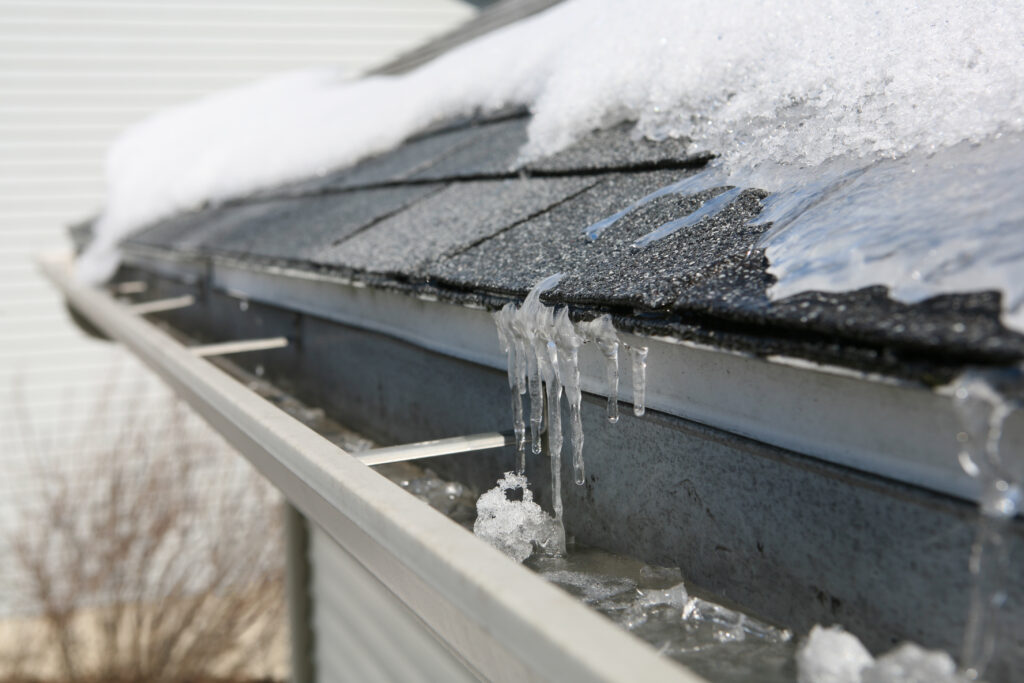
Ice dams are a well-known problem for Central Massachusetts homeowners. What most people miss is what they leave behind after they melt.
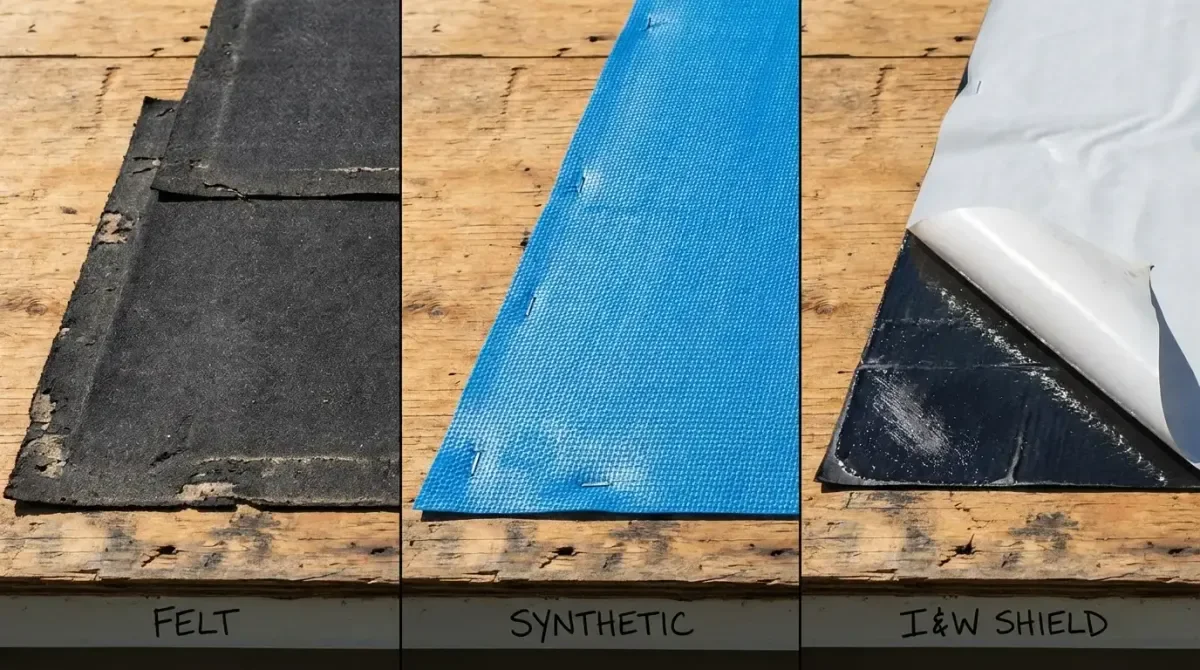
When an ice dam forms at the roof eave, it forces water to back up under the first few rows of shingles. That backed-up water saturates the self-adhering ice and water shield at the roof edge, the felt or synthetic underlayment beneath the shingles, and the OSB or plywood roof decking below that. Even after the ice dam melts completely and disappears, those materials remain compromised, structurally weaker, and far more vulnerable to water intrusion.
Come spring rains, water finds those weakened zones immediately. A winter problem that appeared to resolve itself becomes a fresh leak the moment April showers arrive.
3. Spring Rainfall in Ayer, MA, is Significant
Middlesex County averages 4 to 5 inches of rainfall per month in April and May, the wettest months of the entire year in Massachusetts. That rainfall lands on a roof already stressed from months of snow load, freeze-thaw cycling, and ice dam pressure. Any cracked shingle, separated flashing, or granule-depleted valley becomes an active water entry point with every storm that rolls through.
4. Freeze-Thaw Cycles Physically Expand Every Existing Crack
Water expands by approximately 9% when it freezes. That means any micro-crack that collected water over winter has been repeatedly and physically widened by this expansion pressure. A hairline gap in October becomes a meaningful opening by April.
This is especially common at these high-failure zones:
- Pipe boots and roof penetrations rubber seals crack and pull away
- Step flashing along dormers and sidewalls, caulking shrinks and separates with repeated temperature swings
- Ridge caps freeze-thaw cycles loosen the adhesive bond between shingle tabs
- Roof valleys where two planes meet, and granule loss from ice is most severe
How Fast Can a Small Leak Get Worse? A Real Damage Timeline
This is the question Ayer, MA, homeowners ask most often. The honest answer: faster than you expect, and more expensively than you want.
Time Frame | What’s Happening Inside Your Roof |
Week 1–2 | Ceiling stain appears; insulation begins absorbing moisture |
Month 1 | Insulation loses thermal R-value; wood decking begins to soften |
Month 2–3 | Mold spores colonize damp insulation and roof framing |
Month 4–6 | Structural wood rot sets in; drywall may sag or bubble |
6+ Months | Full decking replacement likely required; mold remediation necessary |
A leak costing $300–$600 to repair in April can cost $5,000–$10,000+ to remediate by August. The only variable separating those two numbers is time.
Roof Leak Repair Costs in Massachusetts: Early Action vs. Delay
Timing is the single biggest cost driver in any roof leak repair. The table below shows how quickly costs escalate when repairs are postponed.
Repair Type | Caught Early (Spring) | Delayed 3–6 Months | Fully Neglected |
Flashing re-seal | $150 – $400 | $400 – $900 | Replacement required |
Shingle section repair | $250 – $600 | $600 – $1,500 | Full section replacement |
Pipe boot/penetration seal | $200 – $500 | $500 – $1,000 | Decking damage likely |
Valley repair | $500 – $1,200 | $1,500 – $3,000 | Structural repair needed |
Decking replacement | $1,500 – $4,000 | $4,000 – $8,000 | Full tear-off required |
Mold remediation (attic) | Preventable | $1,500 – $4,000 | $3,000 – $10,000+ |
A leak repaired in April typically costs 80–90% less than the same leak addressed after an entire spring season of unchecked moisture damage. That’s not a small margin; that’s the difference between a few hundred dollars and a five-figure restoration project.
Warning Signs Your Small Leak Is Already Getting Worse
Don’t wait for an active drip before taking action. These signs indicate that damage is already progressing inside your roof system, often in places you can’t see from the ground.
Inside Your Home:
- Water stains on the ceiling that are growing in size or changing shape over time
- Paint that is bubbling, peeling, or blistering in isolated patches near the roofline
- A soft or spongy feel when pressing on drywall near exterior walls or skylights
- A persistent musty odor in upper rooms, even without visible water
In Your Attic:
- Daylight is visible through the roof decking boards
- Dark streaking or staining on rafters and sheathing
- Insulation that feels wet, compressed, or unusually matted
- Any black, green, or white fuzzy growth on wood surfaces is mold, and it requires immediate attention
On the Exterior (Visible from the Ground):
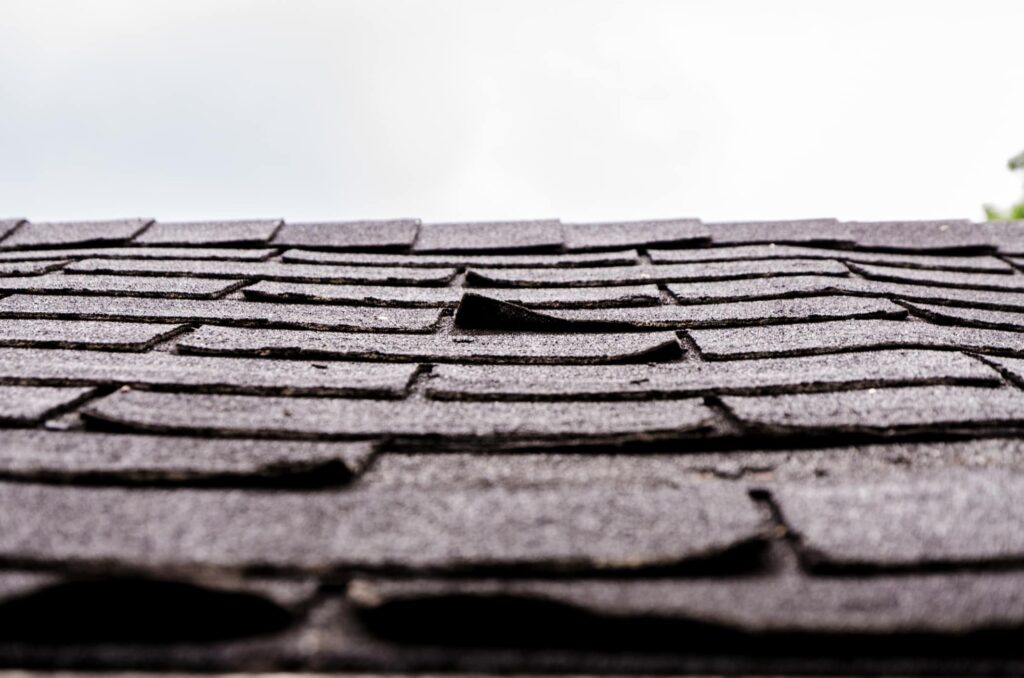
- Missing, curled, or cracked asphalt shingles
- Granule deposits are collecting in gutters or at downspout exits
- Lifted or separated flashing at chimneys, vents, or skylights
- Visible sagging or dipping along the roofline
If you see two or more of these signs together, damage has already progressed beyond a surface-level repair. Call a professional immediately; every day of delay increases the scope of what needs to be fixed.
Does a Small Roof Leak Need Immediate Repair?
Yes. There is no safe “wait and see” period for a roof leak. Here is the technical reality every Ayer, MA, homeowner needs to understand:
A roof leak never heals itself. Dry weather hides the problem temporarily. The entry point stays open. Saturated insulation stays wet. Degraded wood continues to rot even when there’s no rain falling.
A single lifted shingle tab or pinhole flashing gap can allow up to 1 gallon of water per hour into your roof cavity during a moderate rainstorm. Water also doesn’t fall straight down. Once it enters your roof, it travels along rafters, joists, and decking before it drips. The visible stain on your ceiling is often 8 to 10 feet away from the actual entry point. That means the damage is almost always more widespread than what you can see.
And mold? Mold spores can begin colonizing wet wood surfaces in as little as 24 to 48 hours after moisture exposure. This isn’t a slow process. The repair window isn’t “after the next storm.” The repair window is now.
How to Temporarily Limit Damage Until a Roofer Arrives
If you’ve spotted a leak and you’re waiting on a professional inspection, these four steps can help limit interior damage in the meantime.
Safety First: Never walk on a wet roof. Do not attempt shingle repairs yourself. Improper DIY patching can void your manufacturer’s warranty and create additional water entry points.
Step 1: Contain the drip. Go into the attic, locate the wet area, and place a bucket beneath any active drips. Wear gloves before handling wet insulation.
Step 2: Apply interior tape. Self-adhesive bitumen tape applied to the underside of wet sheathing from inside the attic can temporarily slow water intrusion.
Step 3: Secure an exterior tarp. If safely accessible, secure a polyethylene tarp over the affected area on the roof exterior. This prevents additional water entry during the next rain event.
Step 4: Document everything. Photograph all staining, wet areas, and visible damage before anything dries. This documentation is important if you pursue an insurance claim.
These are temporary measures only. They reduce damage while you wait, but they do not fix the underlying problem.
What Does a Spring Roof Inspection Include?
A professional spring inspection by a GAF Certified contractor covers every component of your roofing system from top to bottom:
- Full shingle assessment checking for cracking, curling, blistering, and granule loss across all roof planes
- Flashing inspection step flashing, counter flashing, pipe boots, valley metal, and chimney flashing are all examined
- Underlayment evaluation identifying saturation or separation beneath the shingles
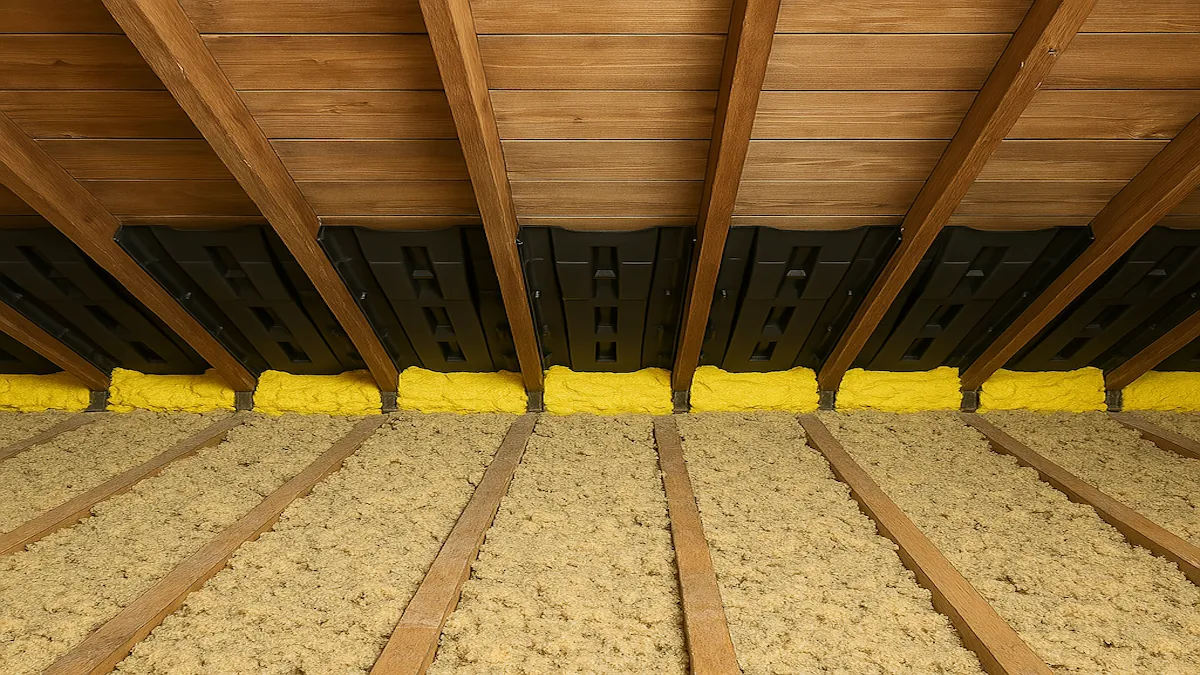
- Attic ventilation check: improper ventilation accelerates moisture damage and significantly shortens roof lifespan
- Ridge and hip cap inspection the highest-traffic area for wind and ice damage during a Massachusetts winter
- Gutter and drainage review: Clogged gutters cause water backup at the eave, one of the most common causes of spring leaks
A thorough inspection takes 45 to 90 minutes. Brian M. LeBlanc Roofing provides this inspection completely free of charge for all homeowners across Ayer, Leominster, Fitchburg, and surrounding Central Massachusetts communities.
Why Ayer, MA Homeowners Choose Brian M. LeBlanc Roofing
Not all roof leaks are the same, and not all roofing contractors are equipped to properly diagnose them. Here’s what sets Brian M. LeBlanc Roofing apart from other contractors in Central Massachusetts.
GAF Master Elite Certified Top 3% in the U.S
Fewer than 3% of all roofing contractors in the United States earn GAF’s Master Elite designation. This certification requires verified licensing, continuous technical training, and a documented record of quality workmanship. When you hire Brian M. LeBlanc Roofing, you’re working with one of the most credentialed roofing contractors in the region.
50-Year Warranty + 10-Year Workmanship Guarantee
Every roofing system we install is backed by a 50-Year Non-Prorated GAF Manufacturer Warranty and our own 10-Year Superior Craftsmanship Guarantee. You’re protected long after we leave your property.
Honest Diagnosis We Fix What's Broken, and Nothing More
We trace leaks to their actual source, not just the visible symptom. Our estimates cover only what genuinely requires repair. We never upsell. We never replace materials that don’t need replacing.
“He was able to determine the exact cause of the leak and fixed only the sections that required attention. Professional, honest, reputable, and fair.”
Amy Vega, Google Review
100+ Verified Reviews Across Central Massachusetts
Our track record is documented by real homeowners in Ayer, Leominster, Fitchburg, Gardner, and surrounding towns. You can read verified reviews on Google and HomeAdvisor to see consistent results across hundreds of completed projects.
24/7 Emergency Roof Leak Response
Leaks don’t wait for business hours. Our team is reachable around the clock for emergency roof repair across Ayer and the entire Central Massachusetts service area. We respond quickly to minimize interior damage.
Deep Local Experience With New England Roofing Conditions
We understand the specific failure patterns that Massachusetts winters create on asphalt shingle roofs. We know exactly where to look, what to look for, and how to fix it right the first time.
The Bottom Line: Spring Is Not the Time to Wait
Every additional week you delay this spring means more snowmelt and rainfall forcing through the same entry point. More moisture is accumulating in insulation and structural framing. A wider window for mold to colonize your attic. And a significantly higher bill when you finally do act.
Caught early, most spring roof leaks are straightforward repairs costing a few hundred dollars. Caught late, those same leaks become multi-thousand-dollar restoration projects involving mold remediation, decking replacement, and interior ceiling repair.
For more details, check our Google My Business Profile. It provides additional tips, photos, and helpful resources to guide homeowners through keeping their homes in top condition.
Don’t let a $400 repair become a $6,000 problem.
📞 Schedule Your Free Spring Roof Inspection in Ayer, MA Today
Brian M. LeBlanc Roofing offers free estimates for homeowners throughout Ayer, Leominster, Fitchburg, Gardner, Bolton, and all of Central Massachusetts and Southern New Hampshire.
📞 Call (978) 506-4411 Available 24/7
🌐 Request a Free Estimate Online →
📍 27 Cherry St, Leominster, MA 01453
FAQs
1: Can a small roof leak really get worse in spring?
Yes, spring is the highest-risk season for small leaks to escalate. Snowmelt, residual ice dam damage, and heavy April–May rainfall force water into every crack that formed over winter. A minor drip in March can become structural rot or attic mold by June if left untreated.
2: Why do roof leaks get worse after winter in Massachusetts?
Massachusetts roofs endure repeated freeze-thaw cycles throughout winter. Water expands by roughly 9% when it freezes, physically widening micro-cracks in shingles, flashing, and underlayment. When spring rain arrives, those widened gaps become active entry points. Ice dam residue also weakens the roof edge, creating a secondary leak zone that surprises many homeowners.
3: How fast can a small leak cause serious damage?
Mold can begin growing on wet wood surfaces within 24 to 48 hours of moisture exposure. Within one to three months, insulation loses thermal effectiveness, and decking begins to soften. By six months, structural rot may require full decking replacement and professional mold remediation.
4: What does roof leak repair cost in Massachusetts?
Common repairs, including flashing re-seals, shingle replacement, and pipe boot repairs, typically cost $150 to $1,200 when caught early. Water-damaged decking replacement runs $1,500 to $4,000. Attic mold remediation can exceed $10,000 if a leak is neglected for an entire spring season.
5: What are the signs that a leak is getting serious?
Watch for ceiling stains that are growing or changing shape, bubbling or peeling paint, a persistent musty odor, wet or compressed attic insulation, dark staining on rafters, and any visible mold on wood surfaces. Two or more of these signs together mean damage has already spread beyond the surface.
GAF Certified Master Elite Contractor | 50-Year Manufacturer Warranty | 10-Year Workmanship Guarantee