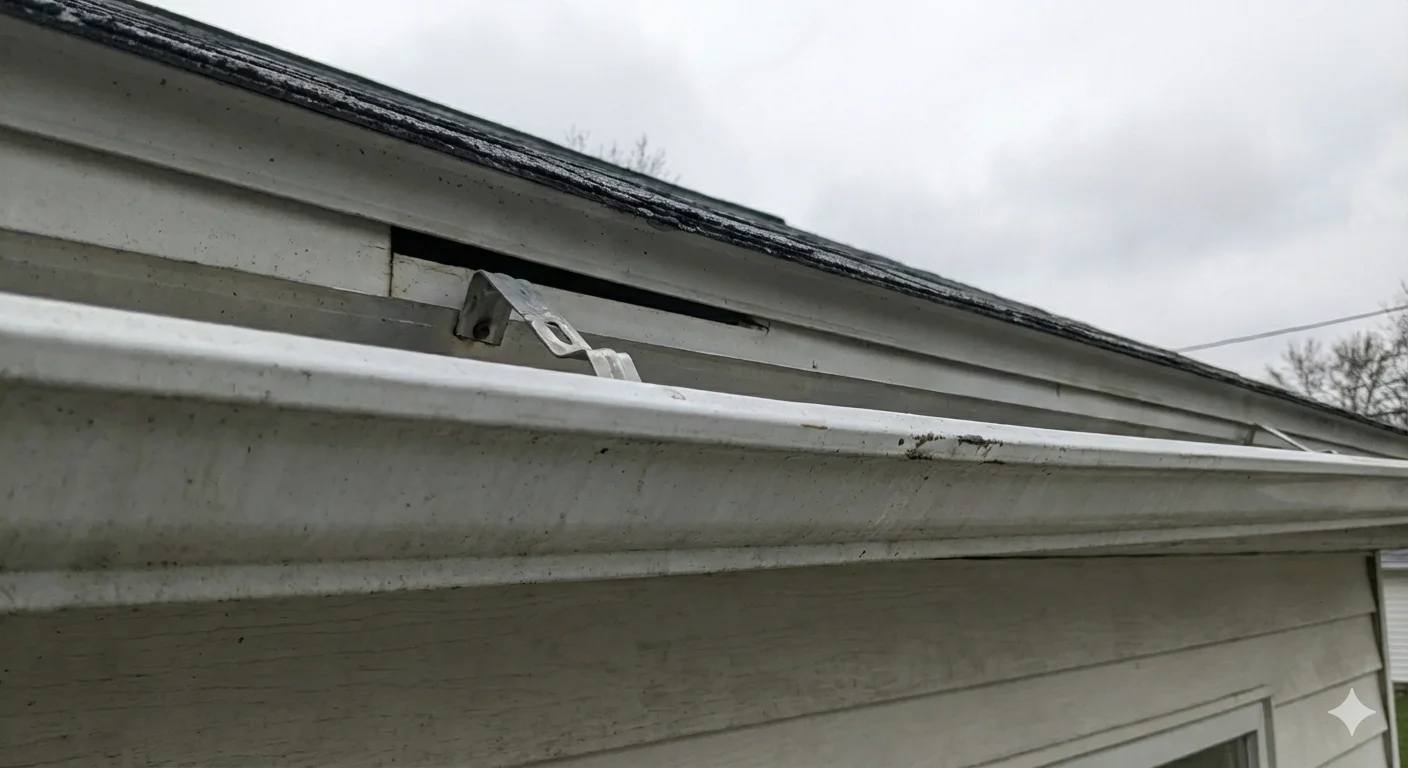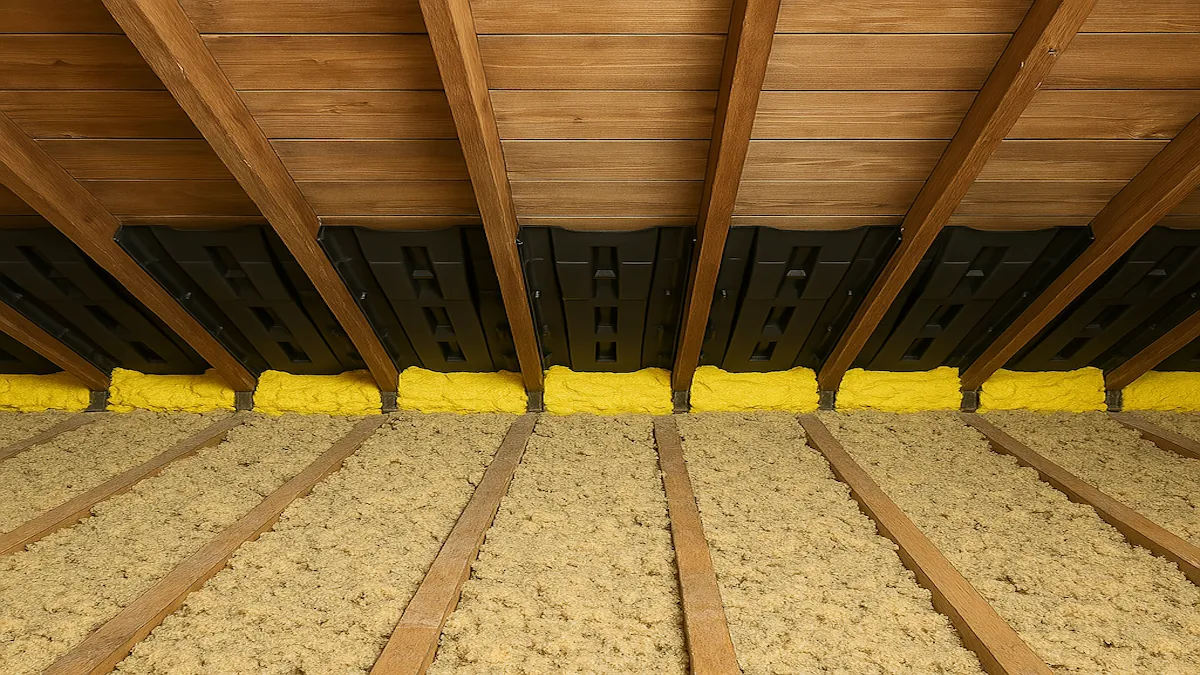

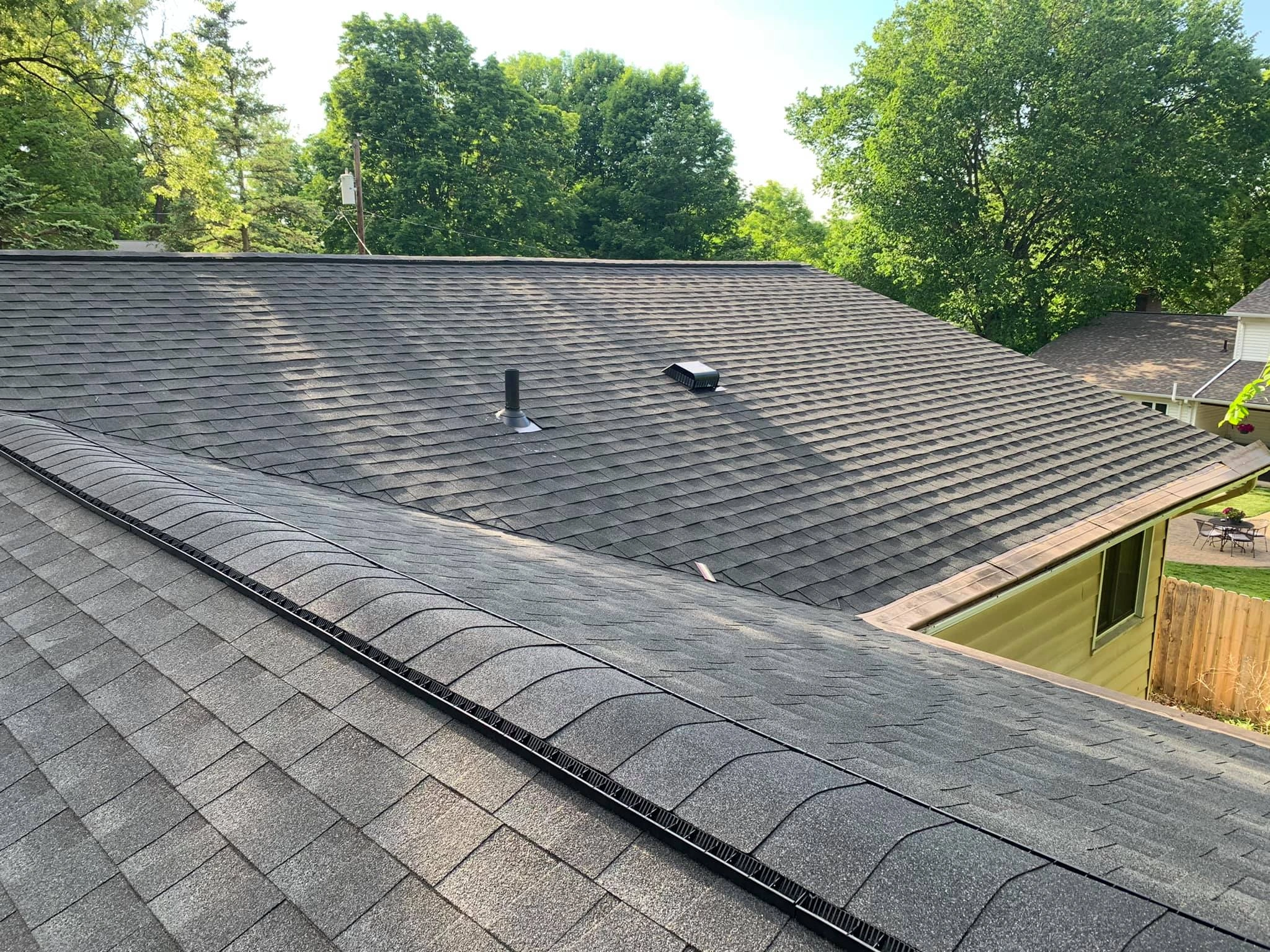
In the ridge vent vs soffit vent vs box vent comparison: ridge vents exhaust hot air along the roof peak, soffit vents pull in cool air at the eaves, and box vents give individual exhaust points for roofs without a continuous ridge. Most homes need ridge and soffit vents working together for balanced airflow.
Homeowners in Leominster, MA face harsh winters and humid summers. These conditions make proper attic ventilation essential, not optional.
Choosing between a ridge vent, soffit vent, and box vent affects your roof’s lifespan. The wrong setup causes ice dams, mold, and early shingle failure. This guide explains each option so you can protect your home.
What Is Roof Ventilation and Why It Matters
Roof ventilation moves air through your attic using intake and exhaust vents. Cool air enters low. Warm, moist air exits high.
Without this exchange, heat and moisture become trapped. Trapped moisture leads to mold, rot, and higher energy bills.
- Intake vents draw fresh air in, usually through the soffit.
- Exhaust vents release hot, humid air near the roof peak.
Ridge Vent vs. Soffit Vent vs. Box Vent: The Core Differences
Understanding ridge vent vs soffit vent vs box vent starts with their location. Each vent type serves a different role in the airflow system.
Ridge Vents
- Installed along the entire roof peak for continuous exhaust.
- Best for simple gable roofs with a long ridge line.
- Requires an external baffle in snowy climates like Massachusetts.
Soffit Vents
- Installed under the roof eaves as the main intake source.
- Often blocked by insulation during attic upgrades.
- Rafter baffles keep airflow clear year-round.
Box Vents
- Individual exhaust units placed near the roof peak.
- Ideal for hip roofs or homes without a continuous ridge.
- Sheds snow better than ridge vents but creates less even airflow.
Types of Roof Ventilation Systems
Beyond the ridge vent vs soffit vent vs box vent comparison, other ventilation types exist:
- Gable vents are placed in the wall triangle at the roof’s end.
- Turbine vents use wind power to spin and pull air out.
- Powered attic fans use electricity for forced-air exhaust.
- Drip-edge vents intake option for roofs without soffit space.
Do I Need Soffit Vents With Ridge Vents?
Yes. A ridge vent needs soffit vents to function correctly. Without intake air, a ridge vent cannot exhaust properly.
Some shingle warranties, including GAF’s, require balanced ventilation. Skipping soffit vents can void that coverage.
Signs of Bad Roof Ventilation
Poor ventilation shows up gradually. Watch for these signs:
- Ice dams forming along your roof’s edge in winter.
- Curling or blistering shingles from trapped heat.
- Musty smells or visible mold inside the attic.
- Frost on the roof deck during cold months.
- Rising cooling bills in summer months.
- Sagging or soft roof deck from long-term moisture.
- Buckling siding near the roofline.
How Many Roof Vents Do I Need?
Most roofs follow the 1-in-150 rule. This means 1 square foot of net free area per 150 square feet of attic floor.
Example Calculation
- Attic floor area: 1,500 square feet
- Required net free area: 10 square feet total
- Split: 5 square feet intake, 5 square feet exhaust
A professional inspection confirms your exact vent count. Guessing often leads to under-ventilated attics.
Ventilation Cost & Factors
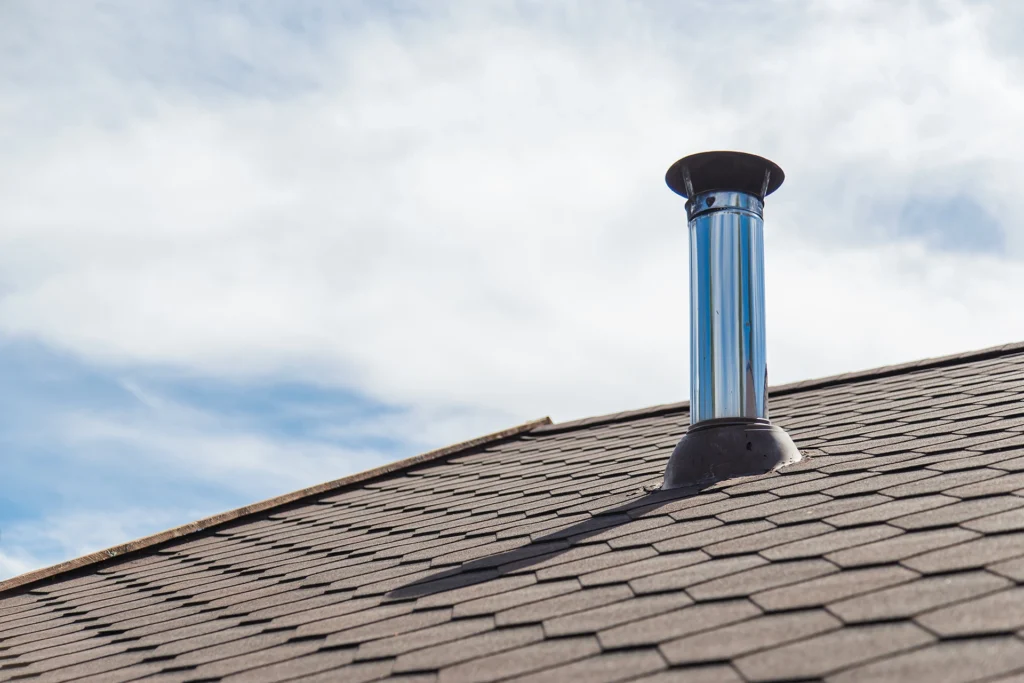
Ridge vent, soffit vent, and box vent pricing varies by material and labor.
- Ridge vents: $4 to $8 per linear foot installed.
- Soffit vents: $60 to $150 per vent installed.
- Box vents: $75 to $150 per unit, 4 to 8 units typical.
- Rafter baffles: $3 to $8 per bay, low added cost.
Roof pitch, attic size, and soffit condition affect final pricing. A free on-site estimate gives you an accurate number.
Why Choose Brian M. LeBlanc Roofing
Brian M. LeBlanc Roofing is a licensed, insured, GAF-certified roofing company based in Leominster, MA. We serve homeowners and businesses throughout Central Massachusetts and Southern New Hampshire, including Leominster, Fitchburg, Gardner, Lunenburg, Worcester, Marlborough, and surrounding communities.
Here is what separates us from general contractors and national chains:
- Comprehensive roof inspections: Every roofing project begins with a detailed inspection to identify leaks, storm damage, ventilation issues, flashing failures, and other roofing concerns before work begins.
- Dedicated project manager: Every customer is assigned a dedicated project manager who oversees the project from inspection through final walkthrough, providing clear communication and personalized recommendations.GAF-certified roofing expertise: Our team is trained and certified by GAF and follows manufacturer installation standards to build roofing systems designed for long-term performance in New England weather.
- Licensed and insured: We are fully licensed and insured, giving homeowners confidence that every roofing project meets professional and safety standards.
- Industry-leading warranty protection: We install complete GAF roofing systems backed by up to a 50-year limited manufacturer’s warranty and a 10-Year Superior Craftsmanship Guarantee on labor.
- Experienced roofing professionals: Brian M. LeBlanc Roofing has more than 20 years of construction experience, supported by a highly trained team committed to quality workmanship and customer satisfaction.
- Transparent roofing process: From the initial consultation to the final quality inspection, we keep homeowners informed with detailed proposals, project updates, and quality assurance every step of the way.
Conclusion
Choosing between ridge vent, soffit vent, and box vent options shapes your roof’s future. Balanced intake and exhaust protect against ice dams, mold, and early shingle wear.
For more details, check our Google Business Profile. It provides additional tips, photos, and helpful resources to guide homeowners through keeping their homes in top condition.
Contact us today to schedule your inspection or get a free quote.
Frequently Asked Questions
1. In the ridge vent vs soffit vent vs box vent debate, which is better?
Ridge vents provide the most balanced, continuous ventilation on simple roof designs. Box vents are often the better choice for complex or hipped roofs where ridge vents are not practical.
2. Can I mix ridge vents and box vents on one roof?
No. Mixing different exhaust vent types can short-circuit attic airflow and reduce ventilation performance. Most roofing professionals recommend using only one exhaust system.
3. Do soffit vents work without a ridge vent?
No. Soffit vents need an exhaust vent, such as a ridge vent or box vent, to create proper airflow. Without an exhaust vent, fresh air cannot circulate effectively.
4. How much does roof ventilation cost in Massachusetts?
Most Massachusetts homeowners pay between $500 and $1,500, depending on the roof size and ventilation system installed. Costs vary based on labor and vent type.
5. Can bad ventilation cause ice dams?
Yes. Poor attic ventilation traps heat, causing snow to melt unevenly and refreeze at the eaves. This creates ice dams that can damage shingles, gutters, and roof decking.