Quick Answer: To remove algae and moss from roof shingles, spray a 50:50 mix of laundry-strength bleach and water with a low-pressure sprayer. Let it sit 15 to 20 minutes. Rinse gently from the top down. Never pressure wash asphalt shingles.
Black streaks and green moss can quietly shorten the life of your roof. This guide explains how to remove algae and moss from roof shingles safely, without risking your warranty. It is written for homeowners in Leominster, Worcester, and across Central Massachusetts.
Key Takeaways
- Identify first. Algae, moss, and lichen need different treatments.
- Skip the pressure washer. It strips granules and can put your warranty at risk.
- Use a soft wash. A low-pressure bleach solution is the industry-recommended method.
- Prevent regrowth. Trim trees, clean gutters, and consider zinc strips or algae-resistant shingles.
What Is Growing on Your Roof?
Before you remove algae and moss from roof shingles, identify what is actually there. Each growth looks different and needs a different approach. Guessing wrong wastes money and can damage shingles.
Growth | What It Looks Like | How It Feels | Damage Risk | Best Approach |
Algae | Black or dark brown streaks down the slope | Flat, no texture | Low to moderate | Soft wash, rinse, let rain finish |
Moss | Thick green clumps in seams and along edges | Soft, spongy, raised | High | Kill first, then remove gently top-down |
Lichen | Pale green or gray crusty patches | Hard and crusty | Moderate to high | Treat and wait; never scrape |
Mildew or mold | Fuzzy dark spots in damp, shaded areas | Slightly fuzzy | Low; signals moisture | Soft wash and fix the moisture source |
Black Streaks on Roof Shingles: What Causes Them?
Black streaks on roof shingles are caused by a blue-green algae called Gloeocapsa magma. It feeds on the limestone filler in asphalt shingles. Its dark protective coating is what you see as streaks.
The algae spreads through airborne spores. It grows fastest where roofs stay damp and shaded:
- North-facing slopes that get little direct sun
- Roofs under tall trees, common on wooded Central MA lots
- Areas below valleys and dormers, where water drains slowly
- Humid summer weather, which New England sees every year
Moss: The Growth That Causes Real Damage
Moss is the main reason homeowners need to remove algae and moss from roof shingles quickly. It grows root-like strands called rhizoids into shingle seams.
As moss thickens, it lifts shingle edges and holds water like a sponge. That makes moss far more harmful than algae.
In Massachusetts winters, trapped water freezes and expands. This pries shingles further apart. Over time, a small moss patch can turn into a roof leak.
Lichen: The Hardest Growth to Remove
Lichen is a partnership between a fungus and algae. It bonds tightly to the shingle surface. Scraping it off tears away protective granules, so it must be treated and left to release on its own.
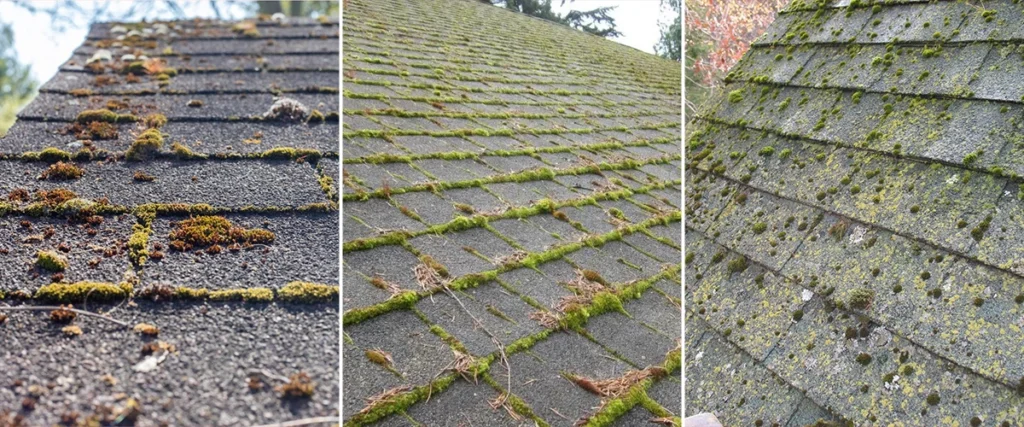
Why Algae and Moss on Roof Shingles Cause Damage
Algae on roof shingles starts as a cosmetic problem. Moss and lichen cause physical damage much sooner. If you leave any of them alone, expect these problems:
- Granule loss: granules shield asphalt from UV rays, so shingles age faster without them.
- Lifted shingles: moss breaks the seal between rows and lets wind and water underneath.
- Freeze-thaw damage: trapped water freezes and widens gaps each winter. Heavy snow adds stress, so remove snow from your roof safely.
- Clogged gutters: dead moss washes into gutters and downspouts, which can worsen ice dams on your roof in winter.
- Higher attic heat: dark growth absorbs more sunlight in summer.
- Lower curb appeal: streaks stand out to buyers and home inspectors.
Does Pressure Washing Damage a Roof?
Yes. Never pressure wash an asphalt shingle roof. The Asphalt Roofing Manufacturers Association (ARMA) warns it causes granule loss and very likely premature roof failure.
Here is what high-pressure water does to shingles:
- It blasts off the granules that protect the asphalt.
- It drives water up and under the shingle laps.
- It can break the adhesive seal between shingle rows.
- It often leaves algae alive, because water alone does not kill it.
Your warranty is also at risk. High-pressure washing is aggressive enough to void the warranty on new roofs. Read the maintenance terms in your warranty before any cleaning.
The safe way to remove algae and moss from roof shingles is soft washing. It uses a cleaning solution at garden-hose pressure to kill growth instead of blasting it.
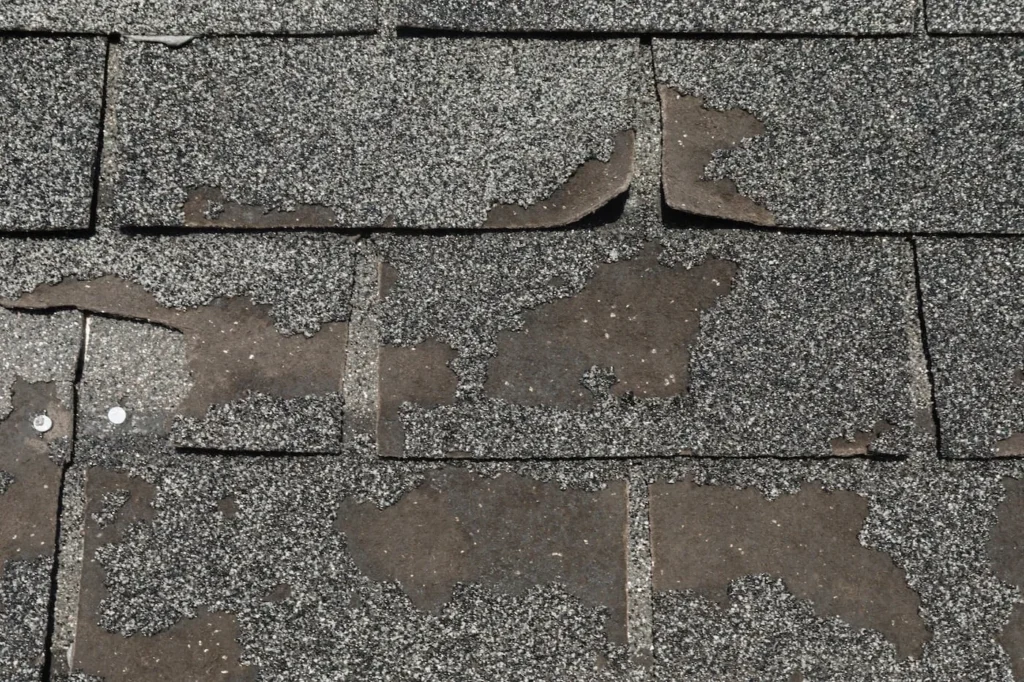
How to Remove Algae and Moss From Roof Shingles: 8 Safe Steps
This is how to remove algae and moss from roof shingles using ARMA guidelines. Read every step before you start. If your roof is steep or more than one story, hire a professional.
Algae- and moss-covered roofs are extremely slippery. A fall is a far bigger risk than any stain.
Supplies You Need to Remove Algae and Moss From Roof Shingles
- Low-pressure pump sprayer (garden or backpack style)
- Laundry-strength liquid chlorine bleach, or a roof-safe commercial cleaner
- Garden hose with a gentle nozzle
- Soft-bristle brush on an extension pole, plus a leaf blower
- Splash goggles, rubber gloves, and long sleeves
- Non-slip shoes and a safety harness for steeper roofs
- Plastic sheeting or tarps to protect plants
Step-by-Step Process
- Pick the right day. Choose a calm, dry, overcast day well above freezing. Never walk on a wet or frosty roof.
- Protect plants, gutters, and metals. Soak plants with plain water and cover delicate ones. Rinse aluminum gutters and copper flashing before and after cleaning.
- Remove loose moss gently. Brush from the top of the roof downward, with the shingle overlap. Never use a scraper, wire brush, or pressure washer.
- Mix the solution. ARMA recommends a 50:50 mix of laundry-strength liquid chlorine bleach and water. Never mix bleach with ammonia or other cleaners.
- Apply in small sections. Spray evenly with a pump sprayer, about 10 by 10 feet at a time. Soak the growth without flooding the yard.
- Let it dwell 15 to 20 minutes. Do not let the solution dry completely. Lightly mist any areas that start to dry.
- Rinse from the top down. Use a garden hose with low pressure, so water flows with the shingle laps. Rinse your plants and gutters again.
- Let rain finish the job. Algae fades over the following weeks. Once moss loosens, clear it with a leaf blower aimed down the slope.
Still seeing streaks after two attempts to remove algae and moss from roof shingles? The stain may be granule loss, not live algae. That is a sign your roof needs a professional inspection.
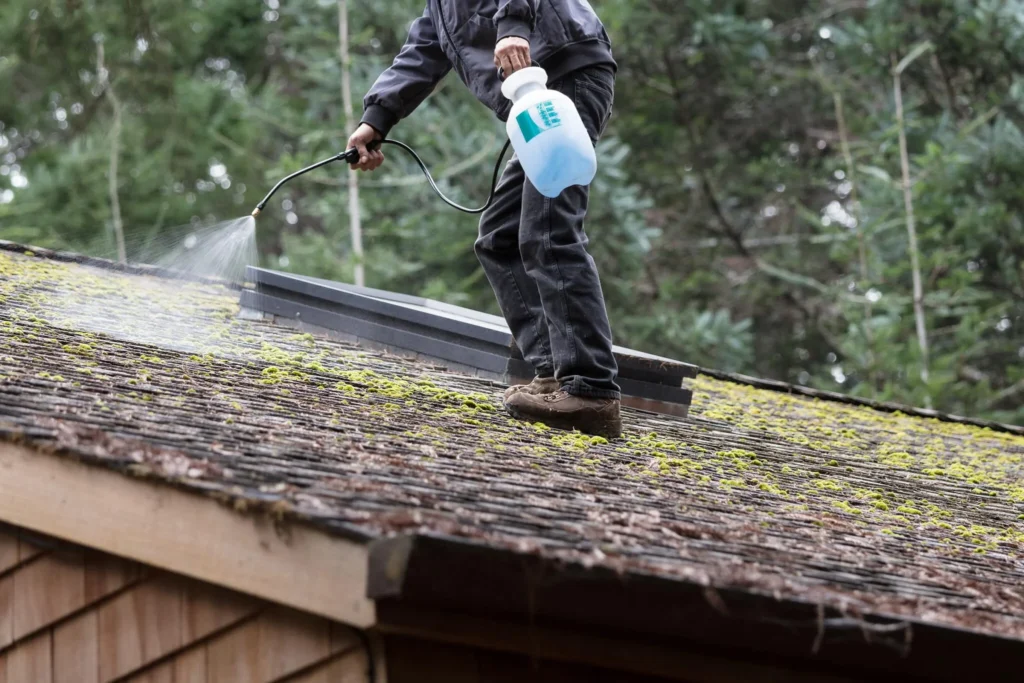
Removing Algae and Moss From Other Roof Types
- Metal roofs: confirm the cleaner is safe for the paint finish and fasteners.
- Cedar shake: use wood-safe products, since strong bleach can dry out cedar.
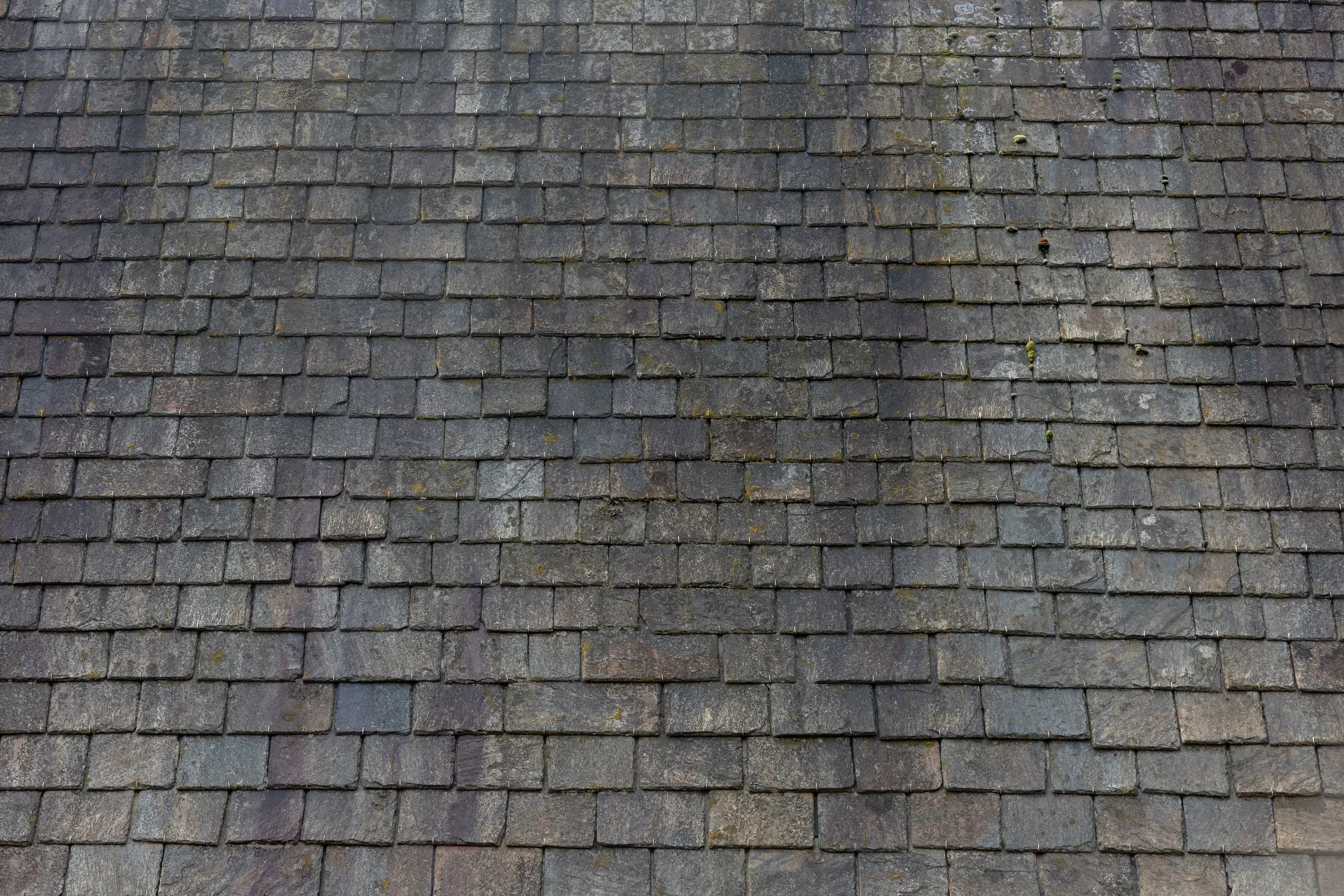
- Slate and tile: these crack underfoot, so leave them to a professional.
- Rubber (EPDM) flat roofs: use cleaners approved for the membrane. Call for professional roof repair if the membrane is torn.
- Solar panels and skylights: avoid overspray and never step near panel edges. Fix leaking skylights before any cleaning.
How to Keep Algae and Moss Off Roof Shingles for Good
Learning how to remove algae and moss from roof shingles solves today’s problem. Prevention keeps growth from returning next season.
- Trim overhanging branches to let in sunlight and reduce debris.
- Clean your gutters at least twice a year so water drains properly.
- Clear debris with a leaf blower, always aimed downhill.
- Redirect upper-roof downspouts. ARMA advises against draining an upper roof directly onto a lower one.
- Check attic ventilation. Proper roof ventilation and flashing keep warm, moist air from collecting under the roof deck.
- Install zinc or copper strips near the ridge to discourage regrowth.
Algae-Resistant Shingles and GAF StainGuard
If your roof is near replacement, the strongest fix is built into the shingles. Algae-resistant shingles contain copper that blocks algae growth over time.
Feature | GAF StainGuard® | GAF StainGuard Plus™ |
Algae warranty | 10-year limited warranty | 25-year limited warranty |
Covers | Blue-green algae discoloration | Blue-green algae discoloration |
Technology | Algae-resistant protection | Time-Release Algae-Fighting Technology with copper-filled capsules |
Example product | Qualifying GAF shingles | Timberline HDZ® shingles |
Requirement | Package must bear StainGuard logo | Package must bear StainGuard Plus logo |
Full terms are in the GAF Shingle & Accessory Limited Warranty. A GAF certified roofing contractor can confirm which products qualify for your home.
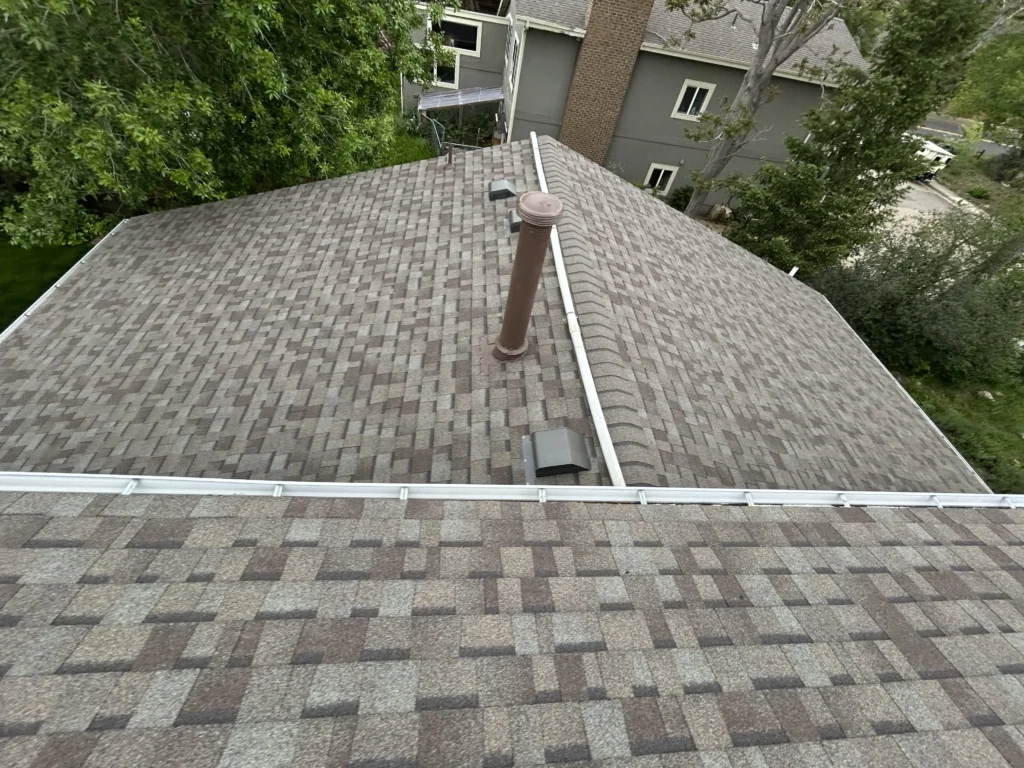
How Much Does Roof Algae and Moss Removal Cost?
Most homeowners pay a few hundred dollars to have a pro remove algae and moss from roof shingles. The ranges below come from national 2025 and 2026 cost guides. Local Central MA quotes may differ.
Service | Typical Cost | Best For |
Standard roof cleaning | About $460 average; most jobs $295 to $624 | Moderate streaking on typical homes |
Soft wash | $0.30 to $0.80 per sq. ft.; about $650 average | Algae and light moss on shingles |
Manual moss removal | $0.60 to $1.00 per sq. ft.; about $1,200 average | Thick, heavy moss |
Zinc strips | $30 to $60 per 50-foot roll, plus installation | Long-term prevention |
Roof replacement | Varies by roof; request a written estimate | Roofs with granule loss, curling, or leaks |
Factors That Affect Your Price
- Roof size: most cleaners price by the square foot.
- Pitch and height: steep or tall roofs need more safety gear and labor.
- Severity: thick moss may need more than one treatment.
- Roof material: cedar, slate, and tile need gentler methods.
- Add-ons: gutter cleaning, shingle repairs, or zinc strips.
When to Replace Instead of Clean
Knowing how to remove algae and moss from roof shingles helps, but cleaning cannot restore worn-out shingles. Ask for an inspection if you notice any of these signs:
- Bare spots where the black fiberglass mat shows through
- Curled, cracked, or lifted shingles
- Granules collecting in gutters or at downspouts
- Water stains on ceilings or in the attic
- A roof over 20 years old with no recent inspection
If several of these signs appear, a full roof replacement may be the better long-term option. We offer free inspections to help you decide.
Why Choose Brian M. LeBlanc Roofing
Brian M. LeBlanc Roofing is a licensed, insured, GAF-certified roofing company based in Leominster, MA. We serve homeowners and businesses throughout Central Massachusetts and Southern New Hampshire, including Leominster, Fitchburg, Gardner, Lunenburg, Worcester, Marlborough, and surrounding communities.
Here is what separates us from general contractors and national chains:
- Comprehensive roof inspections: Every roofing project begins with a detailed inspection to identify leaks, storm damage, ventilation issues, flashing failures, and other roofing concerns before work begins.
- Dedicated project manager: Every customer is assigned a dedicated project manager who oversees the project from inspection through final walkthrough, providing clear communication and personalized recommendations.GAF-certified roofing expertise: Our team is trained and certified by GAF and follows manufacturer installation standards to build roofing systems designed for long-term performance in New England weather.
- Licensed and insured: We are fully licensed and insured, giving homeowners confidence that every roofing project meets professional and safety standards.
- Industry-leading warranty protection: We install complete GAF roofing systems backed by up to a 50-year limited manufacturer’s warranty and a 10-Year Superior Craftsmanship Guarantee on labor.
- Experienced roofing professionals: Brian M. LeBlanc Roofing has more than 20 years of construction experience, supported by a highly trained team committed to quality workmanship and customer satisfaction.
- Transparent roofing process: From the initial consultation to the final quality inspection, we keep homeowners informed with detailed proposals, project updates, and quality assurance at every step.
Conclusion: Protect Your Roof and Your Warranty
Algae and moss do not have to shorten your roof’s life. Identify the growth, skip the pressure washer, and use a low-pressure solution. Then prevent regrowth with trimming, clean gutters, and zinc strips.
For more details, connect with us on Facebook, Instagram, YouTube, and Google Business Profile.
Contact us today to schedule your inspection or get a free quote.
Frequently Asked Questions
1. How do you remove algae and moss from roof shingles?
To remove algae and moss from roof shingles, spray a 50:50 bleach and water mix with a low-pressure sprayer. Let it sit for 15 to 20 minutes, then rinse gently with a garden hose. Never use a pressure washer on asphalt shingles.
2. What causes black streaks on roof shingles?
Black streaks are caused by Gloeocapsa magma, a blue-green algae. It feeds on the limestone filler in asphalt shingles. Its dark protective coating creates the streaks, which often start on shaded, north-facing slopes.
3. Does pressure washing damage a roof?
Yes. The Asphalt Roofing Manufacturers Association warns that pressure washing asphalt shingles causes granule loss and likely premature roof failure. High pressure can also force water under shingles and may void the warranty on newer roofs.
4. Can cleaning my roof void my shingle warranty?
Using the wrong method can put your warranty at risk. Aggressive high-pressure washing can void the warranty on new roofs. Always read the maintenance section of your warranty and use a low-pressure, solution-based method.
5. What is the best solution to kill roof algae?
ARMA names a 50:50 mix of laundry-strength bleach and water as the most effective way to remove algae and moss from roof shingles. Oxygen bleach and slow-acting commercial cleaners are gentler options for light staining.