
Learn why a winter roof maintenance checklist is essential to prevent leaks, damage, and costly repairs. Keep your home safe all winter.
Winter brings snow, ice, wind, and freezing temperatures that can put serious stress on your roof. Many homeowners do not realize how quickly small roofing issues can turn into major problems once winter weather begins. This is where a winter roof maintenance checklist becomes essential.
A well-prepared roof protects your home from leaks, structural damage, and costly repairs. By following the right steps before and during winter, homeowners can prevent issues like ice dams, water intrusion, and damaged shingles. Understanding how to maintain your roof during colder months helps ensure your home stays safe, dry, and energy-efficient.
Brian M. LeBlanc Roofing delivers trusted, high-quality roofing solutions focused on long-term protection and customer satisfaction. Our team provides expert inspections, repairs, and maintenance to keep your home safe in every season.
Why Is a Winter Roof Maintenance Checklist Important for Homeowners?
A winter roof maintenance checklist helps homeowners prepare for harsh weather conditions before they cause damage. Winter conditions, such as snow accumulation, freezing temperatures, and strong winds, can weaken roofing materials and expose hidden vulnerabilities.
When roofs are not properly maintained, small cracks or loose shingles can allow water to enter. Once that water freezes, it expands and worsens the damage. Over time, this leads to leaks, mold growth, and structural problems.
Following a checklist ensures that your roof is inspected, cleaned, and reinforced before winter arrives. It also helps homeowners take proactive steps instead of reacting to emergency repairs.
What Should Be Included in a Winter Roof Maintenance Checklist?
A complete winter roof maintenance checklist includes several important steps that focus on inspection, cleaning, and preparation.
Inspect Roof Before Winter (Shingles, Damage, Flashing)
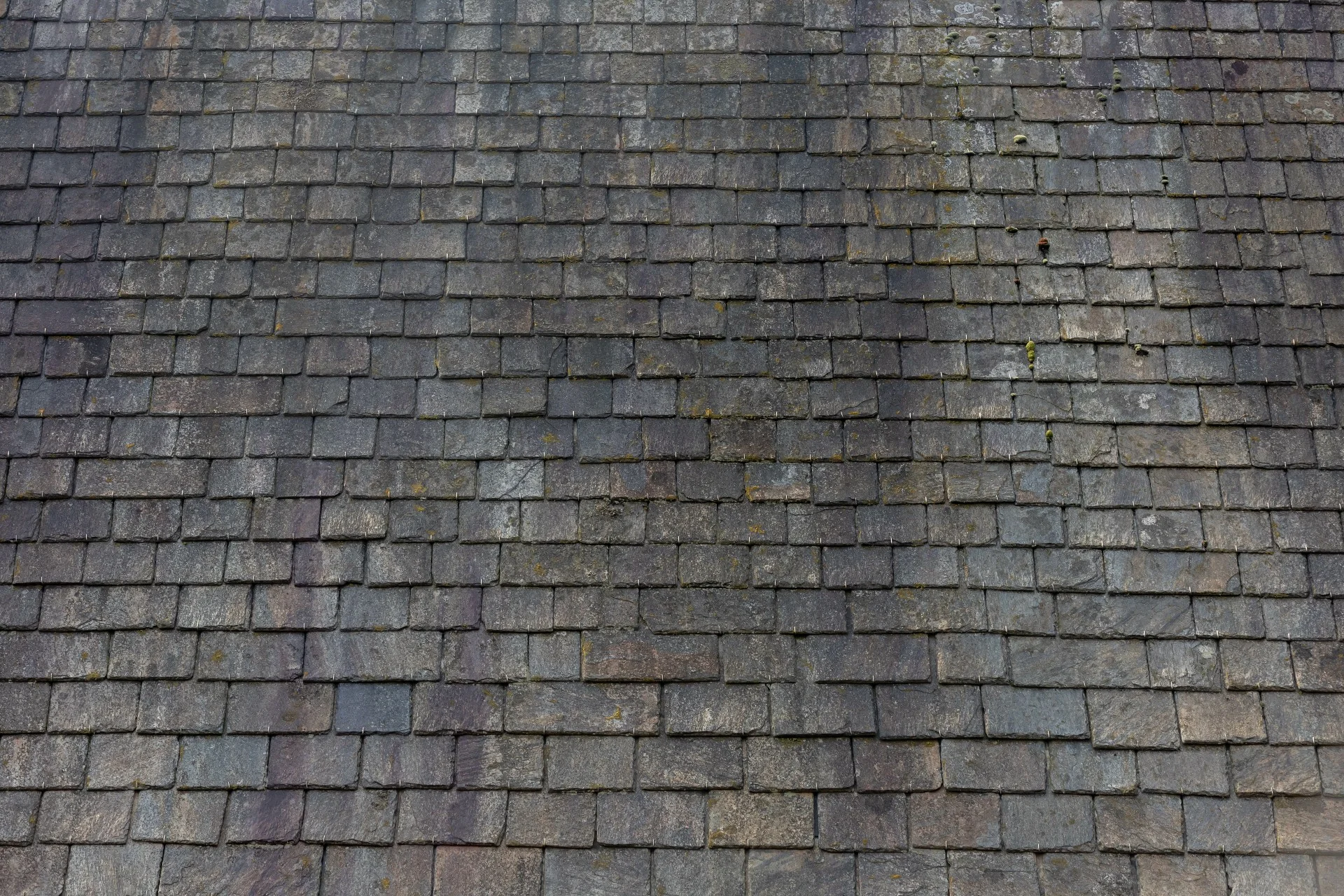
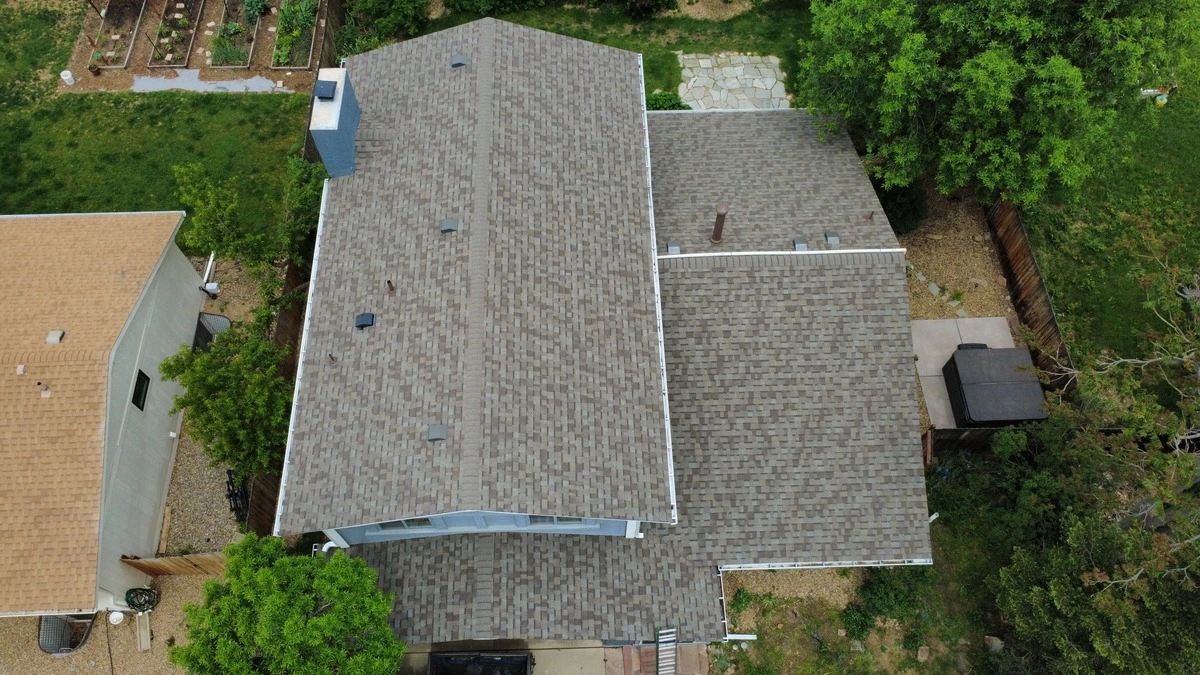
Before winter begins, it is important to inspect your roof for visible damage. Look for missing shingles, cracks, or worn areas that could allow moisture to enter. Flashing around chimneys, vents, and roof edges should also be checked to ensure it is properly sealed. Even small issues can become major problems during winter storms, so early detection is key.
Clean Gutters and Downspouts
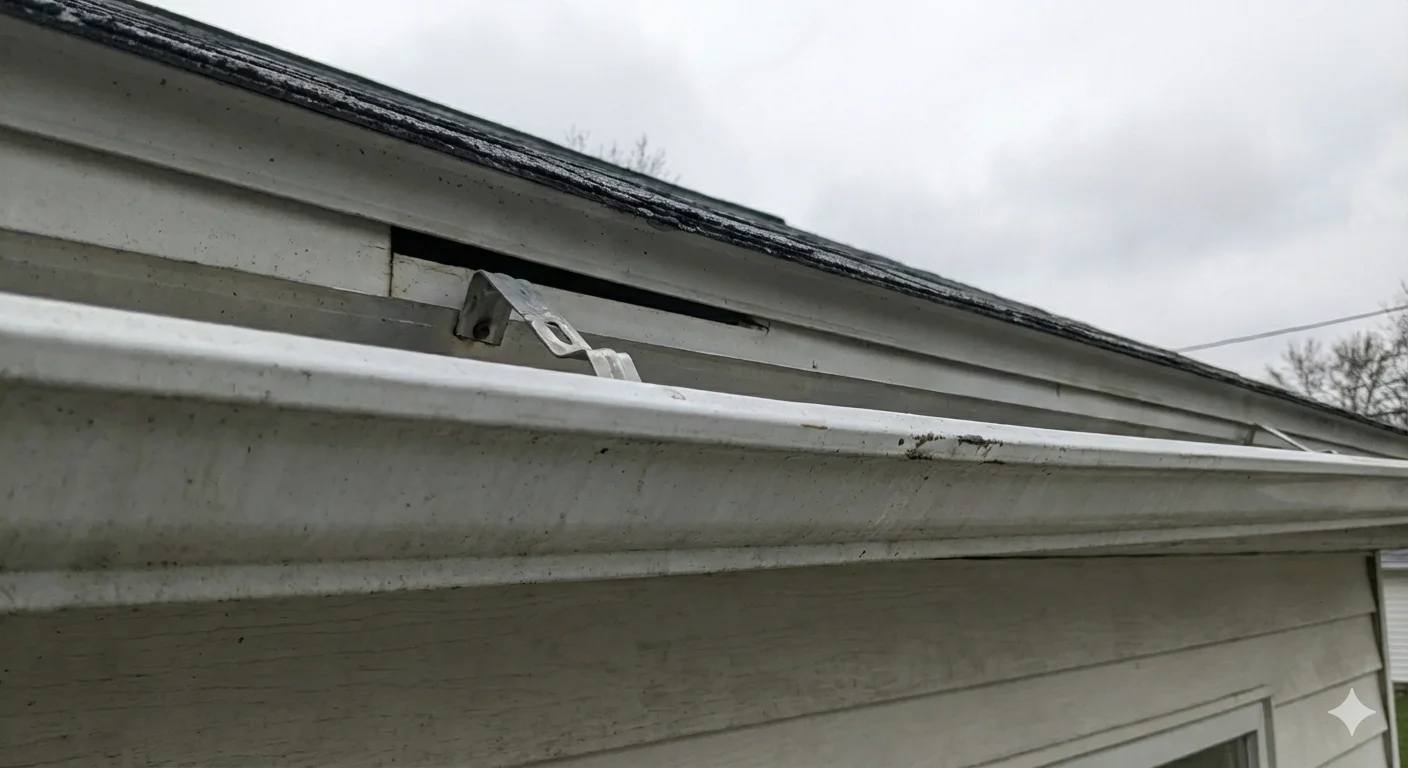
Gutters play a critical role in directing water away from your home. Clogged gutters can cause water to back up onto the roof, leading to leaks and ice dams. Remove leaves and debris from your gutters to ensure proper drainage. Check for loose or sagging sections and repair them as needed. Make sure downspouts are directing water at least 3 feet away from your foundation. Properly maintained gutters help protect both your roof and your home’s structure.
Remove Debris from Roof
Leaves, branches, and dirt can trap moisture on your roof. When temperatures drop, this moisture freezes and can damage shingles. Keeping the roof clean reduces the risk of mold growth, rot, and water buildup.
Trim Overhanging Tree Branches
Tree branches that hang over your roof can cause damage during winter storms. Heavy snow or strong winds can break branches and cause them to fall onto the roof. Trimming these branches helps prevent impact damage and reduces debris accumulation.
Check Attic Insulation and Ventilation
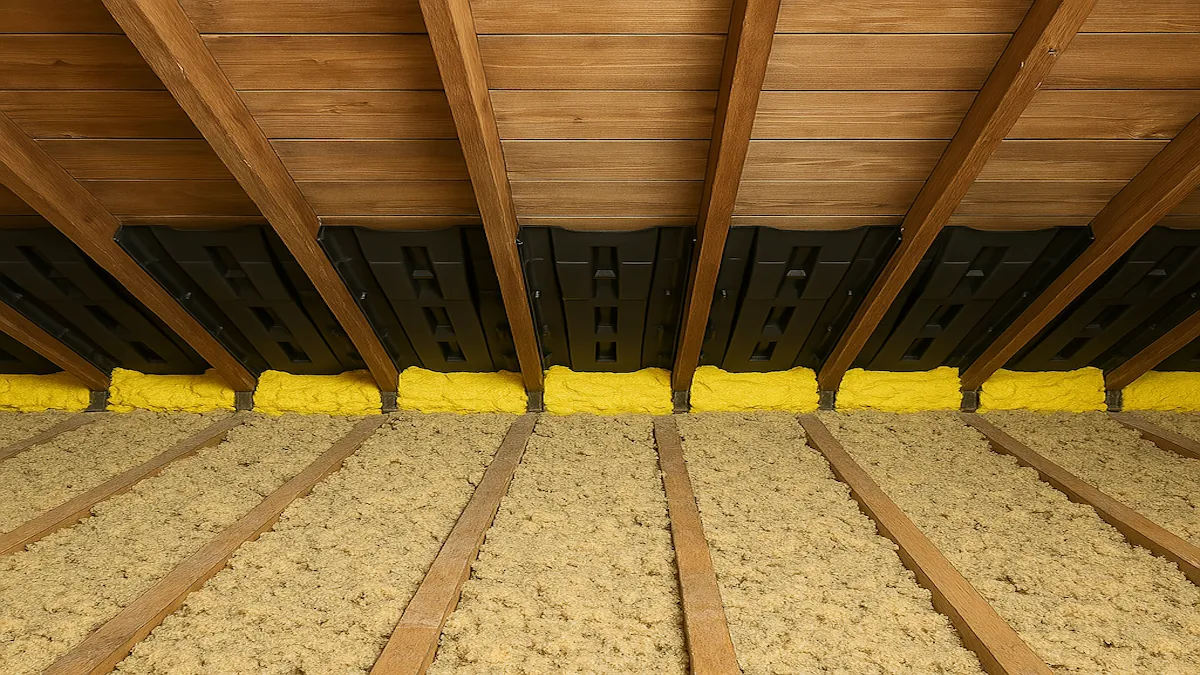
Your attic plays a major role in maintaining roof health during winter. Poor insulation and ventilation can cause uneven roof temperatures, leading to ice dam formation. Proper airflow and insulation help regulate temperature and prevent moisture buildup inside your home.
How to Prevent Winter Roof Leaks and Ice Damage?
Preventing leaks is one of the main goals of a winter roof maintenance checklist. Water intrusion can cause serious damage if not addressed early.
Prevent Ice Dams and Monitor Ice Formation
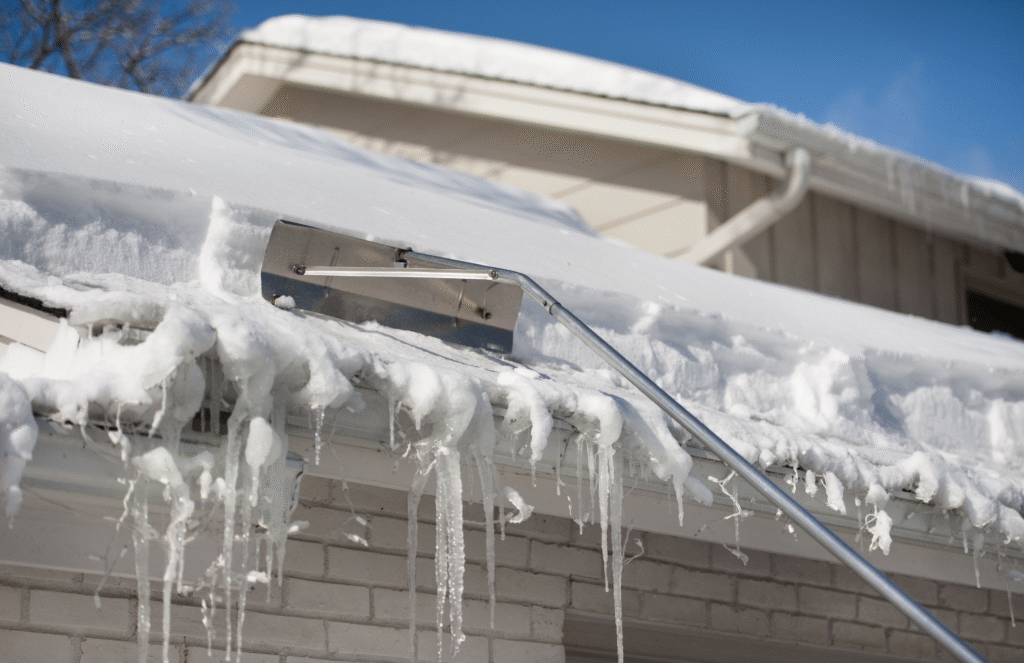
Ice dams form when melting snow refreezes at the edge of the roof, trapping water behind it. This trapped water can seep under shingles and cause leaks. Maintaining proper attic insulation and keeping gutters clear helps prevent ice dams from forming.
Monitor Snow Accumulation and Safe Snow Removal
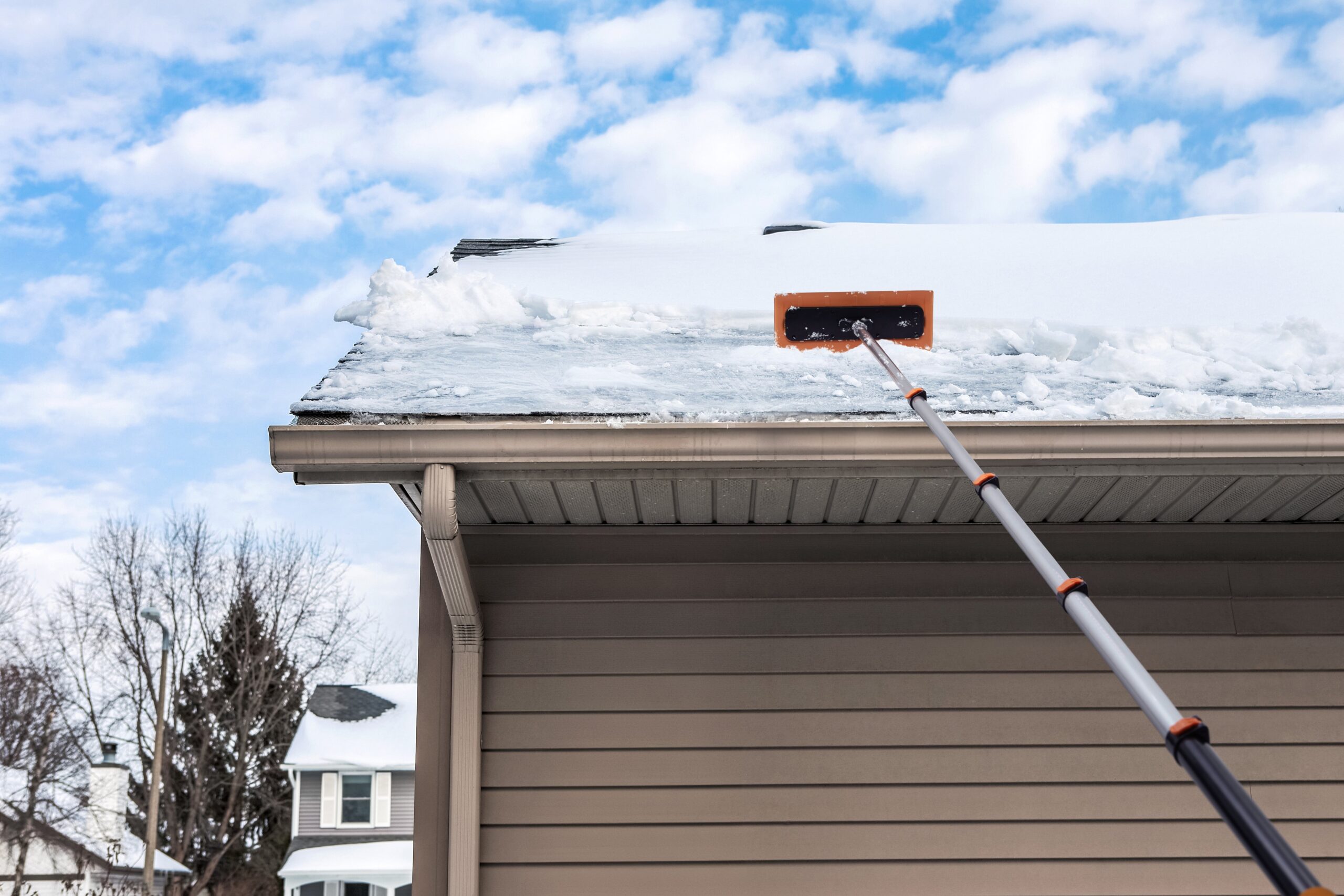
Snow can add significant weight to your roof. Over time, this pressure can weaken the structure and cause damage. Using a roof rake to safely remove excess snow from the ground can help reduce this risk without putting yourself in danger.
Roof Maintenance After Snow and Post Blizzard Roof Checklist
After a heavy snowfall or storm, it is important to check your roof again.
Inspect Roof After Storm Damage
Strong winds and heavy snow can loosen shingles, damage flashing, and create hidden leaks. A quick inspection after a storm helps identify these issues early.
Repair or Replace Damaged Areas
If damage is found, it should be repaired immediately. Delaying repairs can lead to more serious issues as winter continues. Addressing problems early helps extend the life of your roof and prevents costly repairs later.
What Are Common Winter Roofing Problems Homeowners Should Watch For?
A winter roof maintenance checklist helps prevent common issues such as:
Ice dams forming along roof edges, Water leaks entering through damaged shingles, Wind damage causing loose or missing roofing materials, and heavy snow causing structural stress. Understanding these problems allows homeowners to take action before damage becomes severe.
Seasonal Roof Maintenance Tips for Homeowners
Seasonal maintenance helps ensure your roof performs well throughout the year. During winter, regular checks and simple maintenance tasks can make a significant difference. Keep an eye on your roof after storms, remove debris regularly, and address minor issues as soon as they appear. Staying consistent with maintenance reduces the likelihood of emergency repairs.
Signs Your Roof Needs Immediate Winter Repair
Sometimes, problems develop quickly and require immediate attention. Common warning signs include water stains on ceilings, visible roof damage, or unusual drafts inside your home. Ignoring these signs can lead to more serious damage over time.
DIY vs Professional Roofing Work: What Should You Choose?
Some maintenance tasks can be handled by homeowners, such as cleaning gutters or inspecting the roof from the ground. However, more complex tasks should be left to professionals. Working on a roof during winter can be dangerous due to slippery surfaces and harsh weather conditions. Professional roofers have the tools and experience needed to handle repairs safely.
When Should You Schedule a Professional Roof Inspection?
Scheduling a professional inspection before winter is one of the best steps you can take. Experts can identify hidden issues that may not be visible from the ground. A professional inspection ensures your roof is fully prepared for winter conditions and reduces the risk of unexpected problems.
Benefits of Following a Winter Roof Maintenance Checklist
Following a winter roof maintenance checklist provides several benefits. It helps prevent leaks, extends the lifespan of your roof, and reduces the risk of structural damage. Homeowners also gain peace of mind knowing their property is protected during harsh winter conditions.
Lancaster Roof Inspection Service for Winter Roof Protection
For homeowners looking for reliable support, professional services like a Lancaster roof inspection service can provide expert guidance. These services ensure your roof is properly inspected, maintained, and prepared for winter weather. Local experts understand regional weather conditions and can recommend the best solutions for your home.
What Is the Cost of Winter Roof Maintenance?
The cost of maintenance can vary depending on the condition of your roof and the services required. Basic tasks such as cleaning gutters or minor repairs are generally affordable. However, neglecting maintenance can lead to expensive repairs or even full roof replacement. Investing in regular upkeep saves money in the long run.
Service Type | Estimated Cost Range |
Roof Inspection | $100 – $300 |
Gutter Cleaning | $100 – $250 |
Minor Roof Repairs | $150 – $600 |
Shingle Replacement | $200 – $800 |
Flashing Repair | $200 – $500 |
Ice Dam Removal | $300 – $1,000 |
Snow Removal from Roof | $200 – $700 |
Attic Insulation & Ventilation Check | $300 – $1,200 |
Full Roof Maintenance Service | $500 – $2,000 |
Note: Costs can vary based on roof size, damage level, and location (like Lancaster area services).
Why Homeowners in Leominster Trust Brian M. LeBlanc Roofing
Brian M. LeBlanc Roofing is a well-established, fully licensed roofing and siding company that serves homeowners and businesses throughout Leominster, MA, and surrounding areas. With years of practical experience in the field, the team has built a solid reputation for delivering long-lasting roofing systems and exterior solutions designed for durability.
In addition to roofing, the company also provides professional siding services, including cement siding repairs that are ideal for properties across the New England region.
Property owners in Leominster continue to rely on Brian M. LeBlanc Roofing for several important reasons. Their team consists of licensed and insured professionals who have completed numerous roofing and siding projects across Leominster and nearby Massachusetts communities.
They also have strong expertise in installing and repairing weather-resistant roofing and siding systems built to handle New England’s demanding climate, including heavy snowfall, high winds, and seasonal temperature shifts. Alongside this, the company offers a complete range of exterior services such as roof repairs, full roof replacements, vinyl siding repairs, inspections, and preventative maintenance programs that help extend the lifespan of a property.
Their services are suitable for various property types, including residential homes, office spaces, warehouses, and other commercial buildings in the Leominster area. Most importantly, their work approach focuses on the customer experience. They emphasize honesty, clear communication, and transparency throughout every stage of the project.
Because of their commitment to quality craftsmanship and dependable service, Brian M. LeBlanc Roofing remains a trusted choice for property owners seeking long-term protection and value.
Conclusion
A winter roof maintenance checklist is one of the most effective ways to protect your home during the colder months. By taking proactive steps, homeowners can prevent leaks, avoid costly repairs, and maintain the integrity of their roofing system.
Winter conditions can be harsh, but with proper preparation and regular maintenance, your roof can withstand the challenges and keep your home safe and comfortable all season long.
For more details, check our Google Business Profile. It provides additional tips, photos, and helpful resources to guide homeowners through keeping their homes in top condition.
Contact us today to schedule your inspection or get a free quote
FAQs
1. What is a winter roof maintenance checklist, and why do homeowners need it?
A winter roof maintenance checklist helps homeowners prepare roofs for snow, ice, and wind. It reduces damage risk and helps prevent winter roof leaks before they become costly repairs.
2. How does a winter roof maintenance checklist help prevent winter roof leaks?
A winter roof maintenance checklist includes gutter cleaning, roof inspection, and sealing gaps. These steps help prevent winter roof leaks caused by ice dams and water intrusion.
3. What should be included in a post-blizzard roof checklist after heavy snow?
A post-blizzard roof checklist should include checking for loose shingles, ice buildup, and blocked gutters. It helps detect damage early and supports safe roof maintenance after snow.
4. When should homeowners schedule a Lancaster roof inspection service for winter?
Homeowners should book a Lancaster roof inspection service before winter or after storms. Professionals can spot hidden damage and ensure your roof is ready for harsh conditions.
5. What are the best seasonal roof maintenance tips for winter protection?
Seasonal roof maintenance tips include clearing debris, checking insulation, and monitoring snow buildup. These steps improve roof performance and reduce winter damage risks.