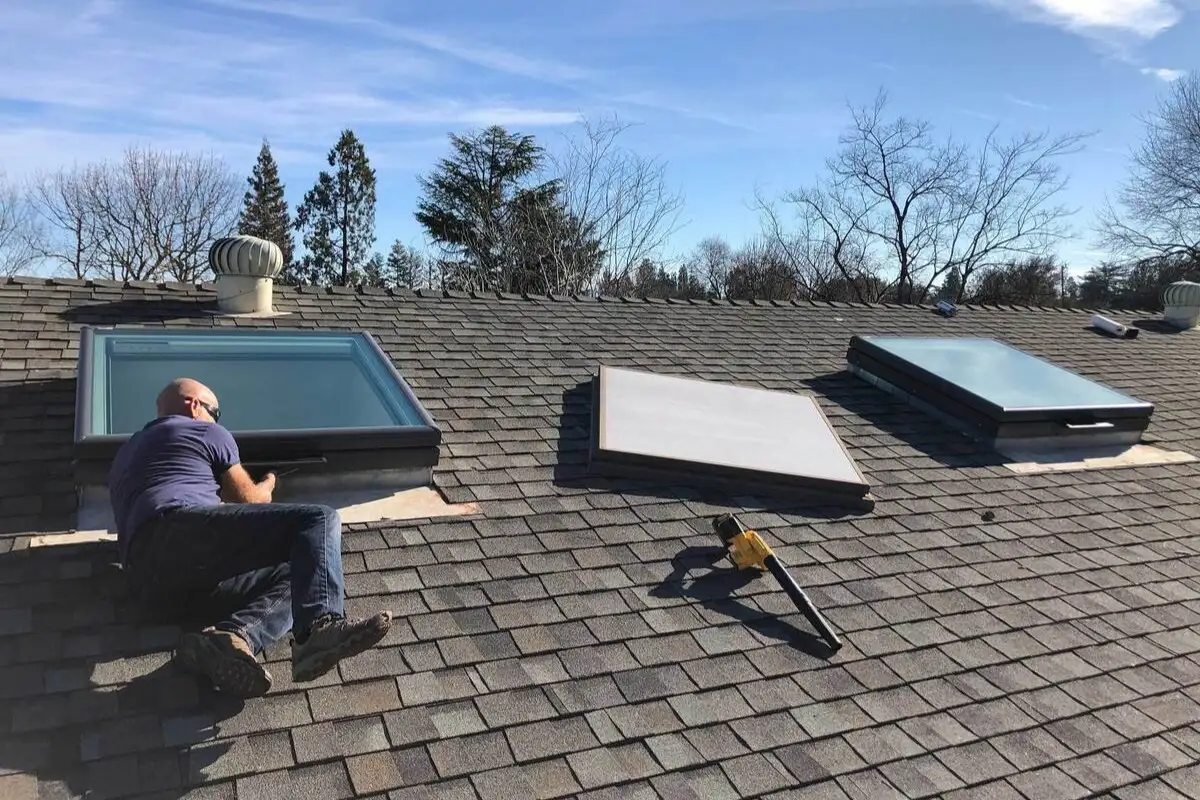

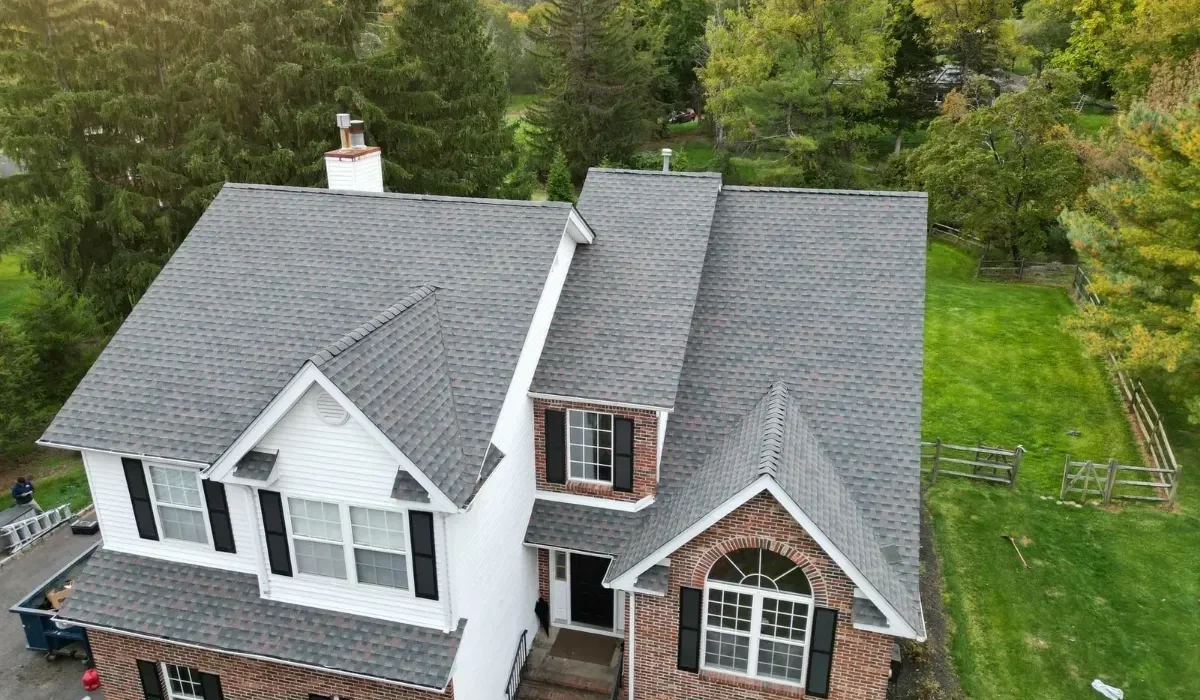
Quick Answer: Yes, roof shingle colors affect energy bills in Massachusetts, but only slightly. Dark shingles absorb more heat, and light shingles reflect more sunlight. In well-insulated homes, the difference is usually small. Insulation and ventilation matter more than color.
Choosing a roof color feels cosmetic, but many Massachusetts homeowners planning a roof replacement ask if color changes their energy bill. This guide answers that question with facts, not marketing claims. We cover the science, the real numbers, and what matters most for your home.
How Roof Shingle Color Affects Your Massachusetts Energy Bill
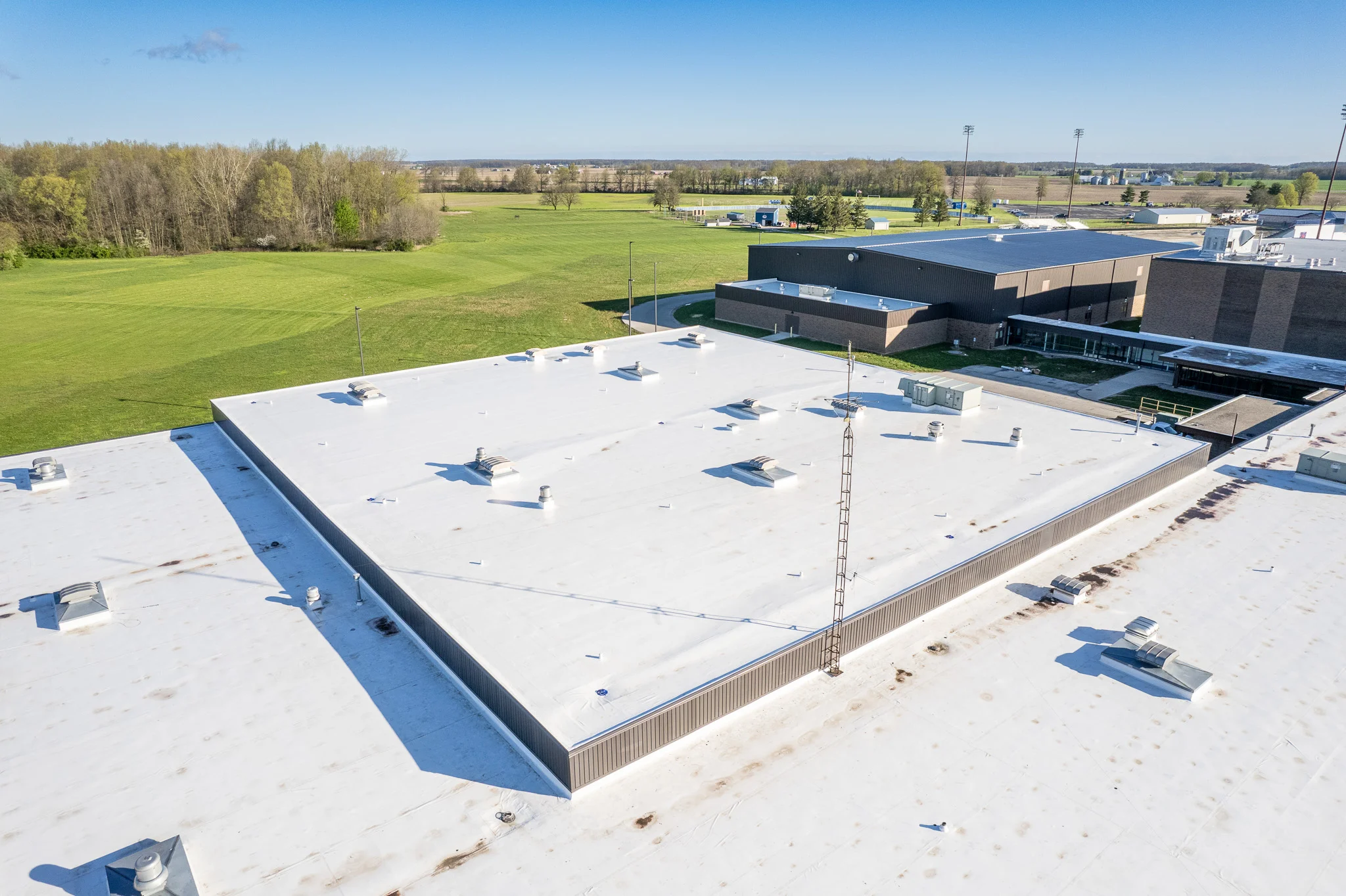
Roof shingle color changes how much solar heat your roof absorbs. Dark shingles absorb up to 90% of sunlight. Light shingles reflect 25% to 35% of it back.
That difference affects roof surface temperature the most. It has a smaller effect on indoor comfort and your monthly energy bill.
Solar Reflectance and Thermal Emittance, Explained Simply
Two properties control how a shingle handles heat. Understanding them explains why color alone rarely drives big energy savings.
- Solar reflectance: how much sunlight a shingle bounces away instead of absorbing
- Thermal emittance: how efficiently a shingle releases absorbed heat back into the air
- Solar Reflectance Index (SRI): a combined score rating how “cool” a roofing product performs
What Happens to Heat After It Hits Your Roof
Heat does not travel straight from your shingles into your living room. It moves through several layers first.
- Shingles absorb or reflect solar heat at the surface
- Heat transfers through the roof deck into the attic
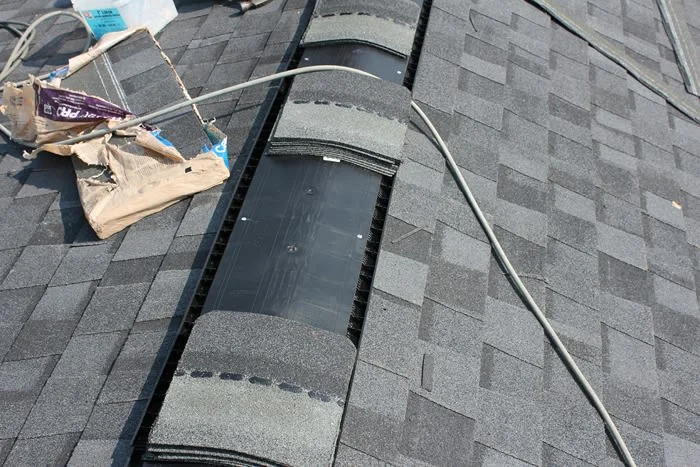
- Balanced ridge and soffit ventilation removes much of that heat from the attic
- Insulation blocks most of the remaining heat from your ceiling
This is why a well-insulated Massachusetts attic can stay comfortable even under a dark, hot roof.
Does Roof Color Affect Attic Temperature?
Yes, roof color affects attic temperature more than it affects your energy bill. Dark roofs can push attic temperatures 10 to 25 degrees higher on sunny days.
Indoor temperature depends far more on insulation and ventilation. Properly installed roofing accessories like flashing and vents keep a hot attic from becoming a hot house.
Dark vs Light Shingles: Energy Efficiency in New England
Massachusetts winters last longer than its summers. That changes how dark vs light shingle energy efficiency plays out compared to warmer states.
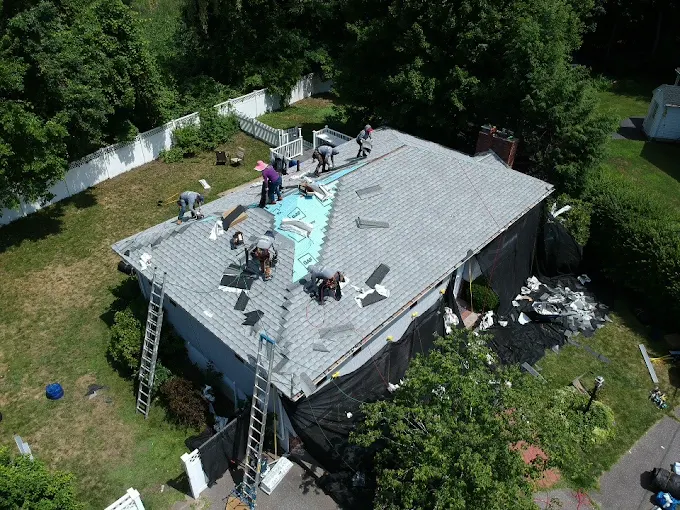
Dark Shingles: Strengths and Tradeoffs
- Absorb more heat, which can slightly assist winter snowmelt
- Remain the most popular choice across Central Massachusetts
- Hide staining and debris better over time
- Performance varies by brand; see our comparison of GAF, Owens Corning, and CertainTeed shingles
Light Shingles: Strengths and Tradeoffs
- Reflect more solar energy, keeping roof surfaces cooler
- Can modestly lower peak attic temperatures in summer
- Offer little winter heating benefit in cold New England months
- Available in durable options such as Class 4 impact-resistant shingles, which may also qualify for an insurance discount
Do Light Shingles Keep Your House Cooler?
Light shingles can run 30 to 50 degrees cooler than dark shingles in direct sun. That noticeably reduces roof surface heat.
Whether your house feels cooler depends on your attic. Homes with strong insulation and ventilation see only a modest indoor difference.
Best Roof Color for New England Climate
New England has hot summers and cold, snowy winters. Because heating costs typically exceed cooling costs here, talk with a qualified roofing contractor before choosing color for energy reasons alone.
- Architectural style: color affects curb appeal and resale value more reliably than your bill
- Attic condition: strong insulation and ventilation reduce how much color matters indoors
- Sun exposure: south-facing, unshaded roofs see a bigger practical difference
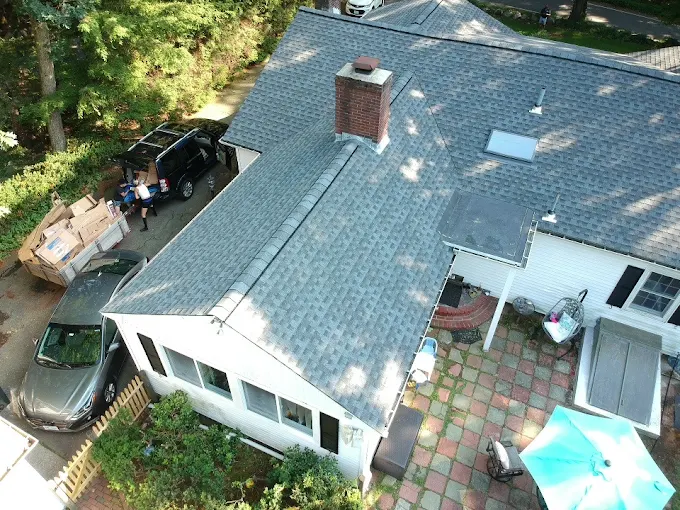
Mid-to-dark tones such as Weathered Wood, Driftwood, and Pewter Gray remain popular across the towns we serve in Central Massachusetts, including Leominster, Fitchburg, and Gardner.
Cost & Factors That Actually Drive Your Energy Bill
Massachusetts homeowners spend roughly $2,500 per year on home energy, on average. Space heating makes up the largest share of that cost.
- Attic insulation: Massachusetts code calls for roughly R-49 in most homes
- Balanced ventilation: matched soffit intake and ridge exhaust prevent attic overheating
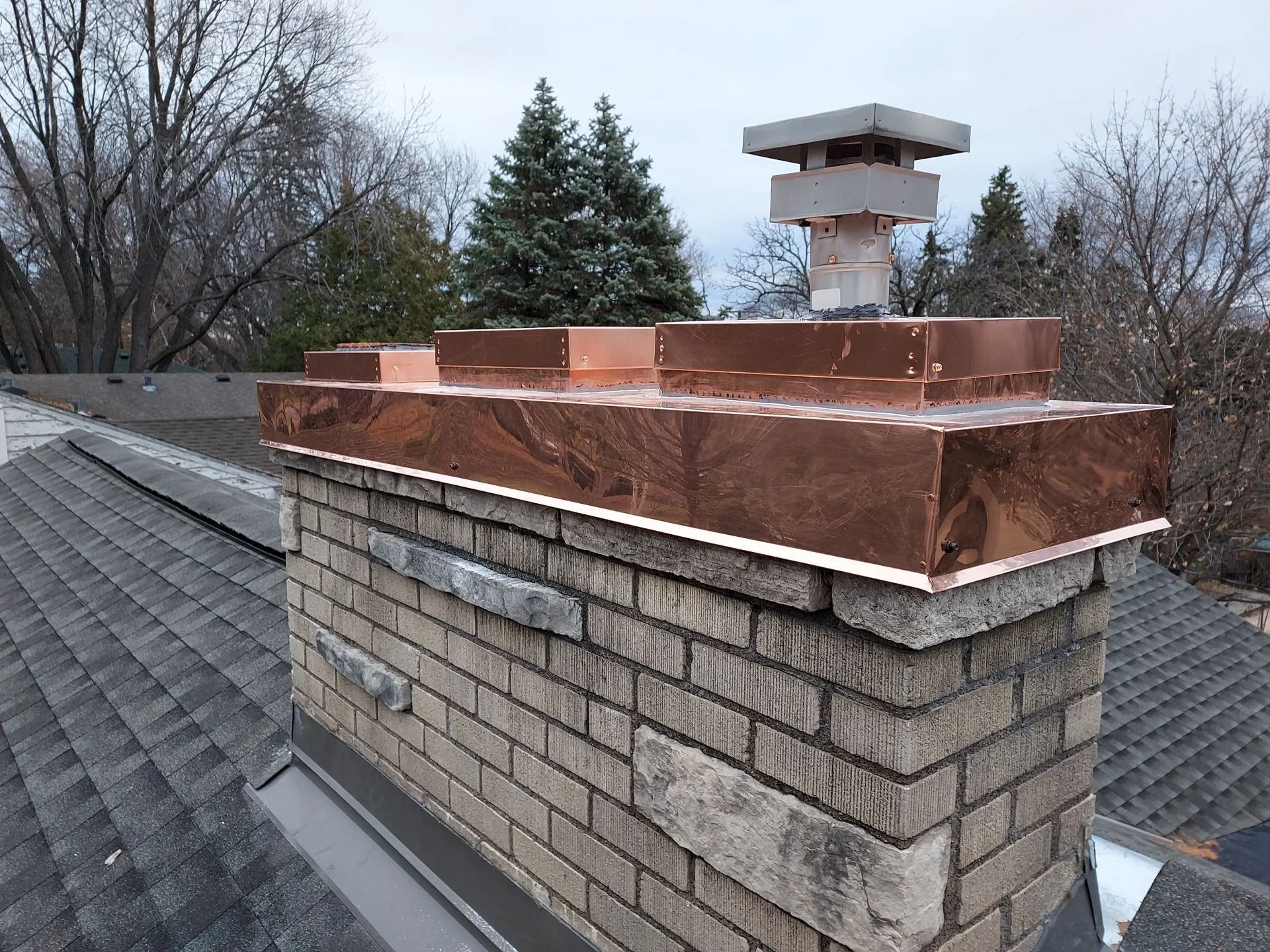
- Roofing details: components like drip edge protect the roof deck and support long-term performance
- Shingle color: a smaller factor, mainly noticeable during peak summer weeks
Comprehensive upgrades to insulation and ventilation can reduce total energy bills by 20% to 30%. If your current roof already shows wear, deciding between roof repair vs. roof replacement affects your options for a color change too.
Roof Color, Ice Dams, and Long-Term Durability
Dark shingles absorb slightly more heat, which can speed up surface snowmelt. Ice dams are still caused mainly by heat escaping from inside the home; learn the warning signs of ice dam damage to catch problems early.
- Add proper attic insulation to reduce heat loss
- Air seal penetrations like recessed lights and bath fans
- Balance ventilation to keep the roof deck cool
- Install ice-and-water shield at eaves and valleys
Lighter shingles also experience less thermal expansion. Following a winter roof maintenance checklist helps any shingle color hold up through New England freeze-thaw cycles.

Why Choose Brian M. LeBlanc Roofing
Brian M. LeBlanc Roofing is a licensed, insured, GAF-certified roofing company based in Leominster, MA. We serve homeowners and businesses throughout Central Massachusetts and Southern New Hampshire, including Leominster, Fitchburg, Gardner, Lunenburg, Worcester, Marlborough, and surrounding communities.
Here is what separates us from general contractors and national chains:
- Comprehensive roof inspections: Every roofing project begins with a detailed inspection to identify leaks, storm damage, ventilation issues, flashing failures, and other roofing concerns before work begins.
- Dedicated project manager: Every customer is assigned a dedicated project manager who oversees the project from inspection through final walkthrough, providing clear communication and personalized recommendations.GAF-certified roofing expertise: Our team is trained and certified by GAF and follows manufacturer installation standards to build roofing systems designed for long-term performance in New England weather.
- Licensed and insured: We are fully licensed and insured, giving homeowners confidence that every roofing project meets professional and safety standards.
- Industry-leading warranty protection: We install complete GAF roofing systems backed by up to a 50-year limited manufacturer’s warranty and a 10-Year Superior Craftsmanship Guarantee on labor.
- Experienced roofing professionals: Brian M. LeBlanc Roofing has more than 20 years of construction experience, supported by a highly trained team committed to quality workmanship and customer satisfaction.
- Transparent roofing process: From the initial consultation to the final quality inspection, we keep homeowners informed with detailed proposals, project updates, and quality assurance at every step.
Conclusion
Roof shingle colors affect energy bills in Massachusetts, but the effect is smaller than most homeowners expect. Insulation, ventilation, and air sealing drive most of your annual energy costs. Choose a shingle color that fits your home’s style and your attic’s condition. If you are also planning solar panel installation, roof color and shingle condition affect that timeline too.
For more details, connect with us on Facebook, Instagram, YouTube, and Google Business Profile.
Contact us today to schedule your inspection or get a free quote.
Here’s the FAQ section formatted in the same style:
Frequently Asked Questions
1. Do roof shingle colors affect energy bills in Massachusetts?
Yes, but only slightly. Dark shingles absorb more heat, while light shingles reflect more sunlight. In insulated homes, the impact on energy bills is usually small.
2. Does roof color affect attic temperature?
Yes. Dark roofs can raise attic temperatures by 10 to 25 degrees on sunny days. Insulation still controls how much heat reaches your living space.
3. Do light shingles keep your house cooler?
Light shingles keep the roof surface cooler, often by 30 to 50 degrees. Indoor cooling depends on your attic's insulation and ventilation.
4. What is the best roof color for New England climate?
Mid-to-dark tones like Weathered Wood or Pewter Gray balance curb appeal and performance. Choose based on your home's style, sun exposure, and attic condition.
5. Are dark shingles bad for energy bills in Massachusetts?
Not necessarily. Dark shingles can increase summer cooling costs but may aid winter snowmelt. Overall, the impact on energy bills is usually modest in well-insulated homes.