
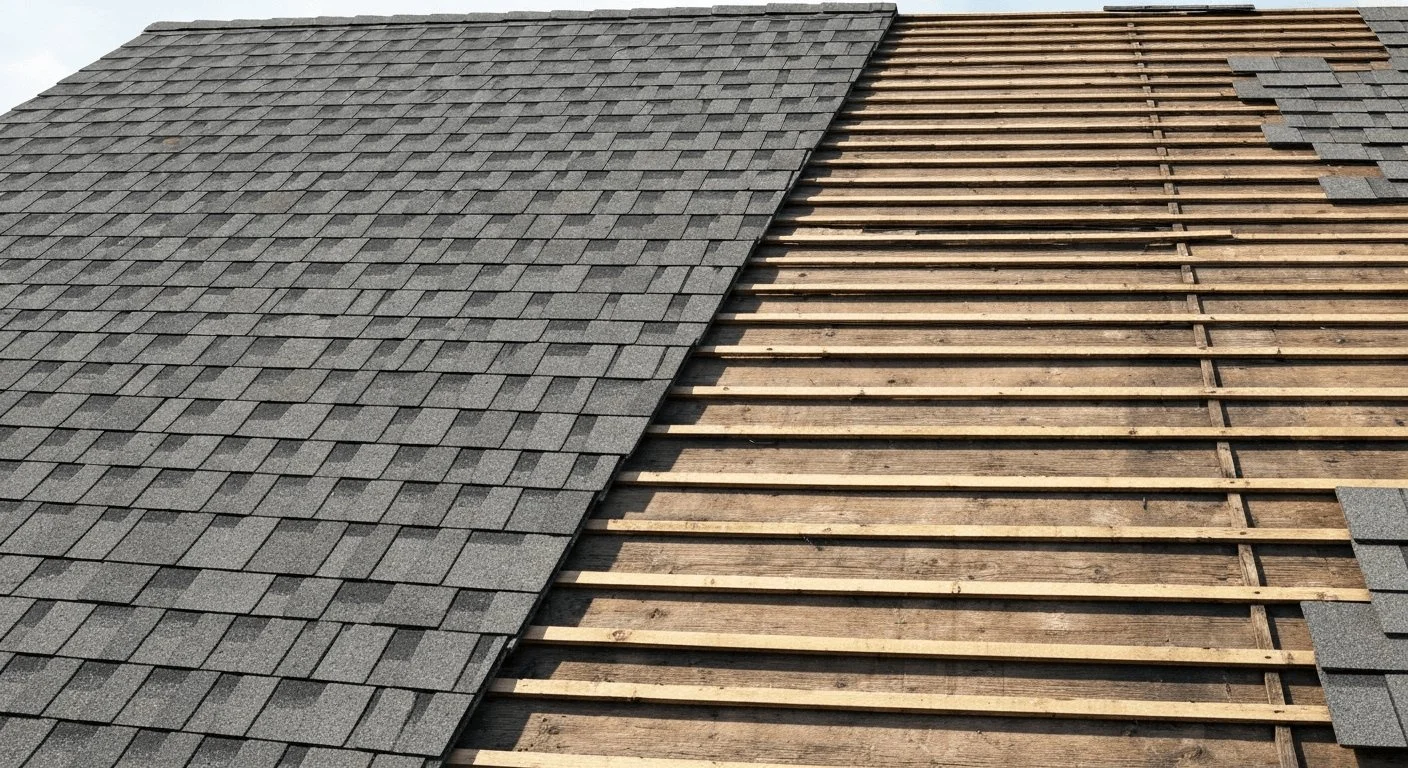
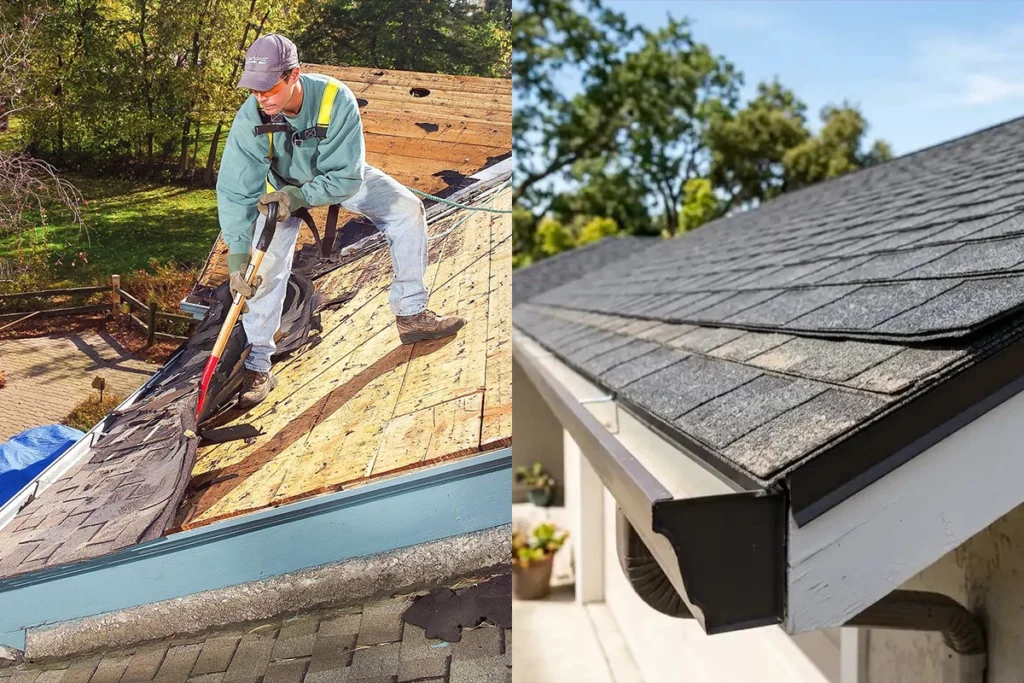
A roof tear-off removes all old shingles down to the deck. A roof-over installs new shingles on top of the old ones. Massachusetts allows two layers maximum. For most Central Massachusetts homes, a tear-off is the better choice.
You asked three roofers for quotes. Two said the old shingles must come off. The third offered to nail new shingles right over them. That third option is a roof-over, or overlay. Massachusetts allows it in some cases. This guide breaks down roof tear-off vs. roof-over using the rules that apply in Leominster and Central Massachusetts.
What You Will Learn
- What roof tear-off vs. roof-over actually means, step by step
- How many layers of shingles are allowed in Massachusetts
- Whether you can put new shingles over old shingles on your home
- Roof overlay vs. tear-off cost ranges for 2026
- Whether a roof overlay affects resale value
- A five-minute check to count your existing layers
What Each Option Actually Involves
The Roof-Over (Overlay)
The existing shingles stay in place. New shingles go directly on top of them. There is no tear-off, no dumpster, and no disposal fee. Many overlays finish in one day.
Here is what an overlay does not include. The wood deck is never seen. The old underlayment stays. The old flashing usually stays too. You are replacing the surface of the roof, not the roof system.
The Full Tear-Off
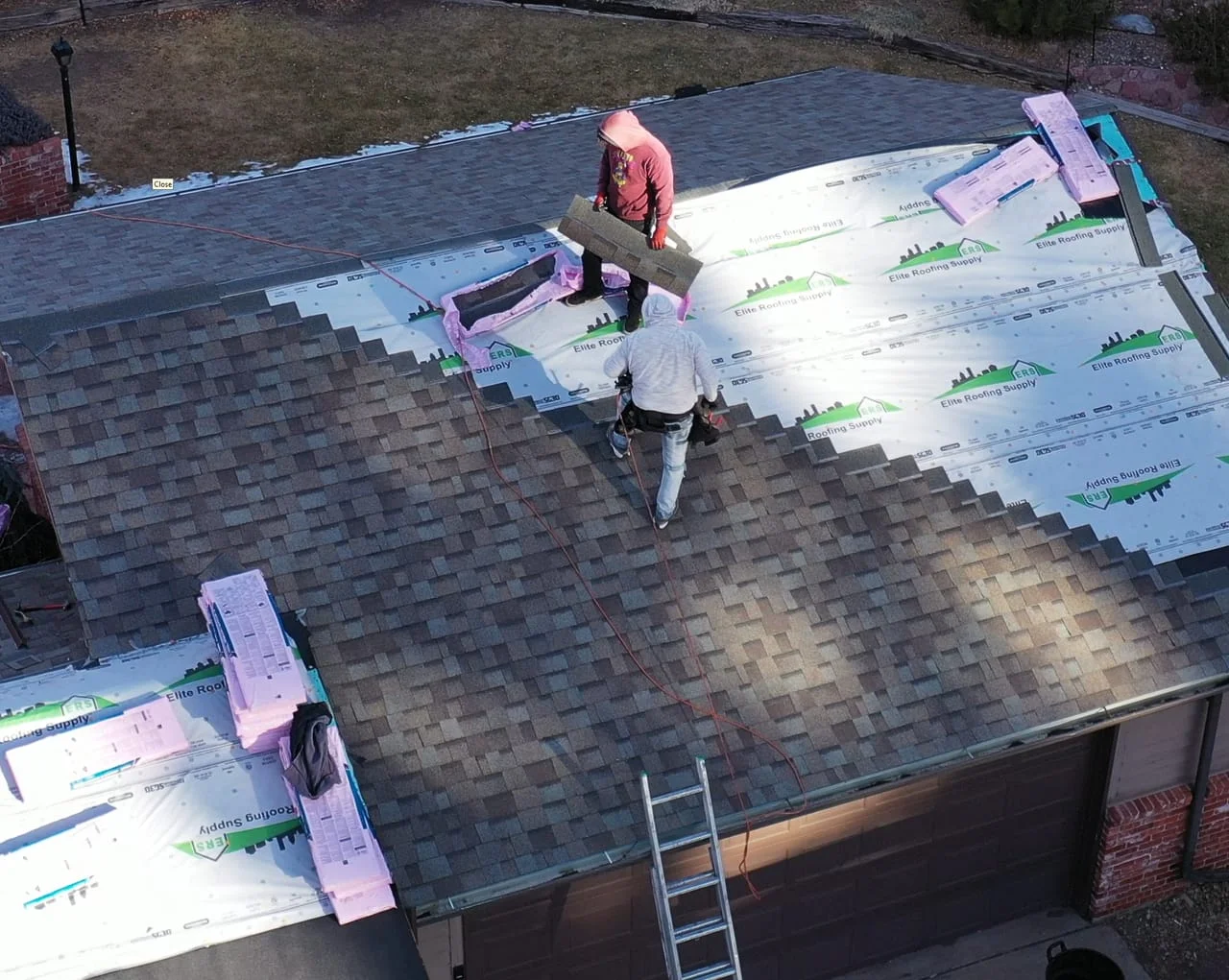
Everything comes off down to the bare wood deck. Old shingles, underlayment, and flashing are removed and hauled away.
Only then can anyone see the real condition of your roof. The work that follows includes:
- Replacing soft or rotted plywood sheathing
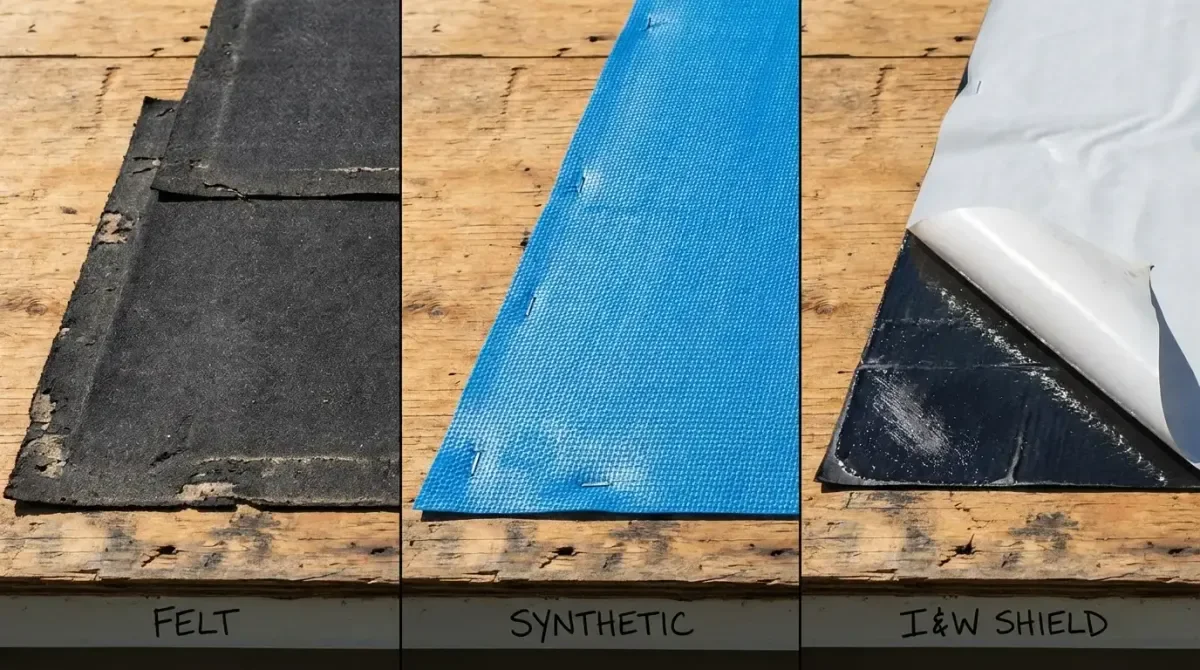
- Installing new ice barrier along the eaves
- Installing new underlayment across the deck
- Replacing flashing at chimneys, valleys, and pipe boots
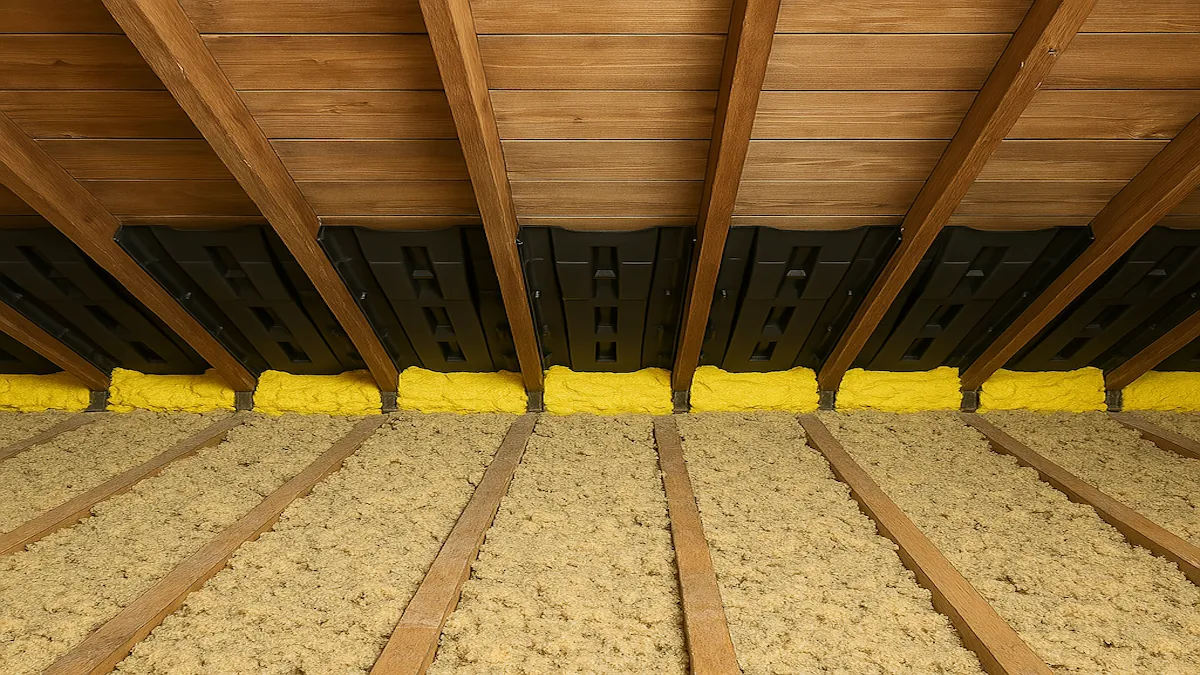
- Correcting attic ventilation while the deck is open
- Installing the new shingle system to manufacturer specification
A full roof replacement costs more and takes longer. You are buying a clean start.
Massachusetts Rules That Change the Answer
National roofing articles give general advice. Massachusetts has specific requirements.
How Many Layers of Shingles Are Allowed in Massachusetts?
The Massachusetts State Building Code (780 CMR) allows a maximum of two layers of roofing. If your roof already has two layers, a full tear-off is required by law. There is no third layer and no exception for small roofs. The limit exists for a structural reason. Your rafters were engineered for one roof plus winter weather.
If your shingles are still in decent shape, the real question may be repair instead of a full replacement.
Can You Put New Shingles Over Old Shingles?
Sometimes. Every condition below must be true first:
- Your roof has only one existing layer of shingles
- The current shingles lie flat, with no curling or buckling
- The deck is confirmed sound, with no soft spots or leak history
- Attic ventilation is already adequate
- Your local building department approves it
A curled shingle telegraphs its shape through the new layer. The result is a wavy roof that never seals flat. One more point surprises many homeowners. Roof replacement in Massachusetts requires a building permit, and that includes an overlay.
The Ice Barrier Problem
This is the strongest argument against overlays in Central Massachusetts.
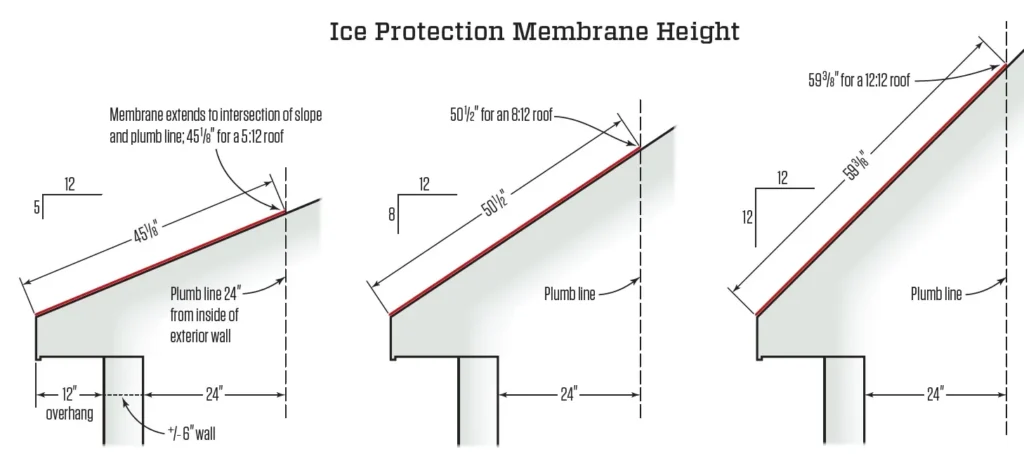
Massachusetts code requires an ice barrier along the eaves. It must run from the lowest roof edge to at least 24 inches inside the exterior wall line. On most local homes, that is roughly three to six feet up from the gutter.
That membrane is your defense against ice dams. If you already know the ice dam warning signs, this section matters even more.
An ice barrier must bond directly to clean wood decking. It cannot be installed over old shingles and work as designed.
If your home has ever had an ice dam, an overlay leaves that weak spot exactly as it was.
Roof Tear-Off vs. Roof-Over: Five Trade-Offs That Decide It
National roofing articles give general advice. Massachusetts has specific requirements.
1. Lifespan
Shingles installed over an existing layer typically last 12 to 18 years. The same shingles on clean decking typically last 22 to 30 years. Heat is the reason. Two layers of asphalt hold more heat, with no airflow between them.
2. Hidden Deck Damage
An overlay covers whatever is underneath. Rotted plywood, a slow leak, or failed chimney flashing all stay sealed in. This is also why overlay quotes look low. Nobody has looked.
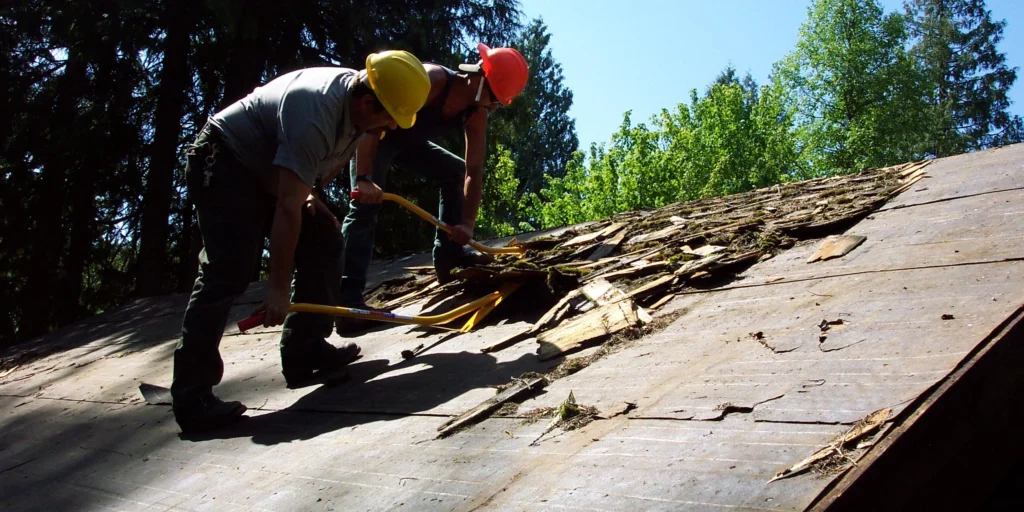
On a tear-off, deck replacement should appear as a clear line item, usually around $70 to $150 per sheet of plywood.
3. Weight and Snow Load
One square of asphalt shingles covers 100 square feet and weighs roughly 230 to 280 pounds. On a typical 20-square roof, a second layer adds close to two and a half tons of permanent load.
Then Central Massachusetts adds snow. Worcester County carries some of the higher ground snow loads in the state, which is why how much snow a roof can hold and timely roof snow removal matter here.
4. Nail Length and Wind Resistance
Roofing nails must penetrate through the deck, or at least three-quarters of an inch into it. Standard shingle nails are about 1.25 inches long. A second shingle layer consumes much of that length before the nail reaches wood.
An overlay requires longer fasteners, usually 1.75 to 2 inches. Get it wrong, and the shingles hang on the old roof instead of the structure.
5. Flashing, Valleys, and Drip Edge
Most leaks start at transitions, not in the open shingle field. Chimneys, valleys, pipe boots, and what drip edge does at the eave all matter more than the field shingles.
An overlay generally reuses existing flashing. That puts 20-year-old metal under a brand-new roof, when new roofing accessories would have cost very little during a tear-off.
Roof Overlay vs Tear Off Cost in 2026
Every roof is priced on its own measurements, pitch, and condition. Treat these as planning ranges, not quotes.
Central Massachusetts Price Ranges
A standard architectural asphalt shingle system runs roughly $6.00 to $9.50 per square foot of roof surface, installed. For many Leominster-area homes, a full tear-off and replacement lands between about $9,000 and $16,000.
An overlay generally saves 15% to 25%. The savings come from tear-off labor, dumpster rental ($400 to $800), and disposal fees. Permit costs, typically $250 to $500 in Massachusetts, apply either way.
Side-by-Side Comparison
Comparison Point | Roof-Over (Overlay) | Full Tear-Off |
Installed cost | 15% to 25% less | Full price |
Realistic lifespan | 12 to 18 years | 22 to 30 years |
Cost per year of protection | Higher | Lower |
Roof deck inspected | No | Yes |
New ice barrier at eaves | Not possible correctly | Yes |
New flashing and drip edge | Usually reused | Replaced |
Strongest GAF warranty tier | Often limited | Available |
Repeatable in Massachusetts | No | Yes |
Time on site | About 1 day | 1 to 3 days |
The Math That Matters Most
Homeowners compare the bottom line of two quotes. The better comparison is cost per year of protection.
- Overlay: $10,000 over 14 years is about $714 per year
- Tear-off: $13,000 over 27 years is about $481 per year
The overlay saves $3,000 today. It then costs roughly $230 more every year you own the home. It also spends your one remaining option. Because Massachusetts caps you at two layers, the next roof must be a tear-off.
What Changes Your Price
- Roof size and pitch, since steeper roofs need more staging
- Complexity, including dormers, valleys, skylights, and chimneys
- Deck condition, priced per sheet when rot is found
- Shingle line, since GAF, Owens Corning, and CertainTeed price differently, and Class 4 impact-resistant shingles cost more upfront
- Ventilation work, such as adding ridge vent or correcting soffit intake
- Season, since peak summer and late fall schedules can price differently
Does a Roof Overlay Affect Resale Value?
Yes, and this is the part that surprises sellers most. Home inspectors check the layer count. It is a routine item, and it goes in the report. When a buyer reads that the roof has two layers, three things usually follow:
- The buyer assumes shorter remaining roof life, even on new shingles
- The buyer knows the next roof must be a full tear-off, and asks for a credit
- Some appraisers and insurance carriers ask additional questions
A new roof is one of the strongest selling points a home has. An overlay gives you the appearance without the full credit. If you plan to sell within five to seven years, that usually settles it. Before you commit, it is worth reviewing how to choose a roofing contractor who will document the work properly.
When a Roof-Over Still Makes Sense
The roof tear-off vs. roof-over decision is not automatic. Some homes are genuinely good candidates for an overlay:
- The roof has exactly one layer, and it lies completely flat
- There is no leak history and no sign of soft decking
- The roofline is simple, with few valleys and penetrations
- Attic ventilation is already correct
- You are working against a firm budget ceiling
- You do not expect to own the home for another 25 years
If most of those fit, an overlay is defensible. If two or more do not, the savings are borrowed from your future.
How to Count Your Roof Layers in Five Minutes
You can get a good idea from the ground. No ladder required.
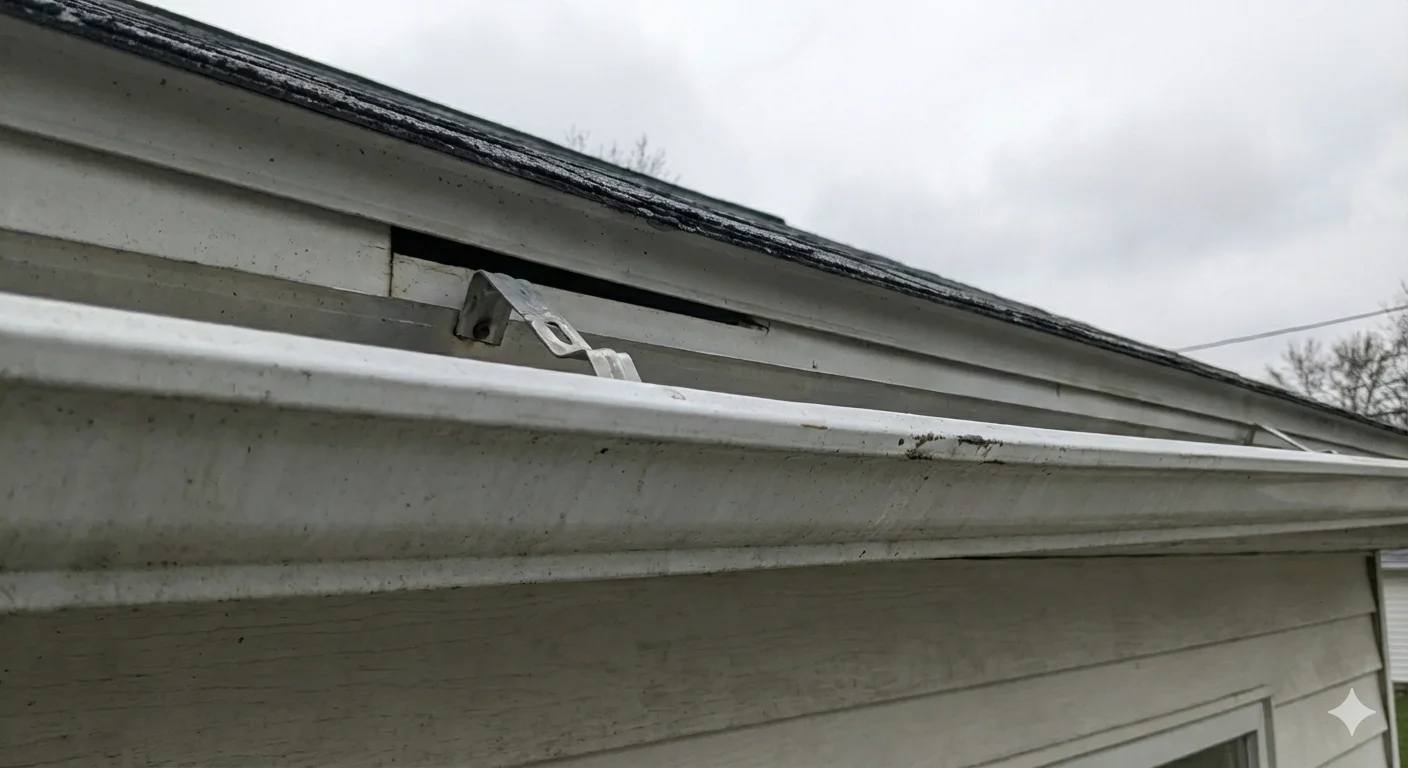
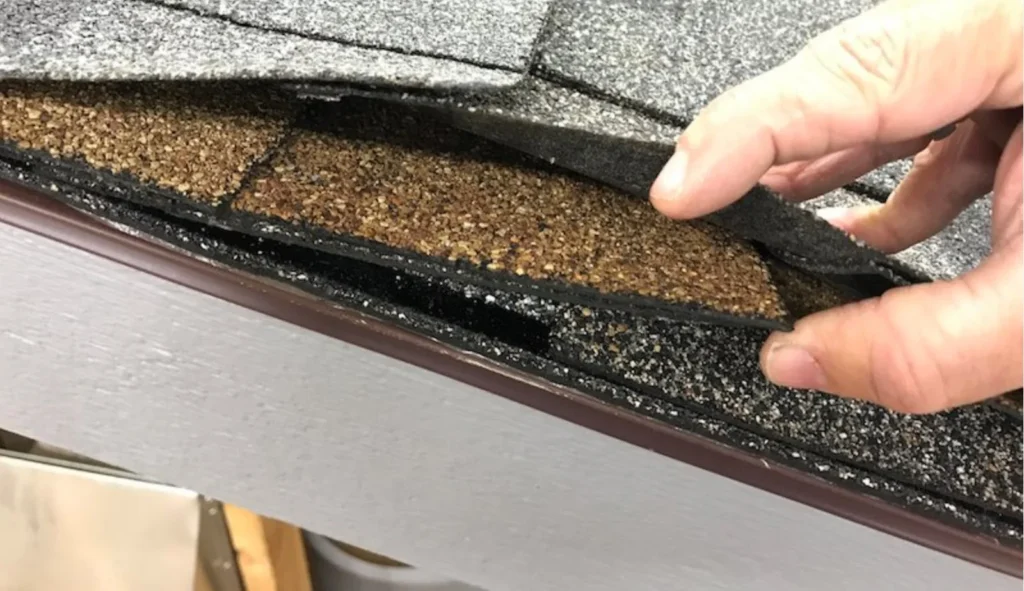
- Look at the roof edge above the gutter. A single layer looks thin and clean. A double layer looks thicker and slightly rounded.
- Check the rake edge, the sloped side edge of the roof. Two stacked bands of shingle edge are the clearest sign.
- Look where shingles meet the chimney or a wall. Built-up flashing often means a layer was added around it.
- Check the attic in daylight. Two different nail patterns in the deck boards is a strong hint.
- Review old permits or closing paperwork. A previous re-roof permit lists the scope of work.
A roofer can confirm it in minutes by lifting one shingle at the eave. That should never cost you anything.
Why Choose Brian M. LeBlanc Roofing
Brian M. LeBlanc Roofing is a licensed, insured, GAF-certified roofing company based in Leominster, MA. We serve homeowners and businesses throughout Central Massachusetts and Southern New Hampshire, including Leominster, Fitchburg, Gardner, Lunenburg, Worcester, Marlborough, and surrounding communities.
Here is what separates us from general contractors and national chains:
- Comprehensive roof inspections: Every roofing project begins with a detailed inspection to identify leaks, storm damage, ventilation issues, flashing failures, and other roofing concerns before work begins.
- Dedicated project manager: Every customer is assigned a dedicated project manager who oversees the project from inspection through final walkthrough, providing clear communication and personalized recommendations.GAF-certified roofing expertise: Our team is trained and certified by GAF and follows manufacturer installation standards to build roofing systems designed for long-term performance in New England weather.
- Licensed and insured: We are fully licensed and insured, giving homeowners confidence that every roofing project meets professional and safety standards.
- Industry-leading warranty protection: We install complete GAF roofing systems backed by up to a 50-year limited manufacturer’s warranty and a 10-Year Superior Craftsmanship Guarantee on labor.
- Experienced roofing professionals: Brian M. LeBlanc Roofing has more than 20 years of construction experience, supported by a highly trained team committed to quality workmanship and customer satisfaction.
- Transparent roofing process: From the initial consultation to the final quality inspection, we keep homeowners informed with detailed proposals, project updates, and quality assurance at every step.
Conclusion
A roof-over is faster and cheaper today. A tear-off is the only option that reveals your deck, installs a proper ice barrier, and replaces aging flashing.
For most Central Massachusetts homes, ice dam risk and snow load point toward a tear-off. Not every home, though. Yours may genuinely suit an overlay. The only way to know is for someone to count the layers and inspect the eaves.
For more details, connect with us on Facebook, Instagram, YouTube, and Google Business Profile.
Contact us today to schedule your inspection or get a free quote.
Frequently Asked Questions
1. What is the difference between a roof tear-off and a roof-over?
A tear-off removes all old roofing down to the wood deck before new shingles are installed. A roof-over installs new shingles directly on top of the existing layer.
2. How many layers of shingles are allowed in Massachusetts?
The Massachusetts State Building Code (780 CMR) allows a maximum of two layers of roofing. If your roof already has two layers, a full tear-off is required.
3. Can you put new shingles over old shingles?
Sometimes. The roof must have only one existing layer, flat shingles, a sound deck, and adequate ventilation. Approval from your local building department may also be required.
4. How much does a roof overlay cost compared to a tear-off?
A roof overlay typically costs 15% to 25% less than a full tear-off. The savings generally come from avoiding tear-off labor, dumpster rental, and disposal fees.
5. Does a roof overlay affect resale value?
Yes. Home inspectors typically document the number of roofing layers, and buyers may request a credit because the next roof replacement will require a full tear-off.